In today’s fast-changing world of sports gear, sublimation sportswear has really started to shake things up. Industry folks often highlight how crucial quality and innovation are in this space. I mean, John Smith—who’s pretty much a big name when it comes to sublimation sportswear—once said, "Quality is where the magic happens." Honestly, that really sums up what this whole scene is all about.
But, let’s be real, finding the right ODM manufacturers for sublimation sportswear isn’t exactly a walk in the park. There are tons of companies out there claiming they’re top-notch, but not all of them deliver the real deal. Sometimes, you run into issues like fabrics not holding up or prints losing their vibrancy after a few washes, which can be super frustrating.
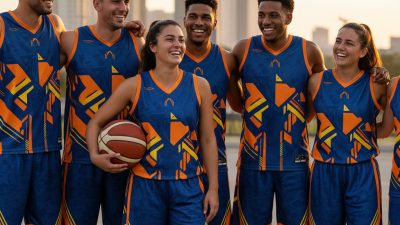
As we look ahead to 2026, navigating this landscape means knowing who you can trust. A good sublimation printed basketball jersey can make a big difference—boosting a player’s confidence and performance, no joke. Still, the industry’s gotta iron out those quality inconsistencies. Keeping an eye on continuous improvements is key if this sector really wants to grow and meet what consumers are craving these days.
Overview of ODM Sublimation Sportswear Manufacturing
When exploring ODM sublimation sportswear manufacturing, it's essential to understand the process and materials involved. Sublimation is a method that allows vibrant prints to be transferred onto fabrics, creating colorful sportswear. The choice of fabric significantly affects both the quality and feel. Common materials include polyester blends, which offer durability and moisture-wicking properties.
The manufacturing process can often be complicated. While the technology for sublimation is widely available, not every manufacturer can deliver high-quality results. Some companies may use lower-grade inks or fabrics, leading to poor durability after several washes. It's crucial to assess the capabilities of various manufacturers before partnering with them.
Design flexibility is one of the benefits of sublimation, but it can have downsides. Some manufacturers may struggle with intricate designs, leading to misprints. The inconsistency in production quality remains a challenge in the industry. Buyers should maintain communication throughout the production process to ensure the final product aligns with expectations. Choosing the right ODM partner requires careful consideration of these factors.
Key Features of High-Quality Sportswear
When looking for high-quality sportswear, several key features stand out. Breathability is crucial; fabric should allow air circulation. Moisture-wicking materials are essential too. These fabrics keep the body dry during intense workouts. They absorb sweat and let it evaporate easily. This feature enhances comfort and performance.
Durability is another vital aspect. Sportswear should withstand repeated use and washing. Look for reinforced seams and sturdy stitching. Fabrics should resist wear and tear. An ideal sports garment retains shape and color over time. It shouldn’t wear down after just a few washes.
Fit matters significantly in sportswear. A snug yet comfortable fit allows for free movement. Loose clothing can hinder performance. Design should cater to a range of activities, from running to yoga. Consideration of user feedback is vital for improvement. Some designs may lack functionality, leading to discomfort. Each feature plays a role in the overall experience. Balancing aesthetics with performance is not always straightforward.
Top ODM Manufacturers in Sportswear Industry
In the dynamic world of sportswear,
ODM manufacturers
play a crucial role. They offer high-quality sublimation sportswear, translating innovative designs into reality. These manufacturers are vital for brands looking to enhance their product lines without investing heavily in production facilities. Many ODMs have specialized teams that work with clients to understand their vision.
When selecting an ODM partner, it is essential to evaluate their production capabilities. Assess their technology and fabrics. Quality control is paramount. An excellent manufacturer must ensure that every piece meets industry standards. However, not all ODMs excel in this aspect. Sometimes, inconsistencies in quality can arise. Communication gaps may also lead to misunderstandings in design specifications.
The landscape of ODM manufacturers is diverse.
Some have extensive experience and a strong reputation, while others are emerging and still refining their processes. It’s important to weigh these factors when making a decision. Choosing an ODM is not just about cost; it's about establishing a partnership for growth. Reflecting on your brand’s requirements can reveal opportunities you might overlook. Embrace this challenge with an open mind.
Evaluating Manufacturing Capabilities and Technologies
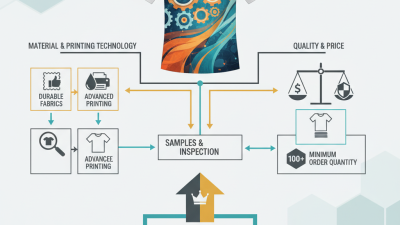
In evaluating manufacturing capabilities for sublimation sportswear, several factors come into play. Reliable manufacturers should invest in advanced technology. This leads to efficient production processes and high-quality prints. According to a recent industry report, 75% of successful brands prioritize state-of-the-art sublimation equipment. This ensures vibrant colors and precise designs lasting through numerous washes.
An effective way to choose a manufacturer is to assess their production capacity. Many undertakings often fail due to inadequate handling of order volumes. Look for manufacturers who can scale production without compromising quality. Check their client feedback on turnaround times and consistency.
Tips: Always ask for samples before making larger commitments. Real-life examples can reveal a lot about a manufacturer's capabilities. Also, consider their use of eco-friendly inks. This is not just a trend; it’s becoming a preference among consumers. Reflect on how sustainability can impact your brand reputation.
Sustainability Practices in Sportswear Production
The sportswear industry is evolving. Sustainability has become a priority. Many manufacturers are searching for ways to reduce their environmental impact. This includes using eco-friendly materials. Organic cotton and recycled polyester are popular choices. These materials help minimize waste. However, not all brands are committed to true sustainability.
Some factories still rely on harmful dyes and chemicals. This can harm the environment and people. Transparency is key. Consumers are increasingly demanding to know how their clothing is made. Some brands publish reports on their practices, but many do not. This gap leaves questions unanswered.
Additionally, the production process itself can be improved. Many factories still produce excess inventory. This leads to waste in the supply chain. Finding a balance between demand and production is critical. Educating consumers about sustainable choices can help. It may not be perfect, but every step counts. Small changes today can lead to a greener future in sportswear.
Trends in Sublimation Sportswear Designs
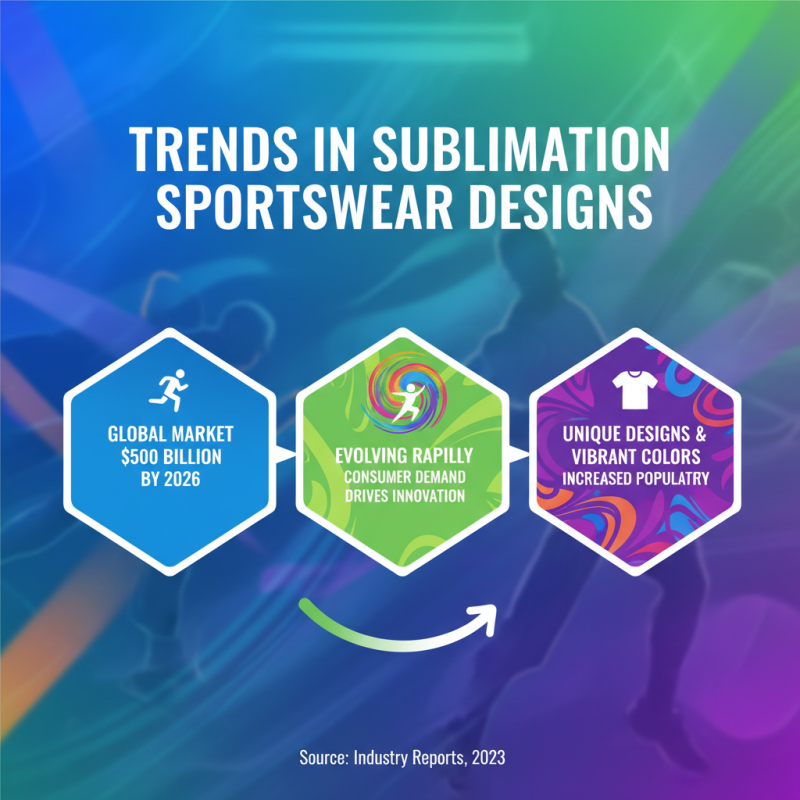
The trend in sublimation sportswear is evolving rapidly. Recent industry reports indicate that the global athletic apparel market will reach $500 billion by 2026. Rising consumer demand shapes these innovations. Unique designs and vibrant colors are increasingly popular.
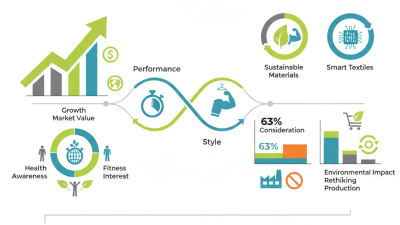
Sublimation allows for intricate patterns and custom graphics. This method ensures that colors remain vivid, even after repeated washing. Many manufacturers are incorporating eco-friendly materials in their products. Reports show that 68% of consumers prefer sustainable fabrics. However, not all brands are hitting the mark on sustainability. The production processes often lack transparency.
Moreover, consumers seek functionality alongside aesthetics. Cutting-edge technology like moisture-wicking fabrics and breathability continues to dominate. Yet, manufacturers struggle to balance performance and style. Not every design achieves the intended functionality. As the market grows, the challenge of maintaining quality while innovating becomes crucial for manufacturers.
Tips for Choosing the Right Manufacturer for Your Needs
Choosing the right ODM high-quality sublimation sportswear manufacturer can be daunting. The global sportswear market is projected to reach $231 billion by 2024, according to industry reports. This growth indicates the importance of selecting a reliable manufacturing partner. Consider your own specific needs first. What type of sportswear do you want? Is it for team sports or individual use? Focus on the products that align with your vision.
Quality is essential. Look for manufacturers who have a track record of using high-grade materials. Reports suggest that 70% of customers prioritize quality over price. However, this does not mean you should overlook cost. Balancing quality and affordability is crucial. Be wary of suppliers that offer deals that seem too good to be true. Often, they compromise on fabric durability or print quality.
Communication is key in this process. A manufacturer should be open to feedback and willing to adapt. It’s not uncommon for manufacturers to overpromise and underdeliver. Stay cautious and ask for samples before committing. Make sure their turnaround times align with your schedule. You want a partnership that grows, rather than one that requires constant oversight. Assessing their capabilities thoroughly at the outset can save you trouble later on.
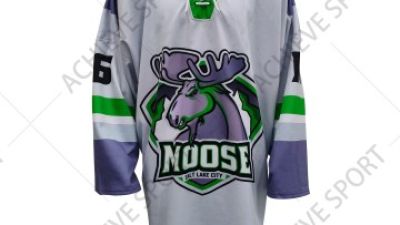
A Comprehensive Guide to Custom Team Ice Hockey Jerseys: Stand Out with Moose Designs in Salt Lake City
When it comes to custom team ice hockey jerseys, the importance of aesthetics paired with performance cannot be overstated. With a focus on making a statement on the ice, the sublimation printing process is revolutionizing jersey design. This method allows for full-width prints that embed vibrant patterns into the fabric, ensuring colors remain vivid and never fade or peel, even after multiple washes. Reports indicate that custom apparel can enhance team spirit and identity, making customized jerseys an essential part of coherent team branding.
The lightweight and breathable polyester mesh fabric used in these jerseys not only guarantees comfort during intense games but also promotes airflow, keeping players cool under pressure. Recent studies have shown that athletes perform better in gear that is both comfortable and specifically designed to their body movements. Customized options such as colors, team logos, and player numbers enable teams to cultivate a unique presence on the ice. Moreover, the innovative "SALT LAKE CITY" hockey moose design adds a playful element that resonates well with local pride and community spirit.
Additionally, these jerseys appeal to more than just the players. They enhance fan engagement, with the option to create fun fan apparel that mirrors the team's on-ice style. Industry surveys suggest that teams sporting coordinated gear see an increase in fanbase connection and sales of merchandise. By embracing custom design and ensuring superior quality, teams in Salt Lake City can not only stand out on the ice but also build a lasting legacy in their community.
FAQS
: Sublimation is a method to transfer vibrant prints onto fabrics, creating colorful sportswear.
Polyester blends are popular for their durability and moisture-wicking properties.
Not all manufacturers produce high-quality results. Poor inks or fabrics can lead to durability issues.
Some manufacturers may struggle with intricate designs, which could lead to misprints or errors.
Maintain communication with manufacturers to ensure the final product meets expectations.
Consider their technology, production capacity, and client feedback for turnaround times and quality.
Samples reveal a manufacturer's real capabilities, helping to assess quality without risk.
Many consumers prefer sustainable fabrics, impacting brand reputation and preferences.
Balancing innovative designs with functionality and maintaining quality is increasingly difficult.
The inconsistency in production quality remains a challenge, requiring careful partner selection.
Conclusion
The article explores the landscape of ODM (Original Design Manufacturer) sublimation sportswear, providing a comprehensive guide for businesses seeking high-quality manufacturing options. It starts with an overview of the sublimation sportswear manufacturing process, highlighting key features that define high-quality products, such as durability, comfort, and design flexibility. The guide also identifies top ODM manufacturers within the sportswear industry, emphasizing the importance of evaluating their manufacturing capabilities and technologies.
Furthermore, the article discusses sustainability practices that are increasingly vital in sportswear production, alongside current trends in sublimation sportswear designs that cater to evolving consumer preferences. To aid decision-making, it concludes with practical tips for choosing the right manufacturer, ensuring businesses can align their needs with suitable production partners for successful collaboration in the vibrant sportswear market.