The sportswear scene is always changing, and it’s pretty exciting to see how innovations and what people want are shaping the industry. If you look at the latest report from Allied Market Research, you'll see that the global sportswear market hit around $160 billion in 2020, and it’s actually expected to shoot up to about $248 billion by 2026. That kind of growth really shows how much folks are craving stylish, top-quality, and functional activewear.
According to Dr. Emily Chen, who’s a real expert in sportswear innovation, today’s shoppers aren’t just after performance—they want comfort and style too. It’s clear that this is a big trend: blending fashion with functionality in sportswear. As brands keep launching new collections, they’ve gotta think about how they’re adapting to these demands. Meanwhile, the focus on sustainable fabrics and cutting-edge tech in materials is making waves too.
Of course, it’s not all smooth sailing. Some brands miss the mark by not paying enough attention to what consumers truly want. If a company doesn’t listen closely, they risk putting out products that don’t quite match up. As the market grows, having a reliable partner like the Global Custom Adult Sportswear Supplier can make all the difference. They can help you stay on top of the latest trends and make sure you’re offering styles that actually resonate with buyers.
All in all, it’s an exciting time for sportswear, with loads of opportunities—if you know where to look and who to work with.
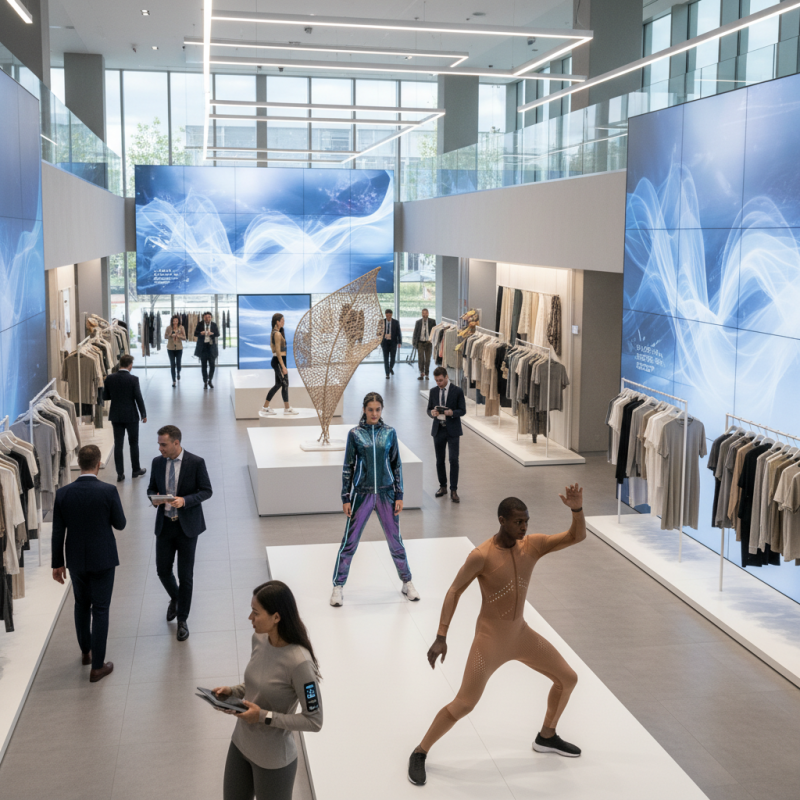
Emerging Color Palettes in 2026 Sportswear Trends
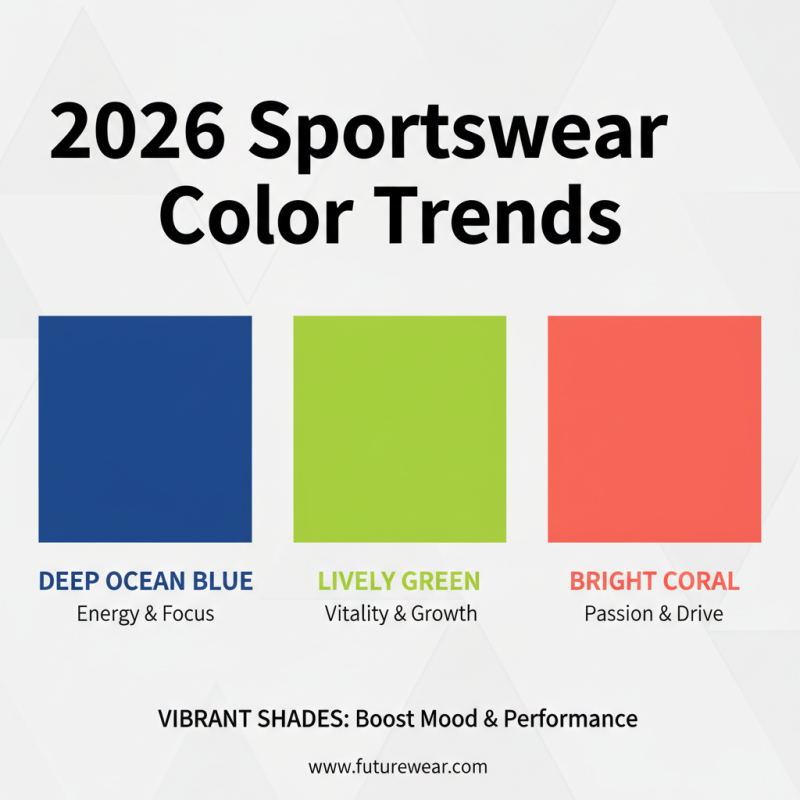
As we approach 2026, fresh color palettes are emerging in the sportswear landscape. Vibrant shades are making a strong comeback. Look for deep ocean blues, lively greens, and bright coral hues. These colors evoke energy and vitality, ideal for active lifestyles. The emotional connection to colors can influence mood and performance.
Soft pastels are also gaining traction. Light lavender and mint green are transforming the industry’s aesthetic. They offer a calming effect, which contrasts with the usual bold colors. These softer tones cater to consumers seeking a more subtle approach. However, finding the right balance is essential. Too many muted colors might dilute the energetic vibe needed in sportswear.
Moreover, the focus on sustainable materials affects color choices. Natural dyes and organic fabrics yield unique shades. This method sometimes leads to unpredictable results, creating variations in color and texture. While this approach is environmentally friendly, it challenges designers to ensure consistency. Embracing imperfections could lead to innovative designs that resonate with conscious consumers. The evolving color trends reflect a broader shift towards mindful consumption, providing new avenues for creativity.
Sustainable Materials Revolutionizing Sportswear Design
The sportswear industry is undergoing a major transformation. Sustainable materials are at the forefront of this change. Eco-friendly fabrics are becoming more popular among designers and consumers alike. This shift encourages brands to rethink their sourcing strategies. Many designers now prioritize recycled textiles, natural fibers, and biodegradable materials.
The appeal of sustainable sportswear goes beyond environmental benefits. Such fabrics often enhance performance and comfort. For example, moisture-wicking properties are common in materials made from recycled plastics. Even natural fibers, like organic cotton, offer improved breathability. Global Leading Adult Sportswear Factory is leading the charge in using innovative materials. They focus on creating stylish, functional apparel while reducing environmental impact.
However, challenges remain in this transition. Many consumers still prioritize style over sustainability. Some sportswear lacks the same durability as traditional options. Innovations are needed to bridge this gap. Educating buyers about sustainable options is crucial. An informed consumer can drive demand for better practices in the industry. The road to a fully sustainable sportswear market is still long. But with continued effort, we can make strides toward a greener future.
Technological Innovations Shaping Athletic Performance Gear
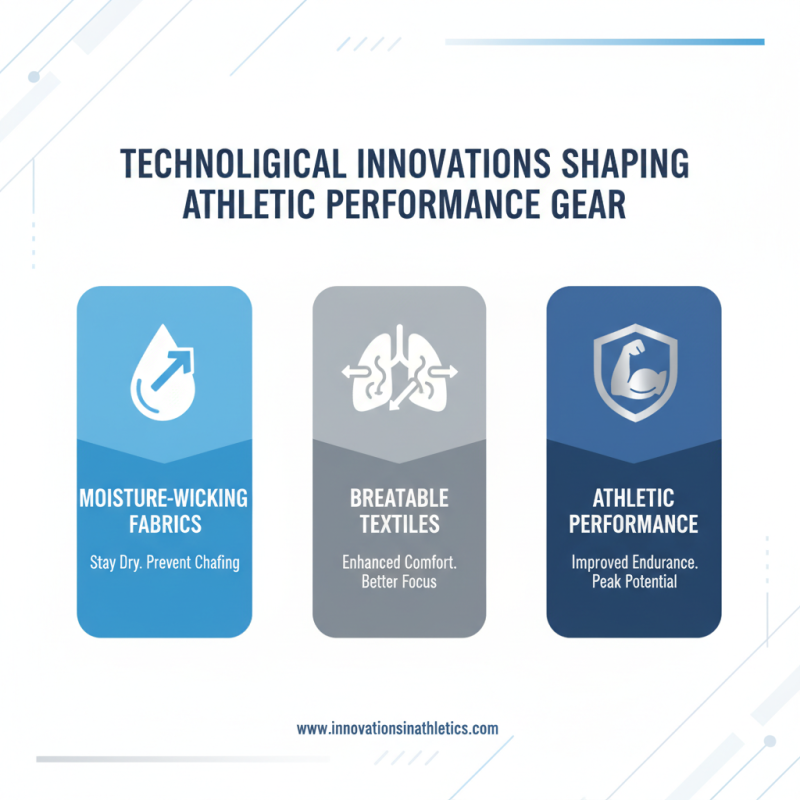
Technological innovations are revolutionizing athletic performance gear. Advanced fabrics now offer moisture-wicking properties. These materials help athletes stay dry during intense workouts. Breathable textiles enhance comfort, allowing for better focus on performance.
Wearable technology is another key trend. Fitness trackers and smart clothing provide real-time data on heart rate and calories burned. This feedback helps athletes adjust their training plans. Yet, the reliance on gadgets raises questions about data privacy and accuracy.
Biometric sensors integrated into gear promise even more insights. They can monitor muscle strain and fatigue levels. However, the effectiveness of these technologies is still being evaluated. Many athletes find themselves overwhelmed by data overload. There is a growing need for balance between innovation and intuitive simplicity in sportswear.
The Rise of Inclusive Sizing in Sportswear Lines
The sportswear industry is experiencing a significant shift toward inclusive sizing. This trend reflects a growing demand for brands to embrace body diversity. Inclusive sizing means offering a broader range of sizes to cater to all body types. It encourages more active lifestyles for individuals who have traditionally felt excluded.
High-Quality Sportswear Outfits Factory now focus on creating products that fit and flatter every shape. These factories invest in research and development to understand the varied needs of their consumers. They are realizing that clothing should not only be functional but also stylish and comfortable for everyone. However, it's important to recognize the challenges. Some brands still struggle with accurate sizing and marketing practices.
Inclusivity in sportswear is not just about size; it’s also about representation. Brands are increasingly showcasing diverse models in their campaigns. This visual representation can inspire confidence in consumers. Yet, some companies may fall short in delivering true inclusivity. They must reflect a genuine commitment rather than a trend. Engaging with the community and gathering feedback can help refine these efforts.
Cross-Functional Apparel: Blending Fashion with Functionality
Cross-functional apparel is the future of sportswear. It merges style with practicality, responding to modern lifestyle demands. Athletes and everyday fitness enthusiasts seek gear that excels in function and fashion. This trend emphasizes versatility, allowing wearers to transition from workout to social settings seamlessly. The incorporation of breathable fabrics enhances comfort, making it ideal for various activities.
Innovative designs must also address body movement. Well-placed seams and flexible materials contribute to effective performance. Incorporating smart technologies can track fitness metrics without compromising style. However, not all designs achieve that balance, and this requires critical evaluation. The challenge lies in creating pieces that fit diverse body types.
Sustainability plays a crucial role in 2026 trends. Eco-friendly materials are gaining traction, appealing to conscious consumers. Yet, brands must reflect on production processes and sourcing. Authenticity in messaging matters. Consumers are increasingly scrutinizing claims of sustainability. Thus, it’s essential for designers to pursue integrity while embracing creativity in their collections.
Athleisure: The Fusion of Sportswear and Daily Fashion
Athleisure is more than just a trend; it’s a lifestyle choice for many. This blend of sportswear and everyday apparel has reshaped how we perceive comfort and style. Consumers now prioritize clothing that transitions seamlessly from the gym to social settings. High-Quality Adult Sportswear Factories are responding to this demand by creating versatile pieces that do not compromise on either function or fashion.
People are embracing the athleisure style for its practicality. Soft fabrics and breathable materials are key features. Many are drawn to joggers and cropped tops that allow for ease of movement. However, while athleisure offers comfort, it sometimes lacks the elegance that formal wear provides. This gap invites further creativity in design. Brands must strive to elevate these casual styles without losing their laid-back essence.
Social media plays a crucial role in shaping athleisure trends. Influencers showcase how to mix and match activewear with casual pieces. Yet, this constant exposure can lead to unrealistic expectations about body image and fitness levels. Consumers must navigate the fine line between inspiration and pressure. As the athleisure movement grows, so does the need for thoughtful design that includes diverse body types and styles, all while ensuring ethical production through High-Quality Adult Sportswear Factories.
2026 Best Sportswear Trends for Global Buyers to Watch
| Trend |
Description |
Target Audience |
Season |
| Sustainable Materials |
Use of eco-friendly fabrics and materials in athletic wear. |
Environmentally conscious consumers |
All seasons |
| Tech-Enhanced Apparel |
Integration of smart technologies in clothing for performance analysis. |
Tech-savvy athletes |
Year-round |
| Bold Colours and Patterns |
Vibrant color palettes and unique prints dominating designs. |
Fashion-forward shoppers |
Spring/Summer |
| Gender-Neutral Styles |
Designs that cater to all genders, promoting inclusivity. |
Diverse consumers |
All seasons |
| Vintage Revival |
Reinterpretation of classic styles from previous decades. |
Retro enthusiasts |
Fall/Winter |
Consumer Behavior Influencing Future Sportswear Trends
Consumer behavior significantly shapes the future of sportswear trends. A recent report by Statista revealed that the global sportswear market is expected to reach $200 billion by 2026. This growth is driven by evolving consumer preferences, particularly among younger demographics. Research indicates that 54% of millennials prioritize sustainability in their purchasing decisions.
Moreover, the rise of remote work has changed activewear usage patterns. More people seek versatile pieces suitable for both workouts and casual outings. According to McKinsey, 70% of consumers report using sportswear for everyday wear. In this context,
China OEM Outdoor Sportswear Suppliers are adapting to meet these demands by integrating eco-friendly materials and flexible designs into their offerings.
However, there remain challenges. Not all consumers have access to sustainable options. Price sensitivity continues to affect purchasing behavior, especially in emerging markets. Companies must consider local preferences while navigating global trends. The path forward requires continuous learning and adaptation to consumer insights and expectations.
Global Sportswear Market Insights: The Rise of Custom Logo Sublimation Polo Shirts and Quick-Dry Technology
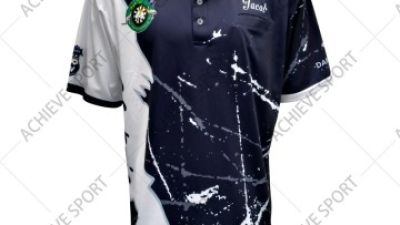
The global sportswear market has witnessed significant growth, driven by evolving consumer preferences for functional and high-quality apparel. Among the leading trends is the rise of custom logo sublimation polo shirts, which combine performance and personalization, appealing to both corporate teams and casual wear enthusiasts. With reports indicating that the functional apparel market is projected to reach USD 600 billion by 2025, custom solutions are becoming increasingly vital for brands looking to engage consumers meaningfully.
A key aspect of this trend is the integration of quick-dry technology into premium breathable fabrics. These polo shirts are designed with soft, lightweight polyester that efficiently wicks moisture away, ensuring all-day comfort regardless of the activity. This structural innovation not only resists deformation but also maintains a polished look through repeated washes. As organizations seek to enhance brand visibility, digital sublimation printing allows for vivid customization of logos and graphics, providing durability without concerns of peeling or cracking. This has led to a rise in demand for OEM services that offer flexible sizing options, catering to various markets including corporate branding, sports leagues, and promotional ventures.
As consumer expectations for sportswear evolve, the emphasis on quality, performance, and personalization remains paramount. Innovations in fabric technology and printing methods are paving the way for custom solutions that meet the diverse needs of modern lifestyle and athletic pursuits, reinforcing the growth trajectory of the global sportswear sector.
FAQS
: Vibrant shades like deep ocean blues and bright coral are making a comeback, reflecting energy and vitality.
Light lavender and mint green provide a calming effect, appealing to those seeking a subtle aesthetic.
Natural dyes create unique shades but can lead to variations, challenging designers to maintain consistency.
Sustainable fabrics enhance performance and comfort while also reducing environmental impact, catering to conscious consumers.
Many consumers prioritize style over sustainability, and some eco-friendly options lack durability compared to traditional materials.
Advanced fabrics offer moisture-wicking properties for comfort, while wearable tech provides real-time data for training adjustments.
They can monitor muscle strain and fatigue, but effectiveness and data accuracy are still being evaluated.
Educating themselves about sustainable options empowers consumers to demand improved practices and products.
The reliance on gadgets raises questions about data privacy and the potential for data overload among athletes.
Yes, a balance between innovative features and intuitive simplicity is essential for user-friendly sportswear.
Conclusion
The 2026 best sportswear trends highlight a transformative landscape influenced by various factors. Emerging color palettes are set to redefine aesthetics in sportswear, making bold statements that resonate with consumers. As sustainability becomes paramount, innovative materials are revolutionizing designs, emphasizing eco-friendly practices. Technological advancements are also playing a crucial role, enhancing athletic performance gear to meet the demands of modern athletes.
Additionally, the rise of inclusive sizing reflects a growing awareness of body diversity, ensuring that sportswear is accessible to all. Cross-functional apparel is blurring the lines between fashion and functionality, catering to the needs of a dynamic lifestyle. Lastly, athleisure continues to thrive as sportswear merges seamlessly with daily fashion, driven by changing consumer behaviors that favor versatility and comfort. These trends collectively signify a vibrant future for the sportswear industry, catering to a more diverse and conscientious market.