Leave Your Message
0%

The market for sublimated hockey uniforms in 2026 is really heating up, and buyers are getting way more particular. They’re not just looking for eye-catching graphics anymore; reliable sizing, breathable fabrics, and consistent colors have become must-haves. Of course, a polished look does matter, but at the end of the day, performance is what keeps teams coming back for more—they need gear that works when it really counts.

Michael J. Zipp, who’s got tons of experience in sourcing sportswear and team apparel, put it pretty well: “A hockey uniform should allow free movement, stand up to lots of use, and clearly show off the team’s identity.” That’s the practical mindset we use when evaluating options. We pay close attention to fabric weight, moisture-wicking ability, stretch recovery, stitching quality, how accurate customization is, and how good the communication is during production. Sometimes, it really is the little things—like a collar that chafes or seams that pop during a rough game—that can make or break the whole experience. And let’s not forget how mismatched colors can dilute a team’s image.

This guide aims to help you navigate the 2026 landscape of the best sublimated hockey uniforms for global buyers. We look at factors like manufacturers, the flexibility of designs, quality of samples, lead times, packaging, and after-sales support. If you’re comparing a China-based ODM supplier for sublimated polos with specialized hockey gear producers, don’t just go for the lowest price. Hockey jerseys are tricky—they need special pattern engineering, durability testing, and precise fitting. Nobody's perfect, and supplier performance can vary depending on materials, order size, and how busy the factory is. It’s always smart to ask for current samples and detailed specs before buying in bulk—that’s kind of basic but somehow often overlooked.

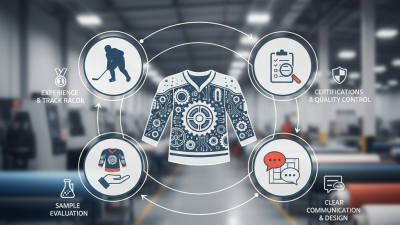
The best suppliers are those who combine quick, responsive service with clear, measurable standards. They’re upfront about fabric options and what customization can handle. And if they mess up, they own it and fix it without a bunch of excuses. For teams around the world, that kind of reliability might matter even more than a flashy catalog—because in the end, it’s the quality you can count on when it really matters.
2026 Best Sublimated Hockey Uniforms for Global Buyers

What Are Sublimated Hockey Uniforms?

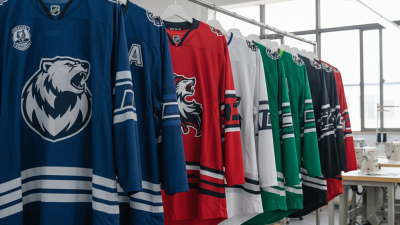
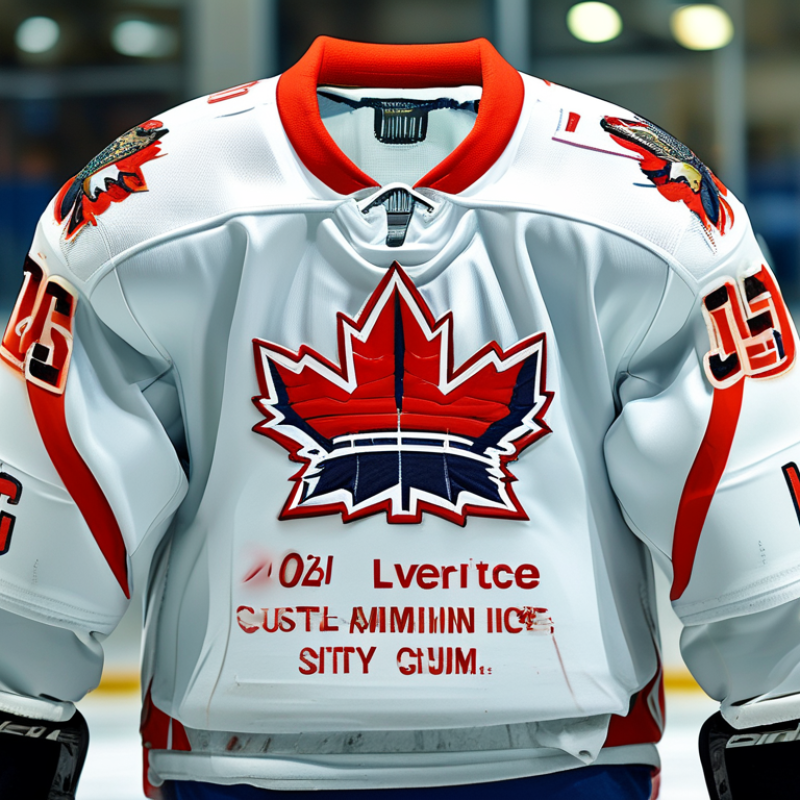
Sublimated hockey uniforms are garments made with a heat-transfer dyeing process. The design becomes part of the polyester fibers, rather than sitting on top of the fabric. This creates a smooth surface without heavy patches or raised lettering. It feels light during fast skating.

The process usually starts with a digital design. Heat and pressure then transfer the colors into the fabric. Names, numbers, stripes, and detailed graphics can be produced in one continuous pattern. The result usually resists cracking and peeling better than surface printing. However, color accuracy can vary between screens and physical fabric. A pre-production sample is important.

From my experience reviewing teamwear specifications, fabric quality matters as much as artwork. A strong uniform should offer stretch, moisture control, reinforced seams, and comfortable sleeve movement. Check the size chart carefully. Protective equipment changes the required fit. Ask about colorfastness, washing instructions, production tolerances, and material documentation before placing a large international order. A uniform can look excellent on a design file yet feel restrictive on the ice. That mistake is easy to overlook. Also, sublimation cannot fix poor artwork or weak construction. Clean files, readable numbers, and verified measurements support a more reliable result for global buyers.

2026 Best Sublimated Hockey Uniforms for Global Buyers - What Are Sublimated Hockey Uniforms?

Sublimated hockey uniforms are polyester garments decorated by infusing dye into the fabric with heat. The design becomes part of the textile instead of sitting on top as a separate layer, supporting full-color graphics and consistent artwork across jerseys, pants shells, and socks.

The chart compares official full-size ice-rink dimensions used in major hockey markets. These measurements help global buyers plan artwork scale, placement, and team-size requirements across different playing environments.

Key Design Trends for 2026 Hockey Uniforms

2026 Best Sublimated Hockey Uniforms for Global Buyers

Key Design Trends for 2026 Hockey Uniforms

The strongest 2026 hockey uniforms combine sharp graphics with practical movement. Full-dye sublimation supports detailed gradients, icy textures, and fine linework without adding heavy layers. Designers are using darker shoulder panels to reduce visible wear during contact and travel. Ventilated side sections help release heat during intense shifts. The fabric should feel smooth, stretch across the shoulders, and recover after repeated washing. Small details matter.

Fit is becoming more adaptable for global teams. Many buyers now request body-length options, adjustable hems, and sleeve measurements for different player builds. A reliable uniform developer should confirm size charts with physical samples, not only digital files. In our sourcing experience, a two-centimeter sleeve error can affect stick handling. It sounds minor. It is not.

Sustainability and production transparency are also shaping buyer decisions. China ODM Sublimated Polo Manufacturers may support custom patterns, graded sizing, and coordinated polo styles for staff or youth programs. Buyers should ask about fabric composition, colorfastness testing, stitching density, and packaging materials. Production samples should be checked under stadium lighting, where colors often look different. Some bright designs still lose contrast on camera. That mistake deserves review before bulk production. Exact delivery planning also requires allowance for sample changes, artwork approval, and regional shipping conditions.

Choosing Fabrics, Fits, and Performance Features

For global buyers, the best sublimated hockey uniform starts with fabric selection. A durable polyester knit should balance stretch, breathability, and abrasion resistance. Lightweight fabric feels cooler, but it may wear faster during frequent contact. A denser knit offers stronger protection, although players may feel warmer. Moisture-wicking yarns help move sweat away from the skin. Ventilation panels under the arms can improve comfort during long shifts.

Fit requires more than checking standard size charts. Measure chest, waist, sleeve length, and shoulder width for the actual player group. A hockey jersey needs room for shoulder pads without becoming excessively loose.

Sleeves should cover the elbow area but avoid blocking glove movement. Shorts should sit securely over protective equipment. In fitting sessions, small differences between youth and adult cuts often cause unexpected discomfort. Do not trust measurements alone.

Tips: Request fabric swatches before placing a large order. Test stretch after repeated pulling. Check color clarity under indoor and outdoor lighting. Review stitching around the collar, cuffs, and side panels. Ask for a sample with the intended protective gear. It may reveal problems that a flat design cannot show. Confirm care instructions, production tolerances, and delivery standards in writing. A perfect digital preview does not guarantee a perfect garment. Jersey performance depends on climate, playing intensity, washing habits, and fit accuracy. Even experienced buyers should leave room for reassessment.

Planning Custom Graphics, Colors, and Team Branding

Planning custom hockey graphics starts with movement, not decoration. A sleeve logo must remain readable during fast play. Player numbers need strong contrast against mesh texture. Fine gradients can disappear under arena lighting. According to Grand View Research, the global sports apparel market was valued at approximately $203.4 billion in 2023, with continued growth expected through 2030. That expansion raises expectations for sharper customization and consistent production.

Color planning should use standardized references, not screen images alone. Request physical fabric swatches before approving a full team order. A deep navy may appear almost black after sublimation. White panels can also expose uneven base fabric. The SFIA 2024 Topline Participation Report continues tracking ice hockey participation in the United States, reminding suppliers that demand planning depends on real participation patterns, not guesses. International teams should review regional sizing, climate, and tournament schedules before selecting materials.

A High-Quality Sublimated Jersey Supplier should provide proof samples, color checks, and artwork inspection before production. Ask how the supplier controls repeated logos across different jersey sizes. Check seam alignment around shoulders and side panels. Include sponsor-free mockups when evaluating the team identity itself. This is where planning can become imperfect: a graphic that looks powerful on a flat template may feel crowded on a moving player. Revisions are normal. Clear approval records prevent expensive misunderstandings. According to Smithers’ technical textile market analysis, digital textile printing continues gaining attention for shorter runs and customized production, but print quality still depends on fabric preparation, color management, and curing control.

Evaluating Hockey Uniform Suppliers for Global Orders

For global buyers, evaluating hockey uniform suppliers requires more than comparing catalog prices. Review fabric weight, stretch recovery, color consistency, and seam strength. A useful sample should survive repeated skating, washing, and contact. Request laboratory results, not only factory photographs.

Textile Exchange’s 2024 Materials Market Report states that polyester represented about 57% of global fiber production in 2023. Recycled polyester remained a smaller share, so sustainability claims need verification.

Ask each supplier for production capacity, lead times, size grading, and replacement procedures. Grand View Research reports continued growth in global sportswear demand, increasing pressure on factories and logistics networks. That growth can create rushed sampling or inconsistent quality. Check whether the supplier uses documented inspections, batch records, and pre-shipment measurements.

Small differences matter. A sleeve that twists can affect a player’s movement. A collar that stretches may look worn after one tournament.

Tips:

Order a pre-production sample in several sizes. Test it with shoulder pads. Measure chest width, sleeve length, and body length.

Confirm fabric composition through an independent test when possible. Also examine packaging, carton labels, and delivery terms. These details reveal operational discipline.

I would not rely on the cheapest quotation alone; my own purchasing reviews often found hidden costs in artwork changes and late corrections. A strong supplier is not always perfect, but it should explain failures clearly and improve the next sample.

Managing Samples, Quality Control, and Production

2026 Best Sublimated Hockey Uniforms for Global Buyers

Managing samples, quality control, and production requires practical planning. A reliable High-Quality Sublimated Shirts Supplier should provide a physical sample before bulk manufacturing. Review the fabric weight, color accuracy, stitching, and player number placement. Hold the jersey under bright light. Faint color gaps can appear near seams. Small details matter. Ask for measurements in centimeters, not general size labels. This reduces fitting problems across different markets.

Before production starts, use a written approval sheet with photos and measurements. Check the collar shape, sleeve length, hem tension, and print alignment. During production, inspect several pieces from different cartons. Do not examine only the first shirt. Thread tension may change during a long run. Packaging also deserves attention, especially when uniforms travel through humid regions. In my experience, rushed approvals create expensive corrections. However, even careful control can miss one irregular garment. That risk should be discussed honestly.

Tips: Request a pre-production sample and a wash test. Keep the approved sample beside the production order. Record fabric color under natural and indoor light. Allow extra time for corrections. Perfect control is unrealistic. Clear records make problems easier to solve.

2026 Best Sublimated Hockey Uniforms for Global Buyers - Managing Samples, Quality Control, and Production

Uniform Area Recommended Specification Sample Checkpoint Production Quality Standard Typical Tolerance Buyer Action
Jersey Fabric 100% polyester interlock or birdseye knit; approximately 140–180 gsm for lightweight game jerseys. Check stretch recovery, opacity, hand feel, and color appearance under daylight. Fabric weight, composition, knitting structure, and approved color must match the signed specification. Fabric weight: ±5%; measurements: ±1 cm unless otherwise agreed. Approve a physical swatch before bulk cutting.
Sublimation Print Dye-sublimated artwork with vector logos, confirmed Pantone references, and production-size files. Verify artwork scale, panel alignment, names, numbers, and color conversion on the sample. No visible white gaps, ghosting, major banding, registration errors, or unapproved artwork changes. Color evaluation should use an approved physical sample; digital screens are not a final color reference. Supply a locked artwork file and written approval record.
Size Grading Use a measurement chart covering chest, body length, sleeve length, and age or player category. Measure the sample flat and compare it with the approved chart before grading the full size range. Every size should follow the approved grade rules; mixed-size bundles should be counted separately. Common garment measurement allowance: ±1–2 cm, depending on the measurement point. Provide a size breakdown and player roster before production.
Stitching and Seams Overlock or coverstitch construction at high-stress areas, with reinforced shoulder and side seams. Inspect seam strength, skipped stitches, loose threads, puckering, and neckline symmetry. Stitches must be secure and even; no open seams, needle damage, or excessive thread tails. Seam appearance should be consistent across the inspected production sample. Request stress-point photos or an in-line inspection report.
Neck and Cuffs Comfortable stretch rib or matching polyester trim with a stable recovery after wear. Check opening dimensions, comfort, seam flatness, and color matching with the body. Trim must lie flat without twisting, excessive stretching, or exposed raw edges. Opening measurement: generally ±1 cm against the approved sample. Specify whether the fit is standard, relaxed, or fitted.
Names and Numbers Use approved font, height, placement, and spelling for each player or team order. Cross-check the sample against the roster and confirm front, back, and sleeve placement. All personalization must be legible, centered, correctly spelled, and free from distortion. Placement should remain within the agreed measurement guide. Use a final roster approval that records every spelling and number.
Sample Development Digital mock-up followed by one physical pre-production sample for fit and construction review. Typical sample cycle: about 7–14 calendar days after complete artwork and measurement approval. Bulk production should follow the approved sample or an agreed sealed reference. Revisions may add approximately 3–7 calendar days per cycle. Approve sample comments in writing with dated images.
Production Planning Plan fabric, artwork, cutting, sewing, inspection, packing, and export documentation as separate milestones. Confirm material availability and the production start date after sample approval. Typical bulk production window: about 20–35 calendar days after final approval, depending on quantity and customization. Schedule may change with order size, peak season, artwork revisions, or material shortages. Build a shipping buffer of at least 7–14 days for team orders.
Quality Inspection Use incoming-material, in-line, pre-final, and final random inspections. Inspect at least one complete sample for every size and personalization format where practical. Check quantity, dimensions, print, stitching, stains, odor, packaging, and carton markings. Use a written defect classification and agreed acceptance criteria before production. Request inspection photos, measurement records, and carton counts before shipment.
Packing and Delivery Folded individual garments, size-separated bundles, moisture protection, and carton labels with purchase-order details. Confirm folded dimensions, carton weight, shipping marks, and packing list accuracy. Packing must protect sublimated surfaces and keep personalized garments traceable by size or roster. Transit time varies by destination and service; international delivery commonly requires additional customs time. Share the commercial invoice, packing list, tracking details, and care instructions.
Buyer Planning Note: Timelines and tolerances are practical industry planning ranges rather than universal requirements. Final specifications should be confirmed in the purchase order, approved sample, measurement chart, artwork file, and inspection checklist.

Understanding International Shipping and Import Requirements

For global buyers, a strong hockey uniform begins with a clear import plan, not only a sharp design. Ask the Global Custom Sublimated Hoodie Factory for fiber content, garment weight, country of origin, and carton dimensions. These details support customs classification and freight quotations. Request a preproduction sample. Check names, numbers, sleeve placement, and fabric stretch before approving bulk production. Small errors become expensive when many cartons cross a border.

Prepare a commercial invoice, packing list, transport document, and accurate product description. The description should identify sublimated hockey uniforms, not use vague terms such as “sports goods.” Confirm the correct tariff code with a licensed customs broker. Duties, import taxes, brokerage fees, and local handling charges may apply separately. Delivery terms also matter. DDP may include more costs upfront, while other terms can leave the buyer responsible for customs clearance and payment.

Import rules differ by destination. Some markets request fiber labels, care instructions, or documentation for children’s garments. Ask about required language and label placement before sewing begins. Keep digital copies of every approval and shipping record. A practical mistake is relying on an old customs estimate. Rates and procedures can change. Leave time for inspections, port delays, and public holidays. I would also recheck carton measurements; even a small size difference can change the freight bill. Clear communication reduces surprises, although it cannot remove every risk.

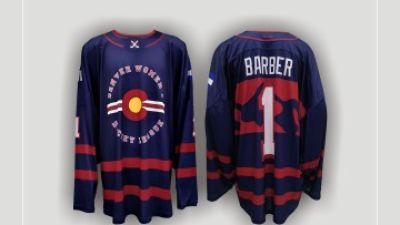
Achieve Sportswear Vanguard Stripe Custom Hockey Jersey: A Guide to Style, Fit, and Team Identity

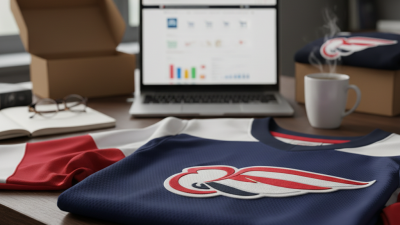
The Vanguard Stripe Custom Hockey Jersey brings a clean, authoritative style to every shift. Its deep navy base creates a strong foundation, while bold horizontal stripes add visual energy without overwhelming the team’s identity. Custom colors, names, numbers, and graphics can be arranged to reflect a club’s character, helping players look united from warm-ups through the final period. The balanced design works well for league teams, school programs, and competitive clubs seeking a polished on-ice presence.

Fit is just as important as appearance when movement, protection, and comfort matter. The lightweight, breathable fabric allows airflow during intense play and helps players stay comfortable through training sessions, tournaments, and extended wear. A practical hockey cut gives athletes room to move naturally while accommodating protective equipment, and the overall structure supports skating, shooting, and quick transitions without feeling restrictive. Teams can select sizing carefully to create a consistent silhouette across the roster while allowing each player the mobility they need.

Full sublimation technology integrates the graphics directly into the fabric, keeping stripes, numbers, and custom details sharp and fade-resistant over time. This finish supports a professional appearance through regular washing and repeated use, making the jersey a dependable part of a team’s game-day kit. The combination of durable visual detail, breathable construction, and coordinated customization allows players to express shared identity with confidence on and off the ice.

FAQS

: What are sublimated hockey uniforms?

: They use heat and pressure to dye designs into polyester fibers. The surface stays smooth and lightweight.

Why do teams choose sublimated uniforms?

Names, numbers, stripes, and graphics can form one continuous design. The artwork usually resists cracking and peeling.

Can sublimation guarantee accurate colors?

No. Screens and fabric may show different shades. Always approve a physical pre-production sample.

What fabric features should buyers inspect?

Check stretch, moisture control, seam strength, and sleeve movement. Fabric quality matters as much as artwork.

How should the uniform fit with protective equipment?

Test the uniform with shoulder pads and other gear. Measure chest width, sleeve length, and body length.

What supplier documents should global buyers request?

Request material details, laboratory results, size grading, batch records, and inspection procedures. Factory photos are not enough.

Why is repeated testing important?

A sample should survive skating, washing, and physical contact. Watch for twisting sleeves, loose collars, or weak seams.

How can buyers verify sustainability claims?

Confirm the fiber composition through independent testing when possible. Do not accept vague environmental statements.

Is the lowest quotation usually the best choice?

Not necessarily. Artwork changes, late corrections, and replacement issues can create hidden costs.

What makes a supplier reliable?

A reliable supplier explains failures clearly and improves later samples. No supplier is perfect, though consistency matters.

Which details are easy to overlook?

Check carton labels, packaging, delivery terms, and washing instructions. Small details can expose weak organization.

Can excellent artwork fix poor construction?

No. Clean files cannot repair restrictive fabric, weak seams, or incorrect measurements. That part still needs human checking.

Conclusion

This guide to the 2026 best sublimated hockey uniforms for global buyers explains how a Sublimated Hockey Uniform combines full-color, permanently printed graphics with durable performance materials. It explores emerging design trends, including streamlined layouts, bold gradients, coordinated team identities, and practical details that support movement, ventilation, comfort, and protection. Buyers will also learn how to select suitable fabrics, fits, hems, collars, and construction features for different playing conditions.

The guide provides a practical framework for planning custom graphics, color systems, numbers, names, and team branding while maintaining visual consistency. It also covers how to evaluate international suppliers through communication, production capacity, customization options, and quality standards. Additional guidance addresses sample approval, measurement checks, color accuracy, inspection procedures, production schedules, packaging, shipping documents, and import requirements, helping teams and distributors manage overseas orders efficiently and reduce avoidable delays or quality issues.
Sophia

Sophia

Sophia is a dedicated marketing professional with a wealth of experience in the sportswear industry. With over 15 years of expertise in producing high-quality athletic apparel, she possesses a deep understanding of the market and the evolving needs of customers. As a vital part of Achieve......
Previous 2026 Best Sublimated Sportswear Suppliers Worldwide?