Leave Your Message
0%

Picking the right sublimated sportswear supplier in 2026 isn’t just about chasing the lowest price. Honestly, factors like fabric quality, how well the colors stay vibrant, how controlled the production process is, and whether they can deliver on time are what really matter — they can even impact your team's performance and image.

According to Grand View Research, the global market for custom T-shirts and sportswear printing is growing steadily, mainly because people love personalized gear and digital printing makes it easier and faster to get new designs out. Smithers also points out that textile digital printing is a booming industry segment, thanks to shorter runs and quicker turnaround times for new designs. This is pretty good news for clubs, schools, retailers, and pro teams who need a flexible, reliable manufacturing partner.

A dependable Global Custom Adult Sportswear Supplier should provide consistent polyester fabrics, sharp, all-over graphics, proven colorfastness, and transparent sampling processes — little things that make a big difference.

David Gross, who’s a well-known expert in the sublimation world and was even president of Condé Systems, explains the main perk simply: “Sublimation is the process of turning a solid directly into a gas.” Basically, that means the ink becomes part of the fabric, instead of just sitting on top. So, your gear feels lighter during workouts and still looks great after plenty of washes.

That said, no supplier rating will be flawless. Even if a company boasts fancy certifications, communication might still be sluggish. A low quote might hide weaker materials or limited quality control. Before you lock anything in, it's smart to check out actual samples, production photos, audit reports, and customer reviews. This guide breaks down the top sublimated sportswear suppliers for 2026 worldwide, based on practical stuff like experience, how much they can customize, technical skills, lead times, and whether they’re a trustworthy business partner.
2026 Best Sublimated Sportswear Suppliers Worldwide?

What Are Sublimated Sportswear Suppliers?

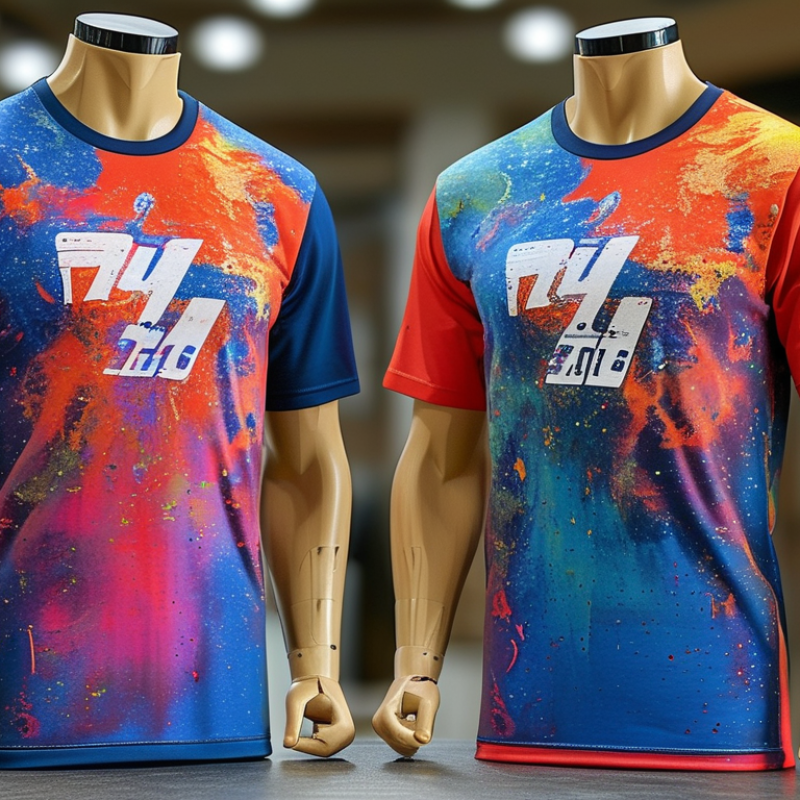
Sublimated sportswear suppliers are manufacturers that create athletic garments through a dye-printing process. They print artwork onto special transfer paper, then apply heat and pressure. The ink enters the fabric fibers instead of sitting on the surface. This produces lightweight designs that resist peeling and cracking during repeated training.

A capable supplier usually supports design preparation, size grading, sampling, production, inspection, and shipment. Their experience matters when artwork contains thin lines, gradients, or multiple colors. For example, a sample should be checked after stretching across the chest and shoulders. The design should remain clear near seams. Fabric weight, breathability, color consistency, and shrinkage also need practical testing. A reliable supplier should provide production records, material details, and clear quality procedures.

A Global Leading Adult Sportswear Factory should communicate like a technical partner, not only a seller. Ask how it handles color differences between digital previews and finished fabric. Request a physical sample before approving large production. The process is not flawless. Even experienced teams can miss a small alignment issue or underestimate fabric movement. I have found that honest corrections during sampling prevent larger problems later. Suppliers with trained technicians, traceable inspections, and realistic delivery information are easier to trust. Their value appears in the details: clean stitching, accurate sizing, stable colors, and garments that remain comfortable after many washes.

How Does Sportswear Sublimation Manufacturing Work?

2026 Best Sublimated Sportswear Suppliers Worldwide?

Sportswear sublimation manufacturing starts with a digital design. The artwork is printed onto coated transfer paper using disperse dyes. Heat then opens the polyester fibers, allowing the color to become part of the fabric.

A typical heat press reaches about 180–210°C for controlled transfer. Temperature, pressure, and dwell time must match the fabric weight. Small errors can create faded edges, ghosting, or uneven color blocks.

I have seen bright samples fail after washing because curing time was rushed.

Polyester remains central to this process. Textile Exchange’s 2024 Materials Market Report estimated global fiber production at 124 million tonnes in 2023, with polyester representing about 57 percent. That scale supports consistent material access, but it also raises recycling and waste concerns.

Grand View Research has projected continued growth in the global sports apparel market through 2030, increasing demand for flexible, short-run production.

A High-Quality Sportswear Outfits Factory should therefore verify fabric composition, colorfastness, shrinkage, and print alignment before bulk production.

Ask for wash-test records and physical samples. Digital previews are not enough.

One weakness remains: sublimation works best on light-colored polyester, limiting certain design choices. Reflect on that before approving a complex order.

Which Factors Define a Reliable Global Supplier?

Choosing reliable global sportswear suppliers requires more than comparing online prices. In my sourcing experience, factory visits reveal details that product photos hide. Check cutting tables, heat-press stations, fabric rolls, and finished garments. A serious supplier can explain fabric weight, colorfastness, shrinkage, and print durability without hesitation. High-Quality Adult Sportswear Factories should also provide clear production records and documented quality procedures.

Request physical samples before signing a large order. Wash them repeatedly and inspect seams, waistbands, labels, and printed edges. Ask whether the sample uses the same fabric and machinery as bulk production. This simple check often exposes unexpected differences. Reliable suppliers share realistic lead times, minimum order quantities, packaging details, and payment terms. Vague answers create expensive problems later.

Compliance needs equal attention. Confirm business registration, workplace safety practices, material traceability, and testing documents relevant to each destination market. Independent inspection can verify measurements, color accuracy, carton counts, and defects before shipment. Communication matters too. A dependable team reports delays early and proposes workable solutions. One missed approval can affect thousands of garments, so written specifications are essential. Still, no supplier is flawless. I would review performance after every order, because a successful first shipment does not guarantee consistent future quality. A quiet production floor is not proof of reliability. Evidence is.

2026 Best Sublimated Sportswear Suppliers Worldwide?

Which Factors Define a Reliable Global Supplier?

The chart presents a practical buyer-evaluation model for global sublimated sportswear suppliers. Quality consistency, production reliability, material compliance, communication, delivery performance, customization capability, and after-sales support are weighted according to their typical impact on long-term international sourcing decisions. The percentages form a 100-point evaluation framework and do not represent data from any individual company or brand.

What Product Categories Do Top Suppliers Offer?

Top sublimated sportswear suppliers usually offer more than custom jerseys. Their core categories include football shirts, basketball uniforms, volleyball sets, rugby kits, and training tops. Most use polyester fabrics because the fibers hold detailed graphics and repeated washing well. A supplier should explain fabric weight, stretch, breathability, and colorfastness before production.

Many factories also produce matching shorts, leggings, warm-up jackets, tracksuits, and compression garments. Cycling collections may include bib shorts, jerseys, vests, and lightweight windbreakers. Swimming categories often require chlorine-resistant fabric and secure stitching. These differences matter. One fabric rarely performs well across every sport.

Accessories can widen a supplier’s range. Common options include socks, arm sleeves, headbands, gym bags, towels, and caps. Reliable suppliers normally provide size charts, digital artwork checks, pre-production samples, and wash-test information. Ask how they control color consistency between shirts and shorts. Small shade differences can look obvious under stadium lights.

Experience also shows a practical limitation. A supplier may offer many categories but specialize in only a few. Their cycling fit might be excellent, while their basketball shorts feel too heavy. Request recent production photos, measurement tables, and sample garments. Check seams, elastic recovery, print alignment, and delivery records. Do not trust a large catalog alone. Capability must be tested.

How Should Buyers Compare Quality, Pricing, and Minimum Orders?

2026 Best Sublimated Sportswear Suppliers Worldwide?

How Should Buyers Compare Quality, Pricing, and Minimum Orders?

Quality should be checked before comparing attractive quotations. Request a physical sample from each supplier, not only digital artwork. Examine fabric weight, stretch recovery, stitching density, and print alignment. Rub the printed surface after washing it twice. Colors that look sharp on screen may fade under real training conditions. Ask for fabric composition and test reports when performance claims matter. China OEM Outdoor Sportswear Suppliers may offer strong production capacity, but capacity alone does not prove consistency.

Pricing needs a wider view. Compare fabric, sublimation, labels, packaging, sampling, and delivery separately. A low unit price can hide expensive setup fees or weak quality control. Calculate the landed cost for your destination. Request quotes for several quantities, such as 50, 200, and 500 pieces. This reveals whether the price improves fairly. I once saw a cheaper quote become more expensive after revisions. That mistake was avoidable.

Minimum order quantities deserve practical attention. Ask whether the MOQ applies per design, color, size range, or total order. Confirm the cost of a small replenishment order before signing production terms. A supplier may accept a low first order but require high quantities later. Clarify sample fees, production timelines, defect handling, and payment stages in writing. Buyers should also inspect how measurements are approved. I still find this step easy to underestimate. A signed size chart can prevent a costly batch of unusable garments.

What Are the Leading Sublimated Sportswear Suppliers in 2026?

Leading sublimated sportswear suppliers in 2026 are defined by production control, not attractive catalogs. The strongest suppliers usually combine in-house artwork, high-resolution transfer printing, cut-and-sew capacity, and documented quality testing. Regional manufacturers in Asia remain competitive for large orders, while European and North American producers often provide shorter lead times and stricter traceability.

Market demand supports this shift. Grand View Research estimates that the global sports apparel market reached approximately USD 248 billion in 2023, with growth projected through 2030. Smithers’ textile printing research also identifies polyester sportswear as a major application for digital printing. Sublimation performs well here because the dye enters the fabric, reducing surface cracking after repeated washing. Still, supplier claims require verification.

A serious evaluation should request fabric composition, colorfastness results, shrinkage data, and production samples. Check a jersey after five washes, not only after delivery. Ask for test records covering print alignment, seam strength, and size tolerance. Suppliers offering recycled polyester may support sustainability goals, but certification evidence matters more than marketing language. Minimum order quantities can vary sharply, from small trial runs to several thousand pieces. Pricing alone is a weak filter. Some low quotations exclude packaging, sampling, or corrective production. The data is useful, but not perfect. Seasonal capacity, freight disruption, and inconsistent fabric batches can still affect delivery. Suppliers with transparent communication and measurable inspection procedures deserve closer attention.

2026 Best Sublimated Sportswear Suppliers Worldwide? — What Are the Leading Sublimated Sportswear Supplier Segments in 2026?
Supplier Segment Major Production Base Typical Product Coverage Sublimation Capability Typical MOQ Sample Lead Time Typical Bulk Lead Time Fabric Options Common Compliance Evidence Best Suited For
Large Export-Oriented Factory East and Southeast Asia Team jerseys, shorts, tracksuits, training wear, cycling apparel and fanwear Full-panel digital sublimation with automated color management and repeat-order artwork storage Usually 50–300 pieces per style or colorway Approximately 7–14 calendar days Approximately 25–45 calendar days after artwork and order approval 100% polyester interlock, mesh, pique and recycled polyester options May provide factory audits, restricted-substance testing and social-compliance documentation upon request National teams, sports clubs, distributors and large promotional programs
Mid-Sized Custom Teamwear Manufacturer South Asia, Southeast Asia and Eastern Europe Custom jerseys, volleyball sets, basketball uniforms, rugby kits and school sportswear Low-to-medium volume all-over sublimation with digital artwork approval Usually 10–50 pieces per design Approximately 5–10 business days Approximately 15–30 business days Polyester mesh, interlock, birdseye and performance stretch fabrics Fabric composition records, colorfastness reports and production quality-control records are commonly available Schools, amateur clubs, regional teams and local retailers
Low-MOQ Online Customization Supplier North America, Europe and selected Asian manufacturing hubs Individual jerseys, fan shirts, esports apparel and small team orders Web-based design tools, print-on-demand or short-run sublimation 1–10 pieces Approximately 3–10 business days Approximately 7–20 business days Standard polyester performance fabrics; recycled options vary by supplier Online product specifications, care labels and standard material disclosures Individual athletes, small clubs, events and trial orders
Premium Performance Apparel Specialist Western Europe, North America and advanced Asian production centers Elite teamwear, cycling kits, triathlon apparel, compression garments and technical layers High-resolution sublimation combined with engineered paneling and technical construction Usually 25–100 pieces per style Approximately 10–20 business days Approximately 30–60 calendar days Lightweight recycled polyester, elastane blends, moisture-management mesh and compression fabrics Detailed fabric testing, traceability information and third-party performance or chemical testing may be available Professional teams, endurance events and technically demanding sports programs
Sustainable Sportswear Supplier Europe, Türkiye and selected Asian manufacturing regions Recycled team jerseys, eco-event apparel, training tops and responsible merchandise programs All-over sublimation on recycled polyester with digital sampling to reduce physical prototypes Usually 25–150 pieces per style Approximately 7–15 business days Approximately 25–50 calendar days Recycled polyester, recycled mesh and certified or traceable synthetic fibers where available May provide recycled-content certification, chain-of-custody records and environmental-management documentation Organizations with sustainability targets, public events and environmentally focused retailers
Nearshore Rapid-Replenishment Supplier Mexico, Türkiye, Portugal, Eastern Europe and other regional hubs Team kits, school uniforms, tournament merchandise and repeat replenishment orders Digital sublimation with shorter transport routes and faster reorder communication Usually 20–100 pieces per style Approximately 5–12 business days Approximately 15–35 calendar days Standard polyester performance fabrics and selected recycled alternatives Regional labor, product-safety and textile-testing documentation may be available depending on the market Buyers prioritizing delivery speed, smaller inventory commitments and easier communication
Private-Label Sportswear OEM/ODM Supplier China, Vietnam, Bangladesh, India and other established apparel-export regions Custom collections, private-label jerseys, coordinated teamwear and retail-ready apparel Full-package development covering artwork, patterns, labels, packaging and bulk sublimation production Usually 100–500 pieces per style, depending on construction and fabric Approximately 10–20 business days Approximately 35–70 calendar days Polyester, recycled polyester, stretch blends, mesh and custom-developed performance fabrics Can support product testing, factory audits, labeling requirements and market-specific documentation Sportswear retailers, distributors and organizations developing a proprietary apparel line
Data note: Lead times, minimum order quantities and documentation vary by product complexity, order size, season, fabric availability and destination market. The figures above are transparent industry benchmark ranges for 2026 supplier evaluation and are not claims about any named company or brand.

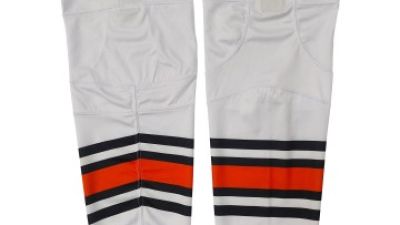
Custom Sublimated Ice Hockey Socks: Insights from Grand View Research’s Sports Apparel Report and IIHF Annual Survey

Custom sublimated ice hockey socks reflect the growing demand for performance-focused sports apparel. Grand View Research’s Sports Apparel Market report identifies continued global expansion, driven by consumers’ preference for functional, comfortable, and personalized athletic clothing. In ice hockey, socks are more than part of a uniform: they must support rapid skating, repeated contact, and extended game-time movement. Our premium customizable hockey socks use advanced moisture-wicking polyester to draw sweat away from the skin, helping players stay dry and focused during high-intensity play. Reinforced cuff stitching improves stability, minimizes slippage, and helps reduce abrasion.

The IIHF Annual Survey, which tracks ice hockey participation across national associations, reports more than 1.6 million registered players worldwide, highlighting the sport’s broad and diverse community. This global participation increases the need for team apparel that is practical, durable, and visually distinctive. Advanced sublimation printing allows team colors, logos, numbers, names, camouflage patterns, and personalized graphics to remain vibrant and fade-resistant through demanding use and regular washing. Designed for youth programs, amateur clubs, and competitive teams, these socks combine reliable construction with flexible customization, helping every lineup present a coordinated identity while performing confidently on the ice.

FAQS

: What makes a global sportswear supplier reliable?

: A reliable supplier explains fabric weight, colorfastness, shrinkage, and print durability clearly. It provides production records and quality procedures. Factory evidence matters. Inspect cutting tables, fabric rolls, sewing areas, and finished garments. A quiet production floor proves little. Written specifications and honest delay notices are stronger evidence.

Should buyers request physical samples?

Yes, request physical samples before placing a large order. Wash each sample several times. Inspect seams, waistbands, labels, and printed edges. Confirm the sample uses bulk-production fabric and machinery. Digital artwork cannot reveal every problem. Sometimes, the sample looks excellent but hides production risks.

How can buyers compare supplier quality?

Compare fabric weight, stretch recovery, stitching density, and print alignment. Rub the printed surface after two washes. Check color changes under normal training conditions. Request fabric composition and relevant test reports. A large factory may still produce inconsistent batches. Capacity is not quality.

How should sportswear pricing be evaluated?

Compare fabric, printing, labels, packaging, sampling, and delivery separately. Calculate the total landed cost for your destination. Request prices for 50, 200, and 500 pieces. This shows whether quantity discounts are reasonable. A cheap quote can grow after revisions. That happens more often than buyers expect.

What should buyers confirm about minimum order quantities?

Ask whether the minimum applies per design, color, size range, or total order. Confirm small replenishment costs before signing production terms. Some suppliers accept a small first order, then require larger quantities later. Clarify sample fees, payment stages, and defect handling. Small orders need clear rules too.

Which documents and compliance details should buyers review?

Check business registration, workplace safety practices, material traceability, and destination-market testing documents. Ask for evidence supporting recycled or performance-material claims. Independent inspection can verify measurements, colors, cartons, and defects. Documents can be incomplete. Review them carefully instead of trusting polished promises.

How can buyers control sublimated printing quality?

Request production samples with the final artwork and fabric. Check color accuracy, print alignment, shrinkage, and seam strength. Wash a jersey five times before approval. Inspect the edges for fading or distortion. Dye entering the fabric can reduce surface cracking. It does not eliminate every quality issue.

What communication habits indicate supplier reliability?

Dependable teams report delays early and suggest practical solutions. They answer questions about lead times, packaging, payment, and production clearly. Use written size charts and approval records. One missed approval can affect thousands of garments. Communication still fails sometimes. Review performance after every shipment, not only the first one.

Conclusion

This guide explores how Sublimated Sportswear suppliers serve teams, clubs, schools, and activewear businesses with fully customized garments. It explains the sublimation manufacturing process, in which digitally printed designs are infused into fabric fibers to create vibrant, durable graphics that resist cracking and peeling. Readers will also learn how to evaluate a reliable global supplier by reviewing production capabilities, fabric performance, sizing consistency, communication, quality control, delivery reliability, and customization options.

The article compares the main product categories available from leading suppliers, including jerseys, shorts, training tops, jackets, leggings, and complete teamwear collections. It also outlines practical ways to assess fabric quality, color accuracy, pricing structures, minimum order quantities, sample policies, and production timelines. Finally, the guide presents the key characteristics of leading sublimated sportswear suppliers in 2026, helping buyers select partners that balance dependable quality, flexible ordering, competitive costs, and efficient international service.

Sophia

Sophia

Sophia is a dedicated marketing professional with a wealth of experience in the sportswear industry. With over 15 years of expertise in producing high-quality athletic apparel, she possesses a deep understanding of the market and the evolving needs of customers. As a vital part of Achieve......
Previous Top 10 Track Suits for Every Athlete in 2026?