In the fast-paced world of sublimated sportswear, things are constantly changing. Experts like Mark Anderson, CEO of Elite Sportswear, often point out that "Customization is really the key to building a strong brand identity." Honestly, that couldn’t be more true, especially for companies trying to make a splash in a pretty crowded market.
As demand for high-quality, unique apparel keeps growing, understanding the ins and outs of production becomes super important. When it comes to Global Custom Adult Sportswear Supplier, they play a huge role in helping brands meet the needs of today’s athletes. Their expertise means every piece isn’t just functional—it also really represents what the brand stands for. A lot of businesses tend to overlook how crucial material choice and design details are, which can lead to pretty lackluster results.
Also, while sublimation is fantastic for vibrant colors and durability, it’s not without its challenges. Picking the right factory isn’t just about saving a buck — trustworthiness and reputation are just as important. Truly, the secret to making top-notch sublimated sportswear lies in paying close attention to every little detail and being willing to learn from past mistakes. It’s definitely a journey, but so worth it when you get it right.
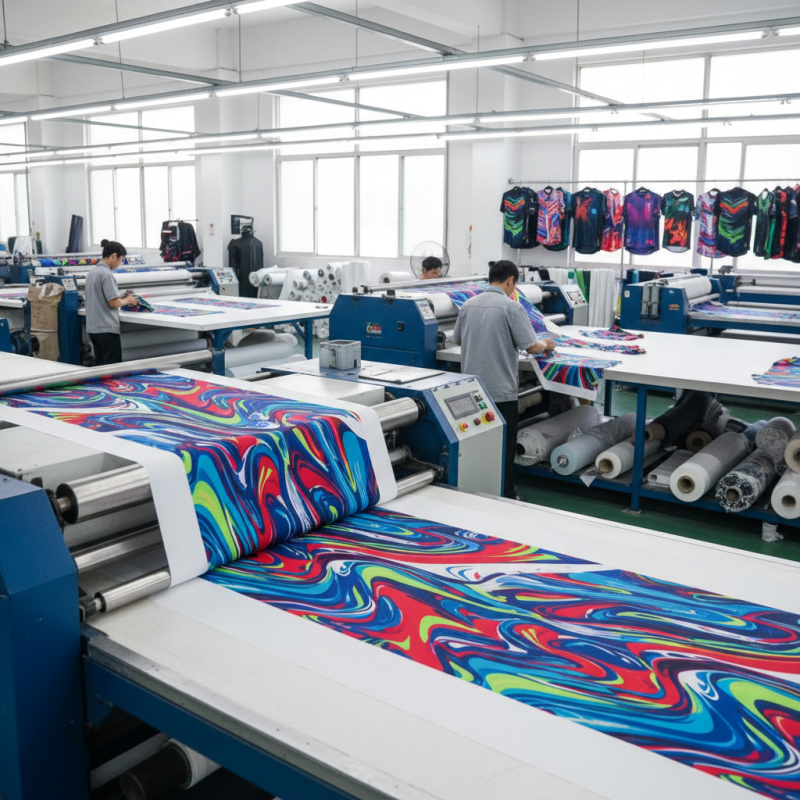
2026 ODM Sportswear Market Overview: Trends and Growth Projections
As we look ahead to 2026, the ODM sportswear market is experiencing notable growth. This is driven by rising health awareness and an active lifestyle among consumers. Athletes and fitness enthusiasts are increasingly seeking personalized and high-quality sportswear. The trend towards sustainability is also gaining momentum. Eco-friendly materials are becoming a priority for manufacturers.
Understanding the current trends is essential. Customization remains a significant demand. Consumers want unique designs that reflect their personalities. Innovations in fabric technology are key in enhancing comfort and performance. Keep an eye on smart textiles that may enter the market soon. Features like moisture-wicking and temperature regulation are becoming standard.
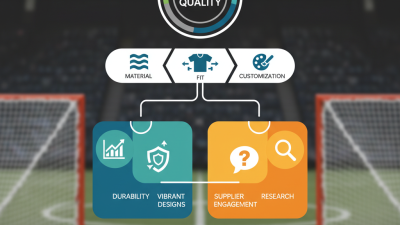
Tips: Collaborate with experienced manufacturers to stay ahead. Research potential suppliers thoroughly. Invest in sustainable practices for a competitive edge. Engage with consumers to gather feedback on designs and materials. This iterative process can lead to better products and happier customers. Acknowledging the need for growth and improvement is vital in this fast-evolving industry.
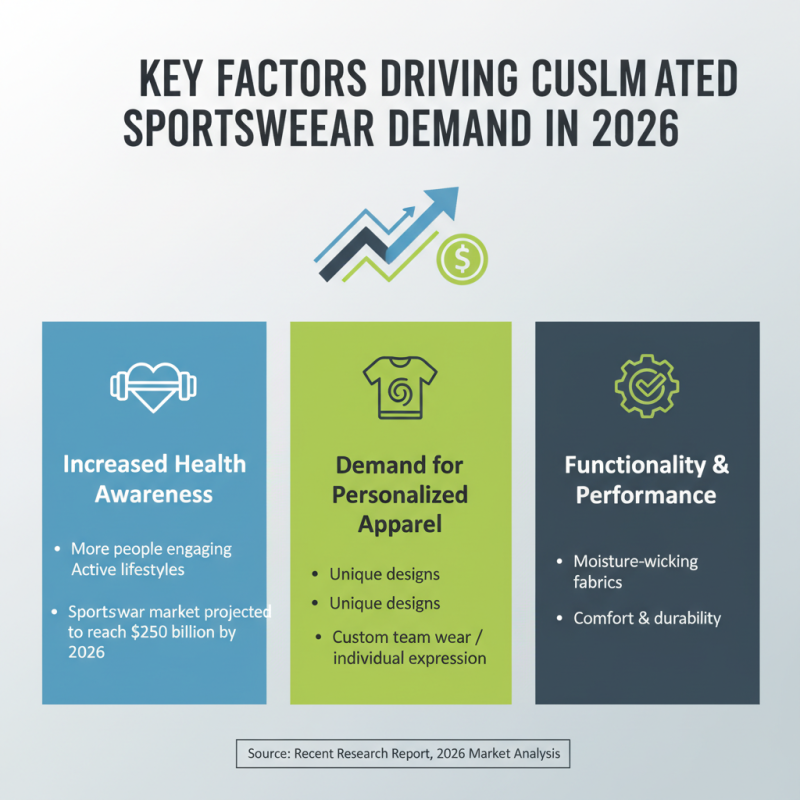
Key Factors Driving Custom Sublimated Sportswear Demand in 2026
The demand for custom sublimated sportswear in 2026 is influenced by several key factors. A recent research report indicates that the sportswear market is expected to reach $250 billion by 2026, driven by increased health awareness among consumers. As more people engage in fitness activities, the need for personalized apparel rises. This trend reflects a desire for unique designs and functionality.
Customization in sportswear allows individuals to express personal style while maintaining high performance. However, it poses challenges for manufacturers. Many factories must adapt quickly to changing consumer preferences. A report shows that 60% of consumers prefer customized options that fit their unique needs. This signifies a shift in the market. Global Leading Adult Sportswear Factory must stay agile to meet these demands.
Another factor contributing to growth is the rise of team sports and recreational activities. As organizations seek distinct uniforms, sublimation technology fulfills this requirement effectively. However, this also highlights the pressure on production timelines. Factories need to manage demands without compromising quality. The balance between speed and craftsmanship will be crucial as the market evolves.
Understanding the Sublimation Process in Custom Sportswear Manufacturing
Sublimation is a key technique in custom sportswear manufacturing. It transforms dye into gas, allowing it to bond with fabric fibers. This process creates vibrant designs, making it essential for dynamic sportswear. Unlike traditional printing, sublimation provides durability. The colors remain brilliant even after numerous washes.
The quality of sublimated garments, however, depends on several factors. Fabric choice plays a crucial role. Polyester blends often yield the best results. Yet, not all polyester is created equal. Some fabrics may not absorb dye effectively, leading to faded or inconsistent designs. Therefore, careful selection and testing are necessary.
While sublimation offers many advantages, challenges exist. Equipment calibration is vital for achieving consistent results. Inexperienced manufacturers might struggle with this. Additionally, environmental conditions, like humidity and temperature, can impact the process. Understanding these variables can help create high-quality sportswear.
Top Materials Used in Custom Sportswear: Performance and Durability
When it comes to custom sportswear, selecting the right materials is crucial. Performance and durability should be top priorities for both manufacturers and customers. One of the standout materials is moisture-wicking fabric. This enables athletes to stay dry during intense workouts, enhancing their overall performance. However, not all moisture-wicking fabrics are created equal. The quality can vary significantly.
Another popular choice is polyester. It offers excellent durability and resistance to wear and tear. This is essential for athletes who frequently wash and wear their gear. Yet, polyester can sometimes feel less breathable than other materials. Balancing comfort and performance can be challenging.
In addition, spandex is often blended with other fabrics to improve stretch and flexibility. This combination can create a perfect fit that moves with the body. However, the sustainability of spandex raises questions. Using synthetic blends might lead to environmental impacts that should not be overlooked. Exploring eco-friendly alternatives might offer better solutions going forward. Athletic wear needs to look good and feel good but also align with sustainable practices.
Market Leaders: Top Custom ODM Sublimated Sportswear Factories
In the competitive landscape of custom ODM sublimated sportswear, understanding market leaders is vital. These factories specialize in combining quality with design innovation. They cater to diverse athletic needs, often customizing items to meet specific performance requirements. Key features include breathable fabrics and moisture-wicking technology, bringing comfort to athletes.
High-Quality Sportswear Outfits Factory often prioritizes sustainability. Many use eco-friendly materials, which reflect a growing trend in the industry. However, not all factories successfully balance design and sustainability. It's essential to scrutinize production processes and materials to ensure environmental compliance and durability. Companies that overlook these aspects may face backlash from environmentally conscious consumers.
When selecting a factory, consider their reputation and past work. Authentic case studies can reveal their capabilities. Engaging with previous clients provides insight into their reliability and customer service. Yet, communication gaps sometimes occur, leading to misunderstandings in expectations. Reflecting on these elements ensures a more informed decision-making process in choosing a partner for sublimated sportswear production.
Consumer Preferences: What Athletes Want in Custom Sportswear
Athletes today are increasingly discerning about the sportswear they choose. A recent study by the National Sporting Goods Association reveals that 67% of athletes prioritize comfort and fit when selecting custom sportswear. This preference indicates a shift towards more personalized experiences in sports apparel. When engaging with High-Quality Adult Sportswear Factories, manufacturers must ensure they meet these expectations to remain competitive.
Moreover, athletes are keenly aware of fabric technology. Over 50% of surveyed athletes highlighted that moisture-wicking and breathability are essential features in their gear. Custom sportswear that incorporates advanced materials not only enhances performance but also boosts overall satisfaction. Additionally, the trend towards sustainability is growing. Athletes now prefer brands that actively pursue eco-friendly practices and materials. Such choices reflect a broader awareness of environmental impact.
Although many factories strive to accommodate these needs, challenges remain. Some factories may struggle with production capabilities that align with evolving consumer demands. A lack of transparency in sourcing materials can also lead to distrust. Athletes value accountability; they want to ensure their sportswear choices reflect their ethics. Engaging with High-Quality Adult Sportswear Factories requires constant adaptation to these shifts in preferences and values.
Sustainability in Sportswear Production: Challenges and Innovations
Sustainability remains a pressing issue in the sportswear industry. Environmental concerns drive innovation. In 2021, 75% of consumers showed a preference for sustainable products, indicating a shift in purchasing behaviors. Yet, many manufacturers struggle to meet these demands. There lies a significant gap between consumer expectations and production realities.
Innovations are crucial. Biodegradable materials and recycled fabrics emerge as key trends. For example, using recycled polyester can reduce energy consumption by up to 50%. Additionally, circular economy models are gaining traction. These approaches encourage brands to reclaim and recycle old garments. However, many China OEM Outdoor Sportswear Suppliers still rely on traditional manufacturing methods.
Transparency poses another challenge. Consumers desire to know the origins of their clothing. Yet, many brands lack the traceability of their supply chains. Reports indicate that only 20% of sportswear brands meet basic sustainability criteria. This indicates a need for improvement and reflection within the industry. Establishing clear and reliable practices can enhance consumer trust while addressing environmental concerns.
Market Insights on Performance Fabrics: The Rise of Sublimated 100% Polyester Ice Hockey Socks with Stripe Design
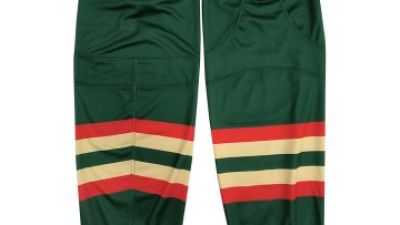
As the demand for high-performance fabrics continues to rise, the spotlight is now on sublimated 100% polyester ice hockey socks, particularly those adorned with vibrant stripe designs. These socks not only enhance game day performance but also provide an avenue for players and fans alike to express their team loyalty. The integration of sublimation technology ensures that the striking colors and patterns remain intact, even through intense games, making them ideal for both athletes and enthusiasts.
One standout option in the market features a deep green mesh fabric that embodies the spirit of the team. It showcases iconic horizontal stripes that wrap around the legs, creating a bold visual statement on the ice. Designed for optimal comfort, these socks include an elastic waist and cuffs that provide a snug yet comfortable fit, allowing players to focus on their game without distractions. Moreover, their lightweight and breathable nature makes them suitable not just for games, but also for casual outings, enabling fans to sport their team colors with pride.
These high-quality ice hockey socks are designed to slip over existing gear effortlessly, combining practicality and style. They represent a perfect blend of durability and team spirit, allowing wearers to take their devotion to a whole new level. Whether on the ice or off, these sublimated hockey socks are an essential addition to any player's or fan's wardrobe.
FAQS
: Increased health awareness among consumers is a major factor. More people are engaging in fitness activities.
It allows individuals to express their personal style while ensuring high performance during activities.
About 60% of consumers indicate a preference for customized options tailored to their needs.
Organizations require distinct uniforms, and sublimation technology effectively meets this demand.
Comfort and fit are prioritized by 67% of athletes in their sportswear choices.
Moisture-wicking and breathability are crucial features that over 50% of athletes want in their gear.
Athletes prefer brands that actively pursue eco-friendly practices and materials due to growing environmental awareness.
Many factories struggle to adapt production capabilities to evolving consumer needs and preferences.
Athletes desire transparency in sourcing materials to ensure their choices reflect ethical standards.
Production timelines are pressured, but quality must not be compromised as the market continues to evolve.
Conclusion
The 2026 ODM Sportswear market is poised for growth, driven by increasing demand for custom sublimated sportswear that meets the performance and aesthetic needs of athletes. Key drivers include advancements in sublimation technology, allowing for vibrant designs and personalized apparel that combine functionality with style. As athletes seek higher performance gear, understanding the sublimation process is crucial in developing durable and efficient sportswear.
In this evolving landscape, manufacturers are focusing on innovative materials that enhance performance while addressing sustainability challenges. Consumer preferences increasingly lean towards environmentally friendly options without compromising quality. As market leaders in custom ODM sublimated sportswear emerge, they will shape industry standards and practices, ensuring that athletes have access to the best gear tailored to their needs.