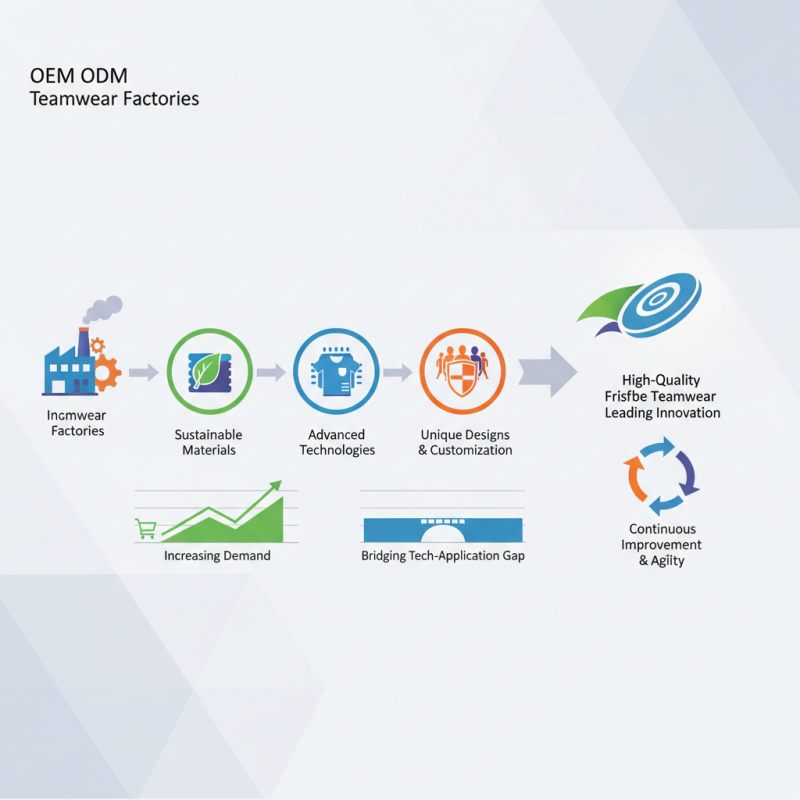
As we gear up for 2026, it’s pretty exciting to see how the teamwear industry is evolving. High-Quality Frisbee Teamwear Factories are really leading the charge when it comes to innovation. They’re putting a big focus on using sustainable materials and cutting-edge tech to craft uniforms that aren’t just functional but also look good. This shift really shows how more and more athletes want gear that’s unique and something they can truly connect with.
But these factories aren’t just about making clothes—they’re about creating an experience for teams. The customization options have really expanded, giving teams the chance to showcase their personalities and identity. That being said, some companies are still finding it tricky to implement these new changes effectively. There’s often a gap between the technological advancements and how they’re actually being used in practice. Luckily, many factory leaders are aware of this challenge and are working hard to close that gap.
Looking ahead, the future of teamwear definitely looks promising, but it’s not without its obstacles. As trends keep changing, factories need to stay flexible and quick to adapt. Keeping up with what consumers want can be a bit overwhelming sometimes, but the High-Quality Frisbee Teamwear Factories seem to be on the right track. Their passion for innovation could really set some industry standards. Still, continuous efforts to improve are essential if they want to truly meet the diverse needs of all kinds of teams out there.
2026 Industry Overview: The Evolution of OEM ODM Teamwear Factories
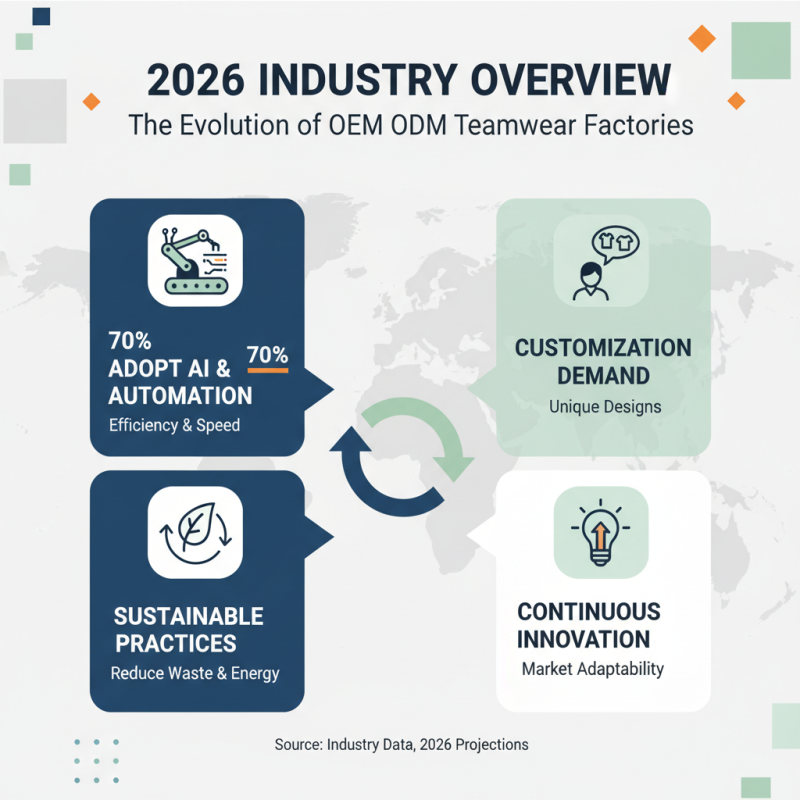
The landscape of OEM ODM teamwear factories is evolving rapidly. Data shows that by 2026, around 70% of manufacturers will adopt advanced technologies like AI and automation. This shift is driven by the need for efficiency and customization. Consumers demand unique designs, pushing factories to innovate continuously. Many factories are integrating sustainable practices into production, aiming to reduce waste and energy consumption.
However, this evolution presents challenges. The pressure to maintain high-quality production while implementing new technologies can strain resources. Some factories may struggle with workforce adaptation to new systems. A report by the Textile Research Institute noted that 58% of manufacturers faced operational issues due to technology integration. It highlights the importance of training for existing staff.
As the industry progresses, the role of a High-Quality Athletic Teamwear Supplier becomes crucial. Suppliers must balance innovation with quality assurance. The trend towards personalized apparel continues to grow, enhancing team identities. Yet, the path forward requires reflection on current practices. Factories must evaluate how they can innovate while ensuring workforce capability and product reliability.
Key Trends in Sustainability and Eco-Friendly Practices for 2026
Sustainability is becoming a central theme for OEM and ODM teamwear factories in 2026. An increasing number of companies are adopting eco-friendly practices. They are sourcing materials from sustainable providers. This shift reflects a growing recognition of environmental issues in the textile industry. Factories are prioritizing recycled fabrics to minimize waste.
Innovations in manufacturing processes are also noteworthy. Waterless dyeing techniques are gaining traction. These methods reduce water usage significantly. Factories are investing in renewable energy sources, further aligning with sustainable goals. However, challenges remain. Transitioning to sustainable practices can be cost-prohibitive for smaller manufacturers. Balancing eco-friendliness and profit margins presents ongoing dilemmas.
Moreover, consumer education on sustainability is essential. Many buyers are still unaware of the benefits of eco-friendly teamwear. This gap hinders the overall movement toward greener practices. Factories must engage with consumers directly. Transparency about material sourcing and production methods can build trust. As awareness grows, these factories will face mounting pressure to innovate continually.
Technological Innovations Driving Efficiency in OEM ODM Production
The OEM ODM industry is undergoing significant transformation driven by technological innovations. Automation has become a key factor in enhancing production efficiency. With robotic systems taking over repetitive tasks, factories can operate faster and reduce human error. However, not all manufacturers can adopt this technology seamlessly. Many still face challenges in integrating advanced systems into their existing workflows.
Data analytics is another powerful tool reshaping OEM ODM production. By analyzing trends, factories can optimize their supply chains. Predictive analytics helps manufacturers anticipate demand and adjust their inventory accordingly. Yet, relying too heavily on data can lead to oversights. Factories must balance data-driven decisions with human insight to remain agile in a fluctuating market.
Sustainability is also at the forefront of innovations. Many manufacturers are exploring eco-friendly materials and energy-saving techniques. This shift not only appeals to eco-conscious consumers but also helps reduce operational costs. However, the transition to sustainable practices is not easy. Companies often grapple with the initial investment and the need for training workers in new methods. Embracing these innovations is crucial, yet it requires careful planning and execution.
Consumer Preferences: Customization and Personalization in Teamwear
Customization and personalization are reshaping the teamwear industry, especially within OEM and ODM factories. A recent report highlighted that 75% of consumers prefer personalized teamwear options. This shift emphasizes the need for manufacturers to adapt swiftly to evolving consumer demands.
Many consumers appreciate unique designs that reflect personal style or team spirit. They desire garments that stand out in a crowd. This trend is a response to a growing desire for individuality. Global Custom Lax Teamwear Manufacturers are now offering advanced customization features. These include unique prints, colors, and even the option for players to add their names.
Tips: Consider engaging with consumers through interactive platforms. Offer virtual design tools that allow users to visualize their customized products. Encourage feedback to refine your offerings continuously. Reflecting on these changes can provide valuable insights into market trends, ensuring manufacturers stay competitive.
The Role of Smart Fabrics and Wearable Technology in Teamwear
In recent years, the integration of smart fabrics and wearable technology has transformed the teamwear industry. Athletes now seek gear that not only looks good but also enhances performance. Smart fabrics can monitor vital signs such as heart rate and body temperature. This data allows athletes to optimize their performance during training and competitions.
When designing teamwear, manufacturers should consider incorporating features like moisture-wicking and temperature regulation. These qualities enhance comfort, especially during intense physical activity. Also, the inclusion of reflective materials improves visibility during night training.
Tips for manufacturers: Engage with athletes to gather feedback on functionality. Testing prototypes in real-world scenarios can lead to better designs. Dare to experiment with new materials, but stay aware of the limitations they might bring. Balancing innovation with practicality is the key to success in this evolving market.
Data-Driven Decision Making: Leveraging Analytics in Manufacturing
Data-driven decision-making is revolutionizing the landscape of manufacturing. In 2026, analytics will be pivotal in guiding OEM and ODM teams in the teamwear sector. A recent report by McKinsey indicates that companies utilizing data analytics can improve their operational efficiency by up to 20%. This shift enables manufacturers to respond swiftly to market demands. By analyzing customer preferences, they can create targeted designs that resonate with specific audiences.
High-Quality Dart Teamwear Manufacturer are particularly benefiting from these innovations. The implementation of predictive analytics allows manufacturers to forecast trends accurately. Using real-time data, they can adjust production schedules, reducing waste and overstock. Moreover, data analytics helps in understanding the effectiveness of advertising campaigns, leading to better resource allocation.
However, reliance on data should not overshadow the importance of creativity and intuition in design. Embracing a data-driven approach also brings challenges. The accuracy of the data collected is crucial. If data sources are flawed, the resulting decisions may be misguided. Companies must regularly evaluate their data collection methods. Balancing quantitative insights with qualitative feedback is essential for true innovation. As the industry progresses, a thoughtful integration of analytics will be necessary for sustainable growth.
Emerging Markets and Their Impact on OEM ODM Teamwear Growth
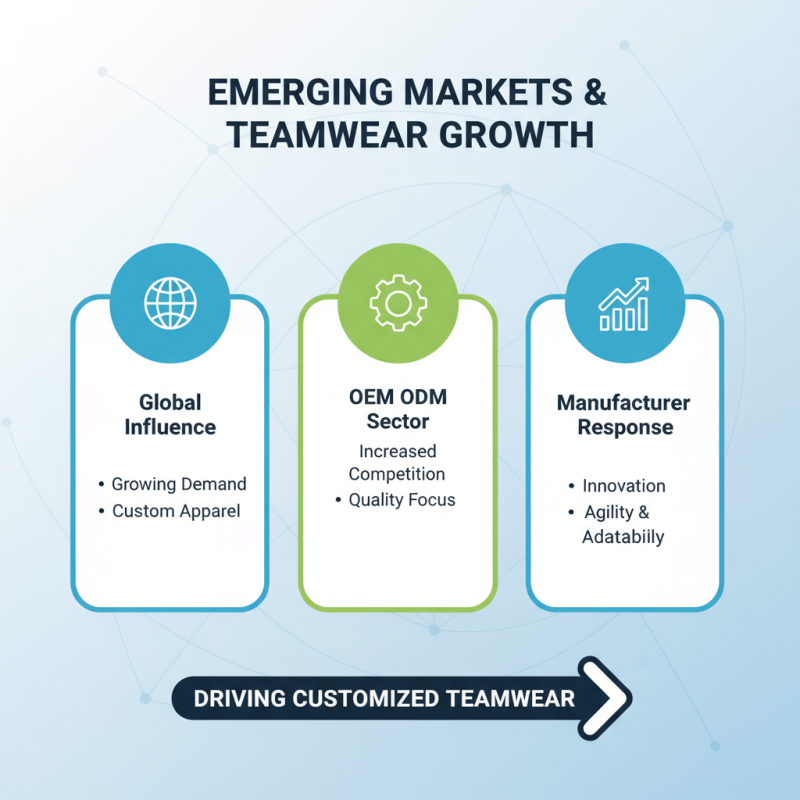
Emerging markets are increasingly influential in the OEM ODM teamwear sector. These markets demonstrate a growing appetite for customized and high-quality apparel. As competition intensifies, many manufacturers are exploring innovative strategies to appeal to diverse customer needs. The dynamics of these markets often require agility and an adaptive approach.
One crucial factor driving growth is the increasing demand for performance fabrics. Customers seek durable materials that offer comfort and breathability. In addition, regional designs and cultural elements are becoming essential. This shift encourages manufacturers to collaborate closely with local designers and teams.
Tips for success in these markets involve strategic partnerships. Collaborate with local influencers to create authentic designs. Stay updated on the latest fabric technologies to meet evolving preferences. Engaging with consumers through social media can provide valuable insights.
Choosing High-Quality Lax Teamwear Manufacturers is vital for maintaining brand reputation. Ensure that the manufacturers adopt sustainable practices. Regular quality checks are important to meet global standards. This meticulous attention to detail separates leading brands from the rest. Embracing feedback and continuously refining products can enhance consumer loyalty.
Exploring the Growth of Custom Cricket Apparel: Insights from the 2023 Global Sportswear Market Report
The custom cricket apparel market is witnessing significant growth, driven by increasing demand for personalized sporting gear among players and enthusiasts. The recent 2023 Global Sportswear Market Report highlights this trend, showcasing a shift towards customizable options that cater to individual preferences. One standout product in this category is the fully customizable sublimated cricket shirt, designed to meet diverse size and design requirements.
Made from premium 100% polyester, this cricket shirt excels in breathability and moisture-wicking properties, ensuring comfort for players during intense matches. Its design allows for a perfect fit, accommodating all sizes, including plus sizes, making it accessible for a wider audience. Moreover, to alleviate concerns about quality, a 7-day sample option is available, enabling customers to assess the product before committing to mass production. This level of customization not only enhances player identity on the field but also contributes to a growing culture of personalized sports apparel.
As the sportswear market evolves, the embrace of custom cricket apparel reflects a broader trend of individual expression through athletic wear. This evolution marries functionality with style, leading to an array of options for teams and players seeking to elevate their game while showcasing their unique brand. The insights from the latest market report paint an encouraging picture for the future of customized sporting garments.
FAQS
: Technological innovations, especially automation, are significantly improving production efficiency.
Robotic systems are taking over repetitive tasks, enabling faster operations and reducing human error.
No, many face challenges when trying to adopt advanced systems into their existing workflows.
It helps optimize supply chains by analyzing trends and predicting demand accurately.
Yes, overdependence can lead to oversights, so a balance with human insight is necessary.
They are exploring eco-friendly materials and energy-saving techniques to reduce costs and appeal to consumers.
Initial investments and training workers in new methods can be significant hurdles.
75% prefer personalized options that allow for unique designs reflecting their style or team spirit.
They can use interactive platforms and virtual design tools to visualize customized products.
It helps refine offerings and keep pace with changing market trends, ensuring competitiveness.
Conclusion
The OEM ODM teamwear industry is poised for significant transformation in 2026, driven by a blend of sustainability, technological innovation, and evolving consumer preferences. As sustainability becomes a paramount concern, factories are adopting eco-friendly practices that prioritize resource conservation and waste reduction. Technologies such as smart fabrics and wearable technology are revolutionizing how teamwear is designed and experienced, providing opportunities for customization and personalization that cater to individual consumer tastes.
In addition, the integration of data-driven decision-making enhances operational efficiency in production processes. Emerging markets are also playing a critical role in the growth of the OEM ODM teamwear sector, presenting new opportunities for manufacturers. By embracing these trends and innovations, manufacturers can not only meet the rising demand for unique and sustainable teamwear but also enhance their competitive advantage in a rapidly evolving marketplace.