By 2026, the sublimated lacrosse shirt is turning into way more than just team gear. It’s now part of identity, mobility, and long-term brand value. Players want fabric that feels light, graphics that stay sharp, and colors that don’t fade after a few washes. Coaches, meanwhile, need shirts that can handle constant washing, travel, and hard contact.
Mark Millon, founder of Millon Lacrosse and a well-respected lacrosse educator, put it like this: 'The game is about creating opportunities.' That same mindset works for apparel design. A smart shirt should let players move freely without distraction. It should show off team character without drowning them in graphics.
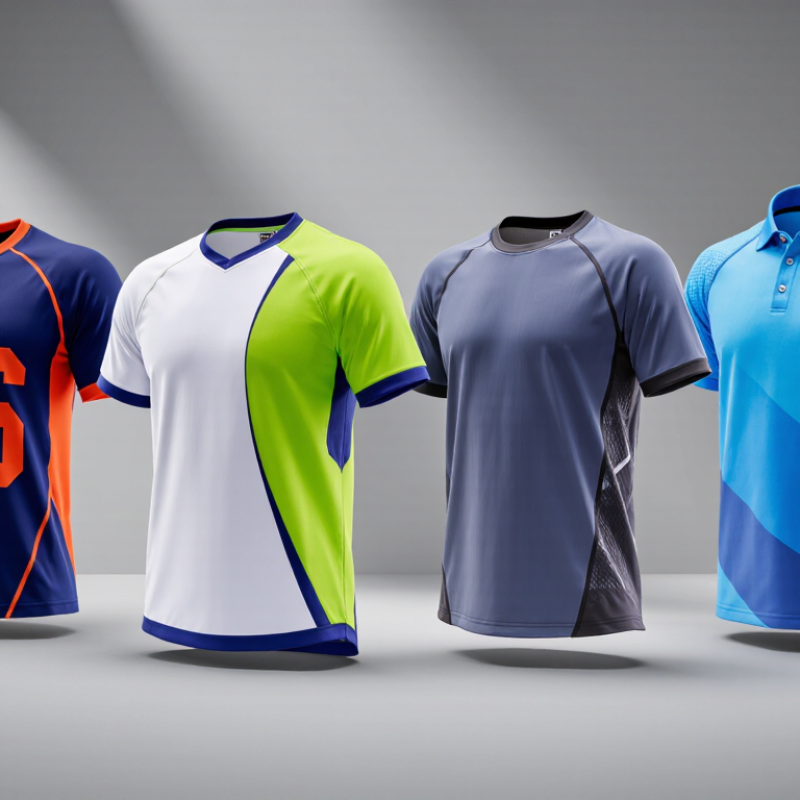
This guide looks at some of the top 2026 sublimated lacrosse shirt types. Performance crew-neck jerseys are still a solid choice for competitive teams. Reversible pinnies make quick changes easy during training and tournaments. Goalie-cut shirts give a roomier fit for protective gear. Lightweight polo styles are getting more attention for travel days, clinics, and club events. And some teams might go for hybrid shirts with mesh panels, reinforced seams, or UV-resistant fabric.
Design details really matter. A deep navy base can make bright orange numbers pop. Breathable side panels help cut heat around the ribs. Full sublimation lets you add gradients, sponsor marks, and detailed patterns without heavy layers on the surface. That said, not every bold idea works in motion. Tiny lettering can vanish from the sideline. Reflective effects sometimes look weaker than you’d expect.
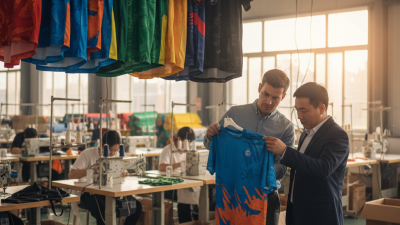
A professional supplier—like a China ODM Sublimated Polo Shirt Factory—can help teams test fabric weight, sizing, color accuracy, and sample durability. Even so, buyers should still check production samples closely. Price alone won’t tell you much. The best pick balances comfort, visual clarity, manufacturing consistency, and realistic performance expectations. This overview probably won’t answer every design question, but it should give you a practical starting point for making better decisions.
A sublimated lacrosse shirt is defined by how its design enters the fabric. Heat turns dye into gas, bonding the color with polyester fibers instead of placing ink on top. The result feels smooth, resists peeling, and supports detailed graphics across the sleeves, chest, and back. In 2026, reliable shirts commonly use lightweight polyester, moisture management, and stretch panels for unrestricted shooting motion. Yet fabric weight still matters. Very thin material may dry quickly, but it can feel less protective during rough practice sessions.
Reversible game shirts remain a practical choice for teams needing two colors in one garment. Their inner and outer panels should align cleanly around the armholes and side seams. Lightweight training shirts suit conditioning, warmups, and summer camps, while ventilated versions use mesh zones beneath the arms and along the back. Goalie-focused cuts may offer extra room through the shoulders, though they should not restrict quick arm movement. Fit is technical, not merely visual.
A dependable shirt should keep numbers readable after repeated washing and maintain shape during contact. Check the collar, sleeve opening, and lower hem before ordering a full team set. Those areas often expose weak construction. Recycled polyester is appearing more often, but sustainability claims need verified material information. I would not treat every “eco” label as proof of better performance. The best 2026 choice balances dye durability, airflow, stretch, sizing accuracy, and the demands of the player’s position.
Full-sublimation jerseys begin with a digital pattern, not sewn fabric. Designers map sponsor areas, numbers, collars, and side panels before printing. The artwork must extend beyond every cut line. Otherwise, white edges may appear after sewing. This detail is easy to miss.
Designers usually select lightweight polyester because it accepts dispersed dyes under heat. Textile Exchange’s Materials Market Report 2024 estimates polyester represented about 57% of global fiber production in 2023. That scale supports broad fabric availability, but performance still depends on knit structure. A good lacrosse shirt needs airflow, stretch, and stable color after repeated washing.
The best 2026 shirt types will likely include lightweight V-necks, reinforced reversible jerseys, and streamlined polo-style training tops. Full sublimation allows complex gradients without adding heavy patches. It also keeps numbers integrated into the fabric surface. Testing should include moisture management under AATCC TM195, colorfastness after washing, and abrasion resistance at the shoulder seams. Those checks make the design more credible.
China ODM Sublimated Polo Manufacturers can support custom pattern development, but specifications must remain measurable. Request fabric weight, composition, shrinkage, seam strength, and test results. I would not trust a bright sample alone. It may look excellent under showroom lighting, yet fail after one season of hard contact. Lacrosse demands practical judgment, and some design choices still need real field testing.
Reversible sublimated lacrosse shirts are becoming a practical choice for clubs, schools, and tournament teams. The SFIA 2024 Topline Participation Report recorded about 1.5 million U.S. lacrosse participants in 2023. That scale increases demand for flexible team uniforms. One shirt can provide two color layouts. Players simply turn it inside out before the next game.
The design is more than convenient. Sublimation places color into the fabric, rather than adding a heavy surface layer. This helps preserve sharp numbers after repeated washing and intense movement. A player can wear black during home games, then switch to white on the road. Mesh panels can improve airflow around the shoulders and sides. The fit still matters, though. A reversible shirt that feels bulky may slow movement during a close defensive play.
Industry uniform research also emphasizes personalization and shorter production cycles as major custom-apparel trends. That explains the appeal of digital sublimation for changing rosters. Names, numbers, and sponsor-free team graphics can be adjusted without separate sewn patches. A High-Quality Sublimated Jersey Supplier should provide color testing, fabric specifications, and wash-test evidence. These details are easy to overlook. I would still request a physical sample before ordering, because screen colors can appear surprisingly different from actual fabric.
Custom team sublimated shirts do more than display colors. They create a shared visual identity before players enter the field. In team fittings, I have seen athletes stand taller when their names, numbers, and sleeve patterns fit correctly. That reaction matters. It builds recognition and confidence.
The most effective 2026 shirt types include lightweight performance tops, reversible game jerseys, and long-sleeve training shirts. Each option supports a different team routine. Breathable fabric helps during intense midfield drills. Reversible designs simplify alternate uniforms. Long sleeves add comfort during cool evening practices. A reliable High-Quality Sublimated Shirts Supplier should provide accurate sizing, color consistency, and durable stitching around the collar and shoulders.
Details deserve careful testing. The number must remain readable when a player bends or carries a stick. The print should not crack after repeated washing. Ask for a digital proof and a physical sample before approving a full order. Our first sample once felt too warm, despite its attractive design. We changed the fabric blend and reduced heavy paneling. It was not perfect, but the adjustment improved movement. Teams should also review player feedback, because coaches may value durability while athletes notice fit, weight, and skin comfort first.
For 2026, top sublimated lacrosse shirt types focus on lightweight performance. Common options include breathable mesh shirts, fitted practice jerseys, reversible game tops, and lightweight long-sleeve layers. Sublimated designs place color inside the fabric, reducing heavy surface prints that can crack or peel. The result feels smoother against the skin during repeated contact.
A strong performance shirt usually combines polyester knit fabric with small ventilation zones. These panels can sit beneath the arms, along the ribs, or across the upper back. Moisture moves away from the skin and dries faster during intense drills. The shirt should also stretch across the shoulders without pulling when players cradle or shoot. Fit matters more than many buyers expect.
I noticed this during outdoor training. A loose shirt allowed better airflow, but excess fabric caught on equipment. A tighter cut reduced movement when the material lacked stretch. That balance remains difficult. Lightweight fabric can also feel less durable after rough washing. Manufacturers, including a Global Custom Sublimated Hoodie Factory, should test seam strength, color stability, and drying time before production. Players should check fabric weight, collar comfort, and sleeve movement rather than judging designs alone. Small details matter.
In 2026, top sublimated lacrosse shirts will be defined less by flashy graphics and more by material choices. Full-dye polyester remains essential because sublimation bonds color into synthetic fibers. Recycled polyester can reduce dependence on virgin feedstock. Textile Exchange’s 2024 Materials Market Report states that recycled polyester represented about 15% of global polyester production in 2023. However, nearly all recycled polyester came from post-consumer bottles. That is progress, not a complete circular system.
The strongest 2026 shirt types will likely include lightweight recycled-polyester mesh, ventilated pin-dot jerseys, and reversible practice shirts. These formats use airflow zones, flat seams, and lower fabric weights. Designers should request supplier evidence, including recycled-content certificates, colorfastness tests, and wash-durability results. A 2024 UNEP assessment links textiles with 2–8% of global greenhouse-gas emissions. That figure makes every production choice relevant. Lower-impact dyes and water-conscious finishing can help, but claims need measured boundaries. “Eco-friendly” alone proves nothing.
Mono-material construction may improve future recycling, yet elastic trims, labels, and mixed mesh complicate sorting. The trade-off is real. A durable shirt can outperform a cheaper recycled shirt if it survives several seasons. Teams should test shoulder abrasion, odor retention, seam strength, and print clarity after repeated washing. One weakness remains: sublimation favors polyester, so natural fibers cannot simply replace it. Better design may mean fewer replacements, repairable panels, and documented take-back routes. Not every sustainable option wins.
| 2026 Shirt Type | Recommended Sustainable Fiber Construction | Typical Fabric Weight | Typical Recycled Content | Sublimation Performance | Key Performance Features | Sustainability Consideration |
|---|---|---|---|---|---|---|
| Lightweight Performance Tee | 100% recycled polyester interlock or mini-pique | 120–160 g/m² | 50–100% | Excellent; polyester accepts disperse dyes used in heat-transfer sublimation | Low weight, quick drying, broad all-over graphic coverage | Recycled polyester can reduce reliance on virgin petroleum feedstock; verify recycled content through chain-of-custody documentation. |
| Ventilated Mesh Jersey | Recycled polyester warp-knit or engineered mesh | 100–150 g/m² | 50–100% | Excellent when the fabric has a white or light polyester base | High air permeability, fast moisture evaporation, reduced heat buildup | Open structures may reduce fabric usage, but durability and snag resistance should be tested before long-season use. |
| Reversible Two-Sided Jersey | Double-layer recycled polyester with low-impact trims | 170–230 g/m² | 50–100% | Excellent on both printable polyester faces; requires accurate registration | Two team designs in one garment, increased coverage, durable structure | A reversible design can extend product use across games, but the extra material increases total garment weight and fiber demand. |
| Stretch Compression Shirt | Recycled polyester blended with 10–20% elastane | 160–220 g/m² | 40–90% of the polyester portion | Very good; stretch recovery and heat-setting must be controlled during printing | Close fit, muscle support, abrasion resistance, reduced fabric movement | Elastane improves fit but complicates fiber recycling; mono-material designs are generally easier to sort and recycle. |
| Long-Sleeve UV Training Shirt | Recycled polyester jersey with a tested UV-protective construction | 130–190 g/m² | 50–100% | Excellent; dense white polyester bases provide consistent color reproduction | Sun coverage, moisture management, seasonal versatility | Longer sleeves can increase product versatility and use frequency; UV claims should be supported by standardized fabric testing. |
| Youth Growth-Fit Jersey | Lightweight recycled polyester with reinforced seams | 120–170 g/m² | 50–100% | Excellent; digital artwork can cover panels without additional sewn-on graphics | Lightweight comfort, easy care, extended sizing through adjustable construction | Adjustable hems and durable stitching may extend wear as children grow, reducing replacement frequency. |
| Bio-Based Polyester Jersey | Partially or fully bio-based polyester, depending on certified polymer content | 130–180 g/m² | 0–100%; bio-based and recycled content are different measures | Excellent when the polymer is polyester and the fabric is prepared for sublimation | Comparable moisture management and color performance to conventional polyester | Bio-based feedstock can reduce fossil-resource dependence, but agricultural sourcing, land use, and verified content must be evaluated. |
| Low-Waste Panel-Cut Jersey | Recycled polyester engineered around digital pattern nesting | 130–190 g/m² | 50–100% | Excellent; panel artwork can be digitally positioned before cutting | Customized fit, reduced offcut potential, efficient full-panel graphics | Digital nesting can reduce cutting waste, although actual savings depend on pattern layout, size range, and production controls. |
Data note: Fabric weights and fiber-content ranges are typical apparel specifications rather than universal requirements. Sublimation is most reliable on polyester-based fabrics; final colorfastness, UV protection, recycled content, and end-of-life claims should be confirmed through product-specific testing and documentation.
Designers create a digital pattern before cutting fabric. The artwork extends beyond every cut line. Small detail. Otherwise, white edges may appear after sewing.
Lightweight polyester is common because it accepts dye under heat. The knit structure should provide airflow, stretch, and stable color after washing.
Likely options include lightweight V-necks, reversible jerseys, breathable practice shirts, and long-sleeve training layers. Polo-style tops may also suit structured practice sessions.
One shirt provides two color layouts. Players can turn it inside out before another game. This reduces uniform changes and storage needs.
They can. Extra fabric may restrict movement during defensive plays. A well-designed shirt needs breathable panels and controlled thickness.
The color enters the fabric instead of sitting on top. Numbers feel smoother and are less likely to crack or peel during washing.
Common locations include beneath the arms, along the ribs, and across the upper back. These areas can improve airflow during intense drills.
Request fabric weight, composition, shrinkage, seam strength, and wash-test results. Ask for a physical sample. Screen colors can be surprisingly inaccurate.
Loose cuts improve airflow but may catch on equipment. Tight cuts feel controlled but can restrict shooting. This balance is not perfect.
Check moisture management, washing colorfastness, seam abrasion, drying time, and shoulder strength. A bright sample alone proves very little.
In 2026, a Sublimated Lacrosse Shirt is defined by vibrant, durable designs that become part of the fabric rather than sitting on its surface. Full-sublimation jerseys allow teams to create detailed patterns, personalized colors, names, and numbers without adding heavy layers. Reversible sublimated shirts are especially popular because they offer two designs in one garment, making them practical for training, tournaments, and quick team changes. Custom team sublimated shirts also strengthen player identity by creating a unified visual style and highlighting each athlete’s role within the team.
The leading shirt types also focus on performance and responsibility. Lightweight performance lacrosse shirts help players stay comfortable by supporting airflow, moisture management, and freedom of movement during intense play. At the same time, sustainable materials are shaping new 2026 options, with greater attention to recycled fibers, efficient production, long-lasting color, and reduced textile waste. Together, these developments make modern sublimated lacrosse apparel more functional, distinctive, adaptable, and environmentally conscious.