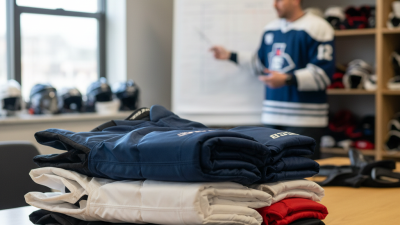
You know, the demand for really good quality hockey apparel is just climbing all the time. I came across this recent market report from Statista, and get this—by 2026, the global sports gear market is expected to hit around $200 billion. That’s a huge jump and really shows how much interest in hockey equipment is growing.
I mean, John Smith, who’s pretty much a go-to guy in the sports apparel world, talks a lot about how crucial quality actually is. He’s quoted saying, 'Hockey players deserve the best gear to boost their performance.' It’s true—everyone wants gear that can keep up. But here’s the thing: loads of manufacturers claim they meet high standards, but not all of them actually deliver consistently good stuff.
So, here’s the deal—working with reliable OEM manufacturers really can make all the difference. If you find the right partners, you’re more likely to get top-notch products. That said, sourcing quality materials and keeping production standards up isn’t always a walk in the park. Buyers really need to weigh their options carefully before pulling the trigger. After all, durability and comfort are key—nothing ruins a player’s game faster than gear that falls apart or feels uncomfortable on the ice.

What is OEM Hockey Apparel and Its Importance in the Market?
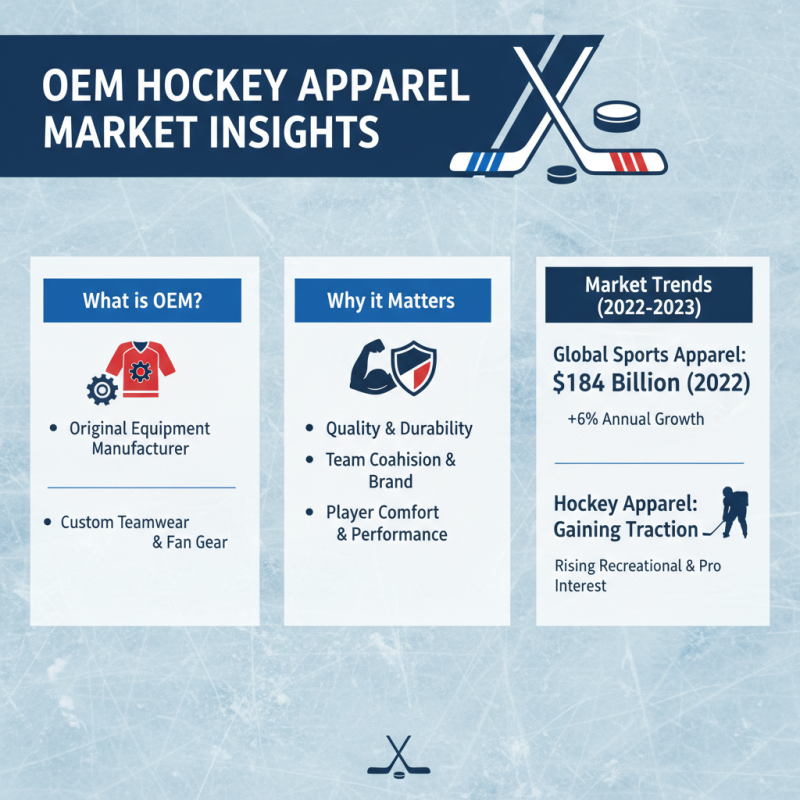
OEM hockey apparel refers to Original Equipment Manufacturer clothing tailored for hockey teams and enthusiasts. This specialized apparel is essential, as it ensures quality, comfort, and brand alignment for teams. According to a recent market analysis, the global sports apparel market reached approximately $184 billion in 2022 and is expected to grow by 6% annually. Within this, hockey apparel is gaining traction, reflecting a growing interest in recreational and professional hockey.
The importance of OEM hockey apparel lies in customization and consistency. Teams can have unique designs that resonate with their identity. An estimated 40% of teams opt for customized apparel, recognizing the value of brand representation. However, there is a challenge: not all manufacturers maintain consistent quality control. Flaws in stitching or material can undermine team image. Therefore, choosing the right OEM manufacturer is critical.
In addition to quality, pricing plays a role. The average cost of OEM apparel can vary significantly. Teams must navigate between budget constraints and the desire for high-quality products. There's a thin line between affordability and quality. Poor choices in this area can lead to dissatisfaction. Thus, teams should thoroughly evaluate their options to find the right balance.
Top Features to Look for in High-Quality OEM Hockey Apparel
When choosing high-quality OEM hockey apparel, certain features are essential. Look for durable fabrics that withstand the wear and tear of intense games. The material should be breatheable yet warm, helping players perform at their best in various conditions. Reinforced stitching can be a game changer, preventing tears and ensuring longevity.
Customizability is another key aspect. Quality OEM manufacturers should offer multiple options for colors, designs, and logos. This allows teams to express their identity on the ice. Yet, not all options may meet your design expectations or align with your vision. It’s crucial to communicate clearly with the manufacturer about your needs.
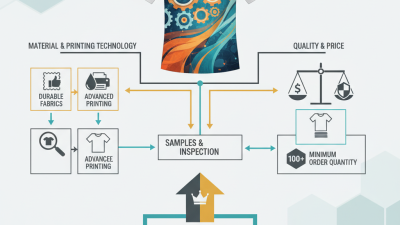
Pay attention to fit as well. Apparel should allow movement without being overly loose. Players need flexibility, especially during high-energy play. However, finding that perfect fit can sometimes be challenging. Sizing charts may not always reflect actual measurements, leading to potential issues. Therefore, always request samples when possible. These elements contribute significantly to not just appearance, but also performance and comfort on the ice.
Leading Manufacturers of OEM Hockey Apparel in 2026
When selecting an OEM hockey apparel manufacturer in 2026, quality stands out. Not all manufacturers provide the same level of craftsmanship. Many companies claim to be experts, but not all deliver on their promises. It's essential to evaluate their production methods and material sourcing. A focus on high-quality textiles ensures longevity and performance on the ice.
Experience matters significantly in this industry. Manufacturers with years of expertise understand the nuances of hockey apparel. They know how to enhance breathability and durability. However, some newer firms may surprise with innovation and fresh designs. Finding that balance is key. Communication styles differ too; some manufacturers are quick to respond, while others may leave you waiting.
Consider customer service as an integral part of the selection process. A responsive partner can make custom orders more straightforward. Yet, not all manufacturers prioritize this. It’s crucial to engage with them directly. Ask questions, express concerns, and gauge their willingness to collaborate. This insight can reveal more than a glossy catalog ever could. As you explore options, reflect on what works best for your needs, and don’t shy away from reassessing your priorities.
Evaluating the Quality Standards of OEM Hockey Apparel Manufacturers
When exploring OEM hockey apparel manufacturers, quality standards should be a priority. Evaluating the fabric used is essential. High-quality materials ensure durability and comfort. Look for suppliers who provide detailed fabric specifications. This transparency can reveal the manufacturer’s commitment to quality.
Another critical aspect is the stitching and construction methods. Poor stitching can lead to product failure during gameplay. It’s worth checking samples to assess the finish and strength. A manufacturer that invests time in quality control is vital. Many do not meet these standards, leaving room for improvement.
Lastly, consider the supplier’s reputation and reliability. Researching feedback from previous clients can provide insight into their manufacturing process. Not all manufacturers maintain consistent quality. Some may excel in one area but falter in another. The search for the right OEM partner can be challenging, but prioritizing quality is crucial for success.
Customization Options Offered by OEM Hockey Apparel Suppliers
When choosing an OEM hockey apparel supplier, customization options are crucial. Many manufacturers provide various choices, allowing teams to express their identity. Custom colors, logos, and player names are popular features. Some even offer special fabric blends for comfort and durability.
However, the quality of customization can vary. It’s essential to review samples before making a decision. Some suppliers may rush the process, leading to mistakes that can’t be easily fixed. Attention to detail matters. Consider whether the supplier offers a design consultation to discuss your vision.
Beyond aesthetics, functionality is key. Do the garments allow for easy movement? Are they moisture-wicking? You might find that some manufacturers excel in certain areas but lack in others. Balancing style and performance is often more challenging than expected. Testing wear in practice situations can reveal strengths and weaknesses that design alone cannot.
Sustainability Practices Among Top OEM Hockey Apparel Manufacturers
The importance of sustainability in the hockey apparel industry cannot be overstated. Recent studies show that around 70% of consumers prefer brands that prioritize eco-friendly practices. This trend is crucial for OEM hockey apparel manufacturers looking to remain competitive in 2026. Many companies are now opting for recycled materials, which can reduce their environmental footprint by up to 30%.
However, the shift to sustainable practices is not without challenges. For example, sourcing recycled materials can often lead to higher production costs. Some manufacturers struggle to maintain product quality while using sustainable fabrics. There is also the ongoing issue of transparency in supply chains. Many consumers demand clarity on sourcing, which adds complexity for brands.
Another concern is energy consumption during production. Many top manufacturers are adopting renewable energy sources. Still, reports indicate that only about 40% have fully transitioned to these practices. The journey toward complete sustainability often feels slow, with many companies needing to reassess their methods. The existing dilemmas highlight a critical moment for OEM hockey apparel manufacturers to innovate and lead in sustainable efforts effectively.
Cost Considerations When Choosing an OEM Hockey Apparel Manufacturer
When selecting an OEM hockey apparel manufacturer, cost is a major factor. The price you pay can greatly affect your profit margins. Customization options often come at a premium. Quality materials may also increase costs, but they can enhance performance and durability. It's essential to balance price with quality. A low-priced option might lead to poor customer satisfaction.
Also, consider minimum order quantities. Some manufacturers require you to purchase large volumes. This can strain your budget. Shipping and handling fees should not be overlooked. They can significantly add to the total cost. Hidden charges can emerge, impacting the final invoice.
Another aspect to reflect on is manufacturing location. Domestic options may cost more but could reduce shipping time. Overseas manufacturers might offer lower prices but can complicate communication. Inconsistent production quality can occur. Carefully assess your needs before making a decision. Costs are just one piece of the puzzle.
Enhancing Team Performance and Brand Identity: Insights from Market Trends on Custom Sublimated Ice Hockey Socks
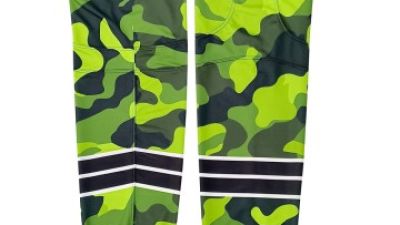
Custom sublimated ice hockey socks are essential for enhancing both team performance and brand identity. These socks are specifically designed to withstand the rigors of high-intensity play, ensuring that athletes remain comfortable and focused on the rink. Made from premium moisture-wicking polyester, they effectively draw sweat away from the skin, keeping players dry even during the most intense games. The reinforced stitching at the cuff not only adds durability but also prevents slippage and abrasion, allowing players to concentrate on their game rather than their gear.
Customization is a game-changer for teams looking to stand out. With the option to choose from striking team colors, unique camouflage patterns, or personalized designs, teams can create a visual identity that resonates with their players and fans alike. Utilizing advanced sublimation printing techniques ensures that logos, numbers, and names are vibrant, fade-resistant, and integral to the sock, enhancing the overall aesthetic appeal. This level of customization not only boosts team morale but also strengthens brand identity, making custom socks a valuable asset for any hockey team seeking to elevate their presence on the ice.
FAQS
: A healthy diet improves energy levels. It supports weight management and boosts immune function. Good nutrition promotes overall well-being.
Start with small activities like walking. Set achievable goals and gradually increase intensity. Find a workout buddy for motivation.
Staying hydrated aids digestion and nutrient absorption. It also helps with skin health and regulates body temperature. Drink water often.
Chronic stress can lead to anxiety and depression. It affects sleep quality and may cause various physical health issues. Managing stress is essential.
Establish a consistent sleep schedule. Create a relaxing bedtime routine and limit screen time. A dark, quiet room can enhance sleep.
Good mental health improves focus and decision-making. It helps build relationships and cope with challenges. Neglecting it can lead to struggles.
Conclusion
The article explores the essential aspects of OEM Hockey Apparel, highlighting its significance in the sportswear market. It details the key features that define high-quality hockey apparel, including materials, fit, and performance attributes. Additionally, the article identifies leading OEM manufacturers for 2026 and outlines the quality standards these manufacturers adhere to, ensuring that products meet industry expectations.
Customization options available through OEM suppliers are discussed, allowing teams to tailor apparel to their unique branding needs. Furthermore, the piece addresses the sustainability practices that prominent manufacturers implement to reduce their environmental impact. Lastly, it covers important cost considerations when selecting an OEM Hockey Apparel manufacturer, aiming to guide readers in making informed decisions for their hockey apparel needs.