Let’s be real—picking the best sublimated shirts for 2026 isn’t just about grabbing the loudest colors you can find. Sure, that shirt might look amazing on the product page, but after a few washes it can end up feeling heavy or just completely lose its shape. So what actually matters? Fabric, fit, how well the print covers the shirt, and the overall production quality. And this isn’t a tiny niche either—Grand View Research put the global custom T-shirt printing market at $5.1 billion in 2023, and they expect it to keep growing through 2030. I mean, that broader market covers a bunch of different printing methods, so it’s useful context—but honestly, it’s not a direct read on sublimation shirt sales, if that makes sense.
Here's a practical test from textile-printing expert Dr. Mark Liu: don't judge a shirt under those flattering showroom lights. Wear it for a full day first. That's not just some quote to frame — treat it like an actual buying rule. Does the fabric breathe? Do the seams sit smoothly across your shoulders? And do the printed areas still feel okay against your skin? The little things are what tell you the truth.
Honestly, the best choice really depends on what you're using them for. Team uniforms need sizing that's reliable and colors that stay consistent. But if it's event shirts, you might care more about bold artwork and getting them done fast. Either way, don't forget to ask suppliers about fabric composition, how they handle color matching, sample approval, and care instructions before you place an order. Honestly, any high-quality sublimated shirts supplier worth your time should be able to answer those questions clearly — and they should offer a sample you can actually get your hands on. Because here's the thing: no single shirt is going to work for everyone, and comparing specs online will only get you so far. You really have to feel the fabric yourself to know if it's the right fit.
What Sublimated Shirts Are and How the Printing Process Works
Sublimated shirts are garments decorated by transferring dye into synthetic fibers, usually polyester. Unlike a surface layer of ink, the color becomes part of the fabric’s fibers. That can leave the shirt smooth to the touch. The method works best on white or light-colored material, because sublimation does not add opaque white ink to cover a dark base. Fabric choice matters: a shirt with too little polyester may show softer color or less crisp detail.
The process begins with artwork printed in reverse onto transfer paper using sublimation dye. The paper is positioned against the shirt, then heat and pressure turn the dye into gas. The gas enters the polyester fibers and bonds as the fabric cools. Timing, temperature, pressure, and alignment all affect the result. The process sounds simple; setup is where mistakes hide. A misplaced seam or uneven press can leave a visible shift in a large design.
For a custom order, ask what fabric blend will be used and request a sample when color accuracy matters. A Global Custom Sublimated Shirts Factory should be able to explain its material and print checks clearly. Expect colors to vary slightly between a digital preview and finished fabric; screens and textiles render color differently. That detail is easy to overlook. Check the actual shirt under natural light before approving a full run.
What Are the Best Sublimated Shirts for 2026?
Sublimation printing works best on polyester because the dye bonds with polyester fibers. These example fabric blends show how much polyester different shirt constructions contain; they are not performance ratings.
For bright, consistent sublimation color, choose a shirt made from 100% polyester or a high-polyester blend. Cotton-rich fabrics generally do not retain sublimation dye as effectively. Results also depend on the fabric and printing settings.
Which Fabrics and Shirt Styles Suit Sublimation Best
For vivid, edge-to-edge prints, choose a smooth, light-colored polyester shirt. Sublimation dyes bond with polyester under heat, so cotton-heavy fabrics usually produce muted results. The Textile Exchange Materials Market Report 2024 estimated polyester represented 57% of global fiber production in 2023. That figure signals broad material availability, not guaranteed print quality. Fabric construction still matters. Smooth jersey gives fine artwork clean edges, while interlock offers a denser feel. Mesh can work well for sports shirts, though its tiny holes may interrupt detailed graphics. Small details count.
Style affects both print coverage and comfort. Short-sleeved crew-neck tees suit large front and back designs; raglan seams can disrupt artwork across the shoulders. For all-over prints, check the sewing pattern and ask whether panels are printed before assembly. A High-Quality Sublimated Shirts Factory should be able to explain its fabric weight, polyester content, and sample-testing process. Request a washed sample, then inspect color, seams, and hand feel. One trade-off is easy to miss: high-polyester shirts can feel warm or slick, depending on knit and finish. I would not choose by print brightness alone. A good shirt must also feel right during actual wear.
How to Compare Print Quality, Fit, Comfort, and Durability
What Are the Best Sublimated Shirts for 2026?
How to Compare Print Quality, Fit, Comfort, and Durability
A good sublimated shirt should look sharp up close, not only in a product photo. Check fine lines, small text, and color transitions for blur or uneven patches. Sublimation bonds color with suitable fibers, so the fabric itself affects the result. Compare shirts made from similar materials and inspect them in natural light. Deep colors can look different on screen.
Fit changes how a design appears and how long you want to wear it. Check the size chart, shoulder seams, and body length. A shirt that feels smooth in the hand may still cling during movement. If possible, try a sample and lift your arms, sit, and walk. Small details matter.
Tips: Wash a sample inside out, then check for fading, distortion, or rough seams. Follow the care label. Compare the same artwork across options; otherwise, print and fabric differences can be hard to separate. One test is not proof of long-term wear, though. Keep that in mind when weighing comfort against durability.
What to Look for in Sublimated Shirts for Different Activities
The best sublimated shirts for 2026 depend on what you will do in them, not just how the print looks. Sublimation works best on polyester-rich fabric, where the design becomes part of the material rather than sitting as a thick layer on top. For running, look for a light shirt with smooth seams and enough airflow across the back. A snug fit can reduce fabric movement, but too-tight sleeves may rub during longer sessions. Small details matter.
For team sports, prioritize freedom of movement, durable stitching, and a fit that stays comfortable during quick turns.
Hikers may prefer a slightly looser cut and fabric that feels comfortable under backpack straps; test that combination if you can. For casual wear, a softer hand feel may matter more than the lowest possible weight. Check the care label, too, since heat and rough washing can affect the garment over time.
There is no perfect choice for every activity. A bright print can catch your eye, yet the collar or fit may still annoy you after an hour. Fit still wins.
How to Choose Sublimated Shirts for Teams, Events, and Everyday Wear
Choosing sublimated shirts starts with the way people will wear them. For teams, check that the fabric stretches comfortably and keeps its shape during practice. Event shirts may need lighter material for warm afternoons and long hours outdoors. For everyday wear, a soft hand feel matters more than a dramatic finish. Small details count.
Ask about fabric weight, size measurements, and color matching before approving a large order. A printed sample can reveal whether fine lines stay clear and whether colors look different under indoor lighting. Sublimation works best on suitable polyester fabrics, but fabric blends can affect the final appearance. Test the shirt in motion, too. A good-looking sample on a table may feel restrictive when someone raises their arms.
When comparing suppliers, request clear production timelines, sample policies, and quality checks. A China ODM Sublimated Polo Shirt Factory may offer custom patterns, but confirm what “custom” includes, such as collar options, labels, and minimum quantities. Get measurements in writing. One common mistake is choosing a size chart without comparing it to a shirt people already like. That seems minor. It can create a box of shirts nobody reaches for. I’d also reconsider overly busy artwork; it can obscure team names from a few steps away.
What Customization Options and Design Features Are Available
For 2026, the best sublimated shirts are the ones that balance bold artwork with a comfortable fit. Sublimation works especially well on polyester-rich fabric, where dye becomes part of the material rather than sitting on top. Designs can extend across the front, back, sleeves, and side panels. Teams can personalize names, numbers, colors, and small emblems. Small details matter. Ask for a digital proof showing how artwork aligns across seams. A graphic that looks centered on a screen may shift when the shirt is assembled.
Customization can also include collar shape, sleeve length, fit, and fabric weight. Choose breathable material for outdoor events, and request a fabric sample if texture matters. Color previews are useful, but screen colors may differ slightly from the finished garment. There is a catch. Extremely thin lines and tiny lettering can lose clarity when printed on textured fabric. I would not assume every shade will look identical across different fabric batches. A careful order includes a proof, clear placement notes, and a quick check of sizing before production.
How to Select the Best Sublimated Shirt for Your Needs in 2026
To select the best sublimated shirt for your needs in 2026, start with its real use. A weekend team jersey has different demands from a staff polo worn through long shifts. Note the activity, local climate, and how often the shirt will be washed. Small details matter.
For warm-weather play, compare lightweight polyester options and check whether the fabric feels comfortable against your skin. For cooler conditions, a denser knit may offer more coverage, though it can feel warmer during movement. Ask for a size chart with garment measurements, not just labels such as “regular fit.” Shoulder seams should sit neatly, and the hem should stay in place when you raise your arms. Try a sample, if possible.
Print appearance is only part of the decision. Examine seams, collar shape, and color consistency, then follow the care instructions for washing. One useful check is to wash a sample several times and look for changes in fit or color. It is not a perfect test. When comparing China ODM Sublimated Polo Manufacturers, ask about fabric specifications, sample approval, sizing tolerances, and production checks. Clear answers make comparisons more reliable, but vague promises deserve a second look. A shirt that looks excellent in a product image may feel stiff or run small in person.
Custom Quick-Dry Hockey Jerseys: Insights from Grand View Research’s Sports Apparel Market Report
Sports apparel market research highlights growing interest in clothing that combines performance, comfort, and personal style. For hockey teams, quick-dry jerseys meet practical needs during demanding games and training: lightweight, breathable fabric helps players stay comfortable, while moisture-wicking properties support a cooler feel. A relaxed fit and durable stitching allow unrestricted movement and stand up to repeated use, making these jerseys suitable for clubs, tournaments, and team practices.
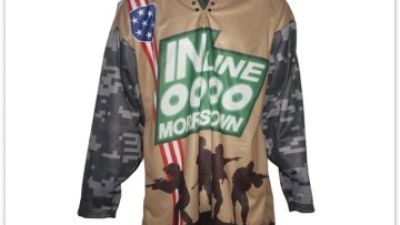
A military-inspired camouflage pattern with patriotic graphics gives the jersey a distinctive look, while customization makes it easier for teams to create a unified identity. Add custom logos, player names, and numbers to personalize each order, with a low minimum order quantity that can accommodate smaller clubs and promotional events. Vibrant sublimation printing keeps the design crisp and helps prevent colors from fading or peeling through regular wear. Together, functional fabric, flexible customization, and expressive design reflect the broader appeal of sports apparel that works hard on the ice and feels specific to the team wearing it.
FAQS
Polyester-rich fabric usually works well because the design becomes part of the material. Feel the fabric against your skin; some options can still feel stiff.
Choose a lightweight shirt with smooth seams and airflow across the back. A snug fit can limit fabric movement, but tight sleeves may rub during longer runs. Small details matter.
Look for freedom of movement, durable stitching, and a comfortable fit during quick turns. A shirt can look great but still feel awkward in motion.
A slightly looser cut may feel better under backpack straps. Try the shirt with your pack if possible. Fit still wins.
Lightweight fabric may feel more comfortable during warm-weather activity. A denser knit can provide more coverage in cooler conditions, but may feel warm while moving.
Compare garment measurements, not only labels like “regular fit.” Check that shoulder seams sit neatly and the hem stays in place when you raise your arms. Try a sample.
Check color consistency, seams, and collar shape. Wash a sample several times and look for changes in fit or color. It is not a perfect test.
Follow the care label, since heat and rough washing can affect the garment over time. One wash may not reveal much, so check it again later.
Conclusion
Sublimated Shirts are designed to bring colorful, lasting graphics together with comfortable, practical wear. This guide explains how sublimation printing works and why fabric choice matters, with attention to suitable materials and shirt styles. It also outlines how to assess print clarity, fit, breathability, comfort, and durability so you can compare options beyond appearance alone.
The right shirt depends on how and where you plan to wear it, whether for sports, team activities, events, or everyday use. Consider the activity, desired fit, and care needs, along with available customization options such as colors, patterns, and design placement. By weighing these factors against your priorities and budget, you can choose a sublimated shirt that suits your needs in 2026.