Picking the best sublimated shirts in 2026? It’s not just about flashy artwork or the lowest price. These days, buyers dig into fabric weight, color consistency, how well the print holds up in the wash, delivery reliability, and whether production is responsible. Grand View Research puts the global custom T-shirt printing market at billions of dollars, and it’s expected to keep growing through 2030. That growth opens doors. It also makes a lot of noise.
Dye sublimation still has appeal because the design actually becomes part of the polyester fibers. The surface stays smooth, even over big graphics. A sharp team jersey should have clean numbers, breathable panels, and color that stays put after repeated washing. But not every vivid print lasts. Poor fabric, weak heat control, or wrong color profiles can lead to fading, ghosting, or uneven edges. That brightest sample? It might still disappoint after five washes.
David Gross, a well-known dye-sublimation educator and industry speaker, puts it this way: 'The substrate is just as important as the ink.' That’s worth paying attention to. A reliable High-Quality Sublimated Shirts Supplier should be upfront about fabric composition, printing standards, sample procedures, and quality inspections. It should also say whether production uses recycled polyester or conventional materials. Transparency matters.
Smithers’ textile printing research points to digital production as an ongoing growth area, especially for personalized and short-run products. That trend makes on-demand sublimated shirts easier to order, but quality comparisons are still far from perfect. Product photos can hide thin fabric and weak stitching. Real testing is better. This guide looks at leading options through print detail, comfort, construction, color stability, customization flexibility, and supplier credibility. Some rankings may shift as technology improves. That’s the honest limitation.
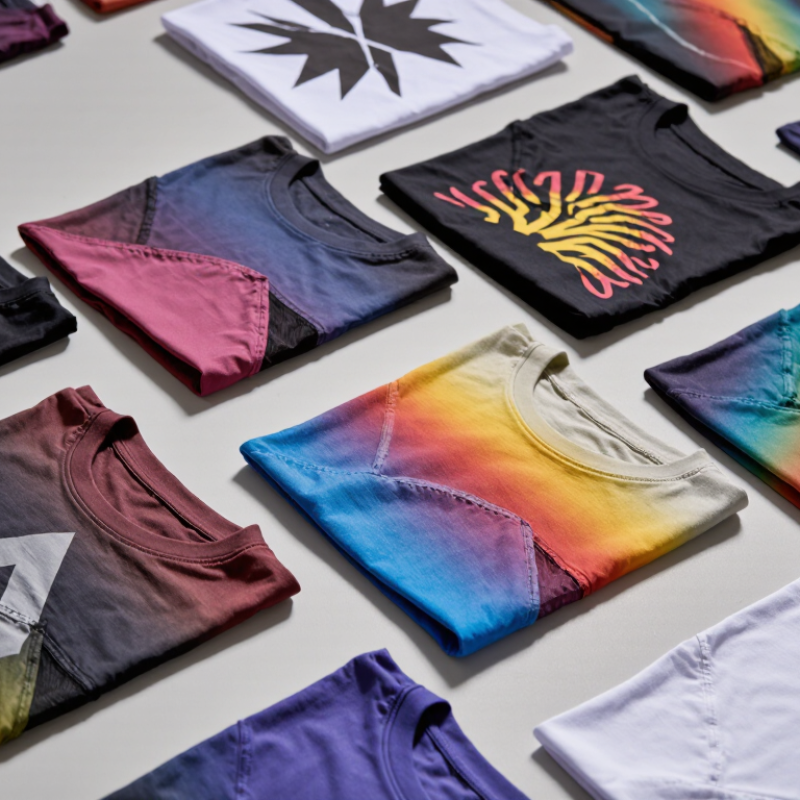
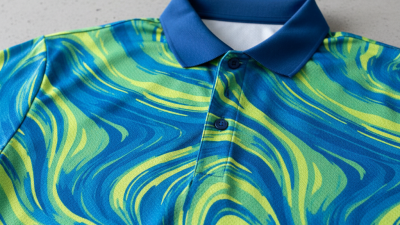
Sublimated shirts are polyester garments printed through heat, pressure, and specialized dye. Unlike screen printing, sublimation does not place a thick layer on top. Heat turns the ink into gas, allowing it to bond with the fabric fibers. The result feels smooth, with no raised graphic under your fingertips. The colors can appear vivid, especially on white or light polyester.
A practical production process begins with a high-resolution design and properly prepared fabric. The transfer paper must align precisely with the shirt. Small shifts can blur thin lines or create pale edges. A Global Custom Sublimated Shirts Factory may use controlled temperature, pressure, and timing to improve consistency. However, settings vary with fabric weight and equipment. Around 180–210°C is common, but testing remains necessary. It is not a magic formula.
The best sublimated shirts in 2026 should balance color accuracy, breathability, fit, and wash performance. A quality shirt should keep its shape after repeated cleaning and feel comfortable during movement. Polyester works well for sportswear because it dries quickly, though some people dislike its synthetic texture. Sublimation is also limited on cotton and dark garments. I would not judge quality by brightness alone. Check seam strength, fabric feel, print alignment, and care instructions. Even an attractive sample can hide weak stitching. That detail deserves attention.
Choosing the best sublimated shirt in 2026 starts with the fabric, not the artwork. A dependable shirt usually uses tightly knitted polyester with a smooth, even surface. Textile Exchange’s Materials Market Report 2024 states that polyester represented about 59% of global fiber production in 2023. That scale supports broad material access, but it does not guarantee comfort or quality. Touch the fabric. Check its stretch, weight, and inside seams.
Print performance matters just as much. Sublimation should penetrate the fibers instead of sitting heavily on top. Ask for wash-test evidence, colorfastness results, and production samples under daylight. Grand View Research estimated the global custom T-shirt printing market at approximately 4.3 billion dollars in 2023, with continued growth expected through 2030. More suppliers will enter the market. Quality claims may become less consistent. A High-Quality Sublimated Shirts Factory should explain its testing process clearly, not hide behind attractive mockups.
Fit deserves equal attention. Measure the chest, shoulder width, and sleeve opening before ordering bulk quantities. A vivid print cannot rescue a shirt that twists after washing. I have seen sizing charts look accurate, yet the finished garment felt noticeably smaller. That mistake is easy to overlook. Also inspect white areas, because uneven fabric tension can create faint shadows. The “best” shirt is rarely the cheapest option; it is the one that remains comfortable, stable, and visually clean after repeated wear.
What Are the Best Sublimated Shirts in 2026?
Top Sublimated Shirt Materials and Fabric Options
For bright, detailed sublimation, 100% polyester remains the most dependable fabric. Its fibers accept disperse dyes during heat transfer, creating smooth color without a heavy surface layer. I prefer polyester interlock for everyday shirts because it feels stable, soft, and less transparent. A 140–180 GSM weight often balances comfort and print clarity. Lightweight mesh works better for training, but its open texture can slightly soften fine graphics.
Polyester blends can work, though results become less predictable. A shirt with 60% polyester may produce a softer, faded appearance. That effect can look attractive, but it will not match a fully saturated design. Recycled polyester is another practical option. It can print well, yet each fabric batch may react differently to heat. Always test a small swatch. It prevents expensive surprises.
Fabric construction affects the final experience. Brushed polyester feels warm and smooth, while dry-fit knits move moisture away from the skin. For casual wear, a cotton-feel polyester fabric offers a more natural touch. However, some coatings reduce dye penetration and create uneven areas. I once judged fabric only by its softness and overlooked shrinkage after washing. That was a costly mistake. Check color accuracy, stretch recovery, seam comfort, and wash performance before approving a full production run. Pure white fabric usually gives the strongest color depth. Light gray can create a muted, intentionally imperfect result.
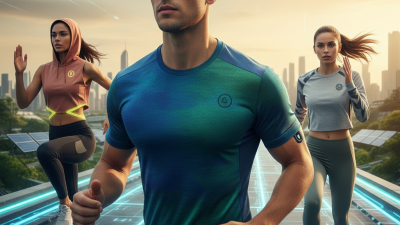
The best sublimated shirts balance comfort, color stability, and purpose. For sports, choose lightweight polyester with moisture management and four-way stretch. A 140–160 GSM fabric often feels breathable during running or training. Check seam placement, because rough side seams can irritate skin after two hours. No shirt is perfect.
For events, full-color sublimation supports detailed graphics without heavy surface buildup. This matters for volunteer teams, school groups, and outdoor festivals. Grand View Research valued the global custom T-shirt printing market at approximately $4.3 billion in 2023. Its projected growth also reflects stronger demand for personalized apparel. Still, bright artwork can look different under indoor lighting. Request a physical sample before ordering hundreds. Event shirts should also use colorfast fabric and consistent sizing across the production batch.
Everyday wear needs a softer hand feel and a less aggressive athletic cut. A polo with a structured collar can move from casual meetings to weekend activities. Allied Market Research reported the global sports apparel market at about $181.9 billion in 2022, showing the category’s broad commercial reach. When sourcing, ask a China ODM Sublimated Polo Shirt Factory about fabric testing, wash durability, shrinkage, and print alignment. I would also inspect the inside label and collar stitching. Small details reveal production discipline. My own hesitation is simple: a lower price can hide weaker fabric recovery or uneven grading. Test three washes, not just one.
| Shirt Type | Best Use | Typical Fabric | Fabric Weight | Moisture Management | Typical UPF | Print Coverage | Key Advantage | Main Limitation |
|---|---|---|---|---|---|---|---|---|
| Lightweight Performance Tee | Running, training, school teams, and hot-weather events | 100% polyester interlock or lightweight knit | 110–140 g/m² | Fast drying; high airflow when loosely fitted | UPF 15–30 | Full front, back, and sleeve sublimation | Lightweight comfort and low heat retention | Can feel less substantial and may show body contours |
| Athletic Interlock Tee | Team sports, fitness classes, and regular outdoor activity | 100% polyester interlock with moisture-wicking finish | 140–170 g/m² | Very good wicking with balanced airflow | UPF 30–50 | Full garment coverage with sharp color reproduction | Best overall balance of comfort, durability, and appearance | Slightly warmer than lightweight construction |
| Athletic Mesh Tee | Football, cycling, field sports, and high-intensity training | 100% polyester mesh or micro-mesh | 120–160 g/m² | Excellent ventilation and rapid evaporation | UPF 15–30, depending on openness of the mesh | Full sublimation; texture can slightly soften fine details | Maximum airflow during strenuous activity | Lower opacity and less protection from wind or cold |
| Midweight Everyday Tee | Casual wear, clubs, travel, and branded event merchandise | Polyester jersey or soft-touch polyester blend with a high polyester content | 160–190 g/m² | Moderate wicking; comfortable for daily use | UPF 30–50 | Best results on polyester-rich white or light-colored fabric | Soft hand feel and more structured everyday appearance | Less breathable than dedicated sports constructions |
| Heavyweight Sublimated Tee | Streetwear, cooler weather, premium event apparel, and layering | Dense polyester knit or heavyweight polyester blend | 190–230 g/m² | Moderate; designed more for structure than cooling | UPF 30–50 | Large-area designs with strong color depth | Durable feel, better opacity, and strong shape retention | Warmer, heavier, and less suitable for intense exercise |
| Recycled-Polyester Performance Tee | Eco-conscious teams, conferences, festivals, and active lifestyles | Post-consumer recycled polyester, usually 100% | 140–180 g/m² | Good wicking and drying performance, depending on knit design | UPF 30–50 | Full sublimation with high polyester content | Combines performance features with recycled fiber content | May have a slightly different texture and higher production cost |
Note: Specifications are typical ranges for sublimation-ready polyester garments in 2026. Actual performance varies by fabric construction, fit, finishing treatment, garment color, and care instructions.
The best sublimated shirts in 2026 balance fit, print quality, durability, and comfort. Textile Exchange’s Materials Market Report 2024 states that polyester made up 59% of global fiber production in 2023. That matters because polyester accepts sublimation ink deeply, rather than holding it only on the surface.
Fit should be checked across the shoulders, chest, sleeve opening, and hem. A shirt can look sharp on a mannequin but twist during movement. I prefer a smooth collar, moderate shoulder ease, and a hem that stays level when seated. Comfort depends on fabric weight, yarn construction, and moisture management. A 150–180 gsm polyester knit often feels lighter for warm use, while denser fabric gives better shape retention. Still, weight alone is not enough.
Print quality needs close inspection under bright light. Fine lines should remain clean, with no shadowing around letters or badges. The Global Recycling Foundation reports that recycled polyester can reduce energy use compared with virgin polyester, but sourcing and processing still affect results. Durability should be tested through AATCC TM61 accelerated laundering procedures, checking fading, cracking, collar recovery, and seam distortion. China ODM Sublimated Polo Manufacturers should provide wash-test records, color specifications, and fabric composition before bulk production. My own mistake was judging softness before washing. The fabric felt excellent initially, yet the collar weakened after repeated cycles. That weakness was easy to miss.
Selecting the right sublimated shirt starts with the fabric, not the artwork. Choose tightly knitted polyester with a smooth surface and consistent weight. Polyester matters because Textile Exchange’s 2024 Materials Market Report placed it at about 57% of global fiber production in 2023. This supports its wide use in sportswear and dye-sublimation printing. For training, a lightweight 140–160 GSM shirt can feel cooler. For repeated washing, a denser 180–220 GSM fabric usually feels more stable.
Check the print before judging the color. A reliable sublimated shirt should show sharp edges, even gradients, and no pale patches near seams. The Digital Textile Printing Market report by Grand View Research estimated the market at about 2.75 billion dollars in 2023. It also projected strong growth through 2030. That growth does not guarantee quality. It only shows rising demand. Ask for a wash-test sample, then inspect it after five cycles. Look for fading, fabric twisting, and cracking around the collar.
Fit requires practical testing. Measure the chest, shoulder width, and body length of a shirt you already wear. Do not trust size labels alone. Some cuts run narrow through the arms. Others hang too loosely at the waist. I have learned that color accuracy can distract from poor comfort. A bright print cannot fix scratchy fabric. My own judgment can still be wrong, especially when photos hide the texture.
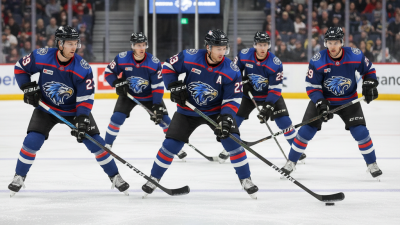
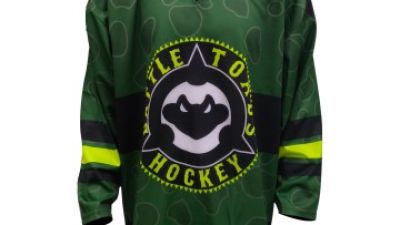
Custom adult full-sublimated ice hockey jerseys are designed to combine durable performance with a distinctive team identity. Made from 100% breathable polyester mesh, these jerseys help improve airflow and comfort during intense practices, competitive games, and fan events. The moisture-wicking fabric draws sweat away from the skin, helping players stay dry and focused. A bold green color scheme can be customized with your team mascot, logo, colors, and artwork through a durable, fade-resistant sublimation print that remains vibrant through repeated use and washing.
Built for demanding action, each jersey features reinforced stitching for added strength and long-lasting wear. Stitched numbers and decorative details provide a professional appearance while making player recognition easier on the ice. Standard unisex sizes are available for convenient team ordering, while custom measurements can be provided for a more personalized fit. Whether creating coordinated uniforms for a local club, tournament squad, school team, or supporter group, these personalized hockey jerseys offer flexible styling and reliable comfort. Custom names, numbers, sleeve designs, and team graphics allow every player and fan to wear apparel that reflects a shared identity.
It is a polyester shirt printed with heat, pressure, and special dye. The ink becomes gas and bonds with fabric fibers. The surface stays smooth.
100% polyester usually gives the clearest and brightest results. Polyester interlock feels stable and comfortable for daily wear. A 140–180 GSM weight often balances softness and print detail.
Sublimation works best on white or light-colored polyester. Cotton and dark fabrics usually produce weaker or limited results. The limitation matters.
Choose 140–160 GSM for lightweight training shirts. Choose 180–220 GSM for greater stability and repeated washing. Open mesh feels cooler but may soften fine graphics.
Check print alignment, seam strength, fabric feel, and collar comfort. Look for pale edges, blurred lines, and uneven areas near seams. Bright color alone proves little.
Request a sample and wash it five times. Inspect fading, twisting, collar changes, and fabric shrinkage. A small swatch can prevent expensive mistakes.
Many processes use about 180–210°C. The correct setting depends on fabric weight, equipment, pressure, and timing. There is no magic formula.
Measure the chest, shoulders, and body length of a shirt you already wear. Do not rely only on size labels. A vivid design cannot fix a narrow sleeve or scratchy fabric.
Sublimated Shirts are garments made by infusing dye directly into fabric fibers, creating vibrant designs that become part of the material rather than sitting on top of it. This process allows for detailed graphics, full-color patterns, smooth surfaces, and long-lasting prints that resist cracking or peeling. When choosing the best option in 2026, consider fabric composition, breathability, moisture management, stretch, stitching quality, fit, and overall comfort. Polyester-based materials are commonly preferred because they support sharp color transfer and perform well during active use.
The ideal Sublimated Shirts depend on how and where they will be worn. Lightweight, moisture-wicking styles suit sports and outdoor activities, while comfortable, well-fitted options work for events, teams, casual wear, and daily use. Compare print clarity, color consistency, durability after washing, fabric softness, sizing accuracy, and freedom of movement before making a decision. By balancing performance, appearance, comfort, and intended use, shoppers can select a shirt that remains attractive, functional, and dependable throughout 2026.