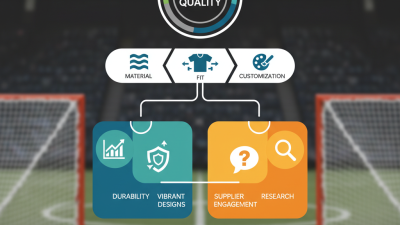
In the super competitive world of t-shirt biz, finding quality products is a total must. Mark Smith, who’s been around the block in the apparel game, always says, “You should never sacrifice quality just to save a buck.” Honestly, his advice hits home because, when brands are trying to survive in the global market, picking the right suppliers can really make or break everything.
When it comes to choosing t-shirts, durability is key. Most folks go for cotton or blends, but honestly, it’s all about feeling the fabric—how heavy it is and how it feels to wear. Comfort matters, for sure, but also think about the fit, style, and prints—these things really influence whether a customer loves or hates a shirt. Imagine someone returning a shirt because it just didn’t live up to their expectations—that’s why you gotta be careful when sourcing.
And then there's logistics—sometimes shipping delays can mess up your entire sales schedule. It’s so important to vet your suppliers, making sure they’re reliable and quick to respond. Even seasoned brands hit bumps in the road. Taking the time to rethink your sourcing approach can really help you step up your game and consistently deliver high-quality t-shirts that your customers will love.

Understanding Global Sourcing for T-Shirts
Understanding global sourcing for t-shirts requires attention to several key elements. The global t-shirt market was valued at approximately $35 billion in 2022, with a projected growth rate of around 6% annually. This growth emphasizes the need for companies to strategically source their apparel while maintaining quality and ethical standards.
When sourcing t-shirts, fabric selection is crucial. Cotton remains a popular choice, accounting for over 50% of t-shirt materials. However, the rise of sustainable fabrics, like organic cotton and recycled polyester, is gaining traction. Brands are increasingly looking for suppliers who prioritize eco-friendly practices. Data shows that consumer demand for sustainable apparel increased by 20% last year, reflecting changing preferences among buyers.
In addition to materials, understanding supply chain reliability is vital. Ethical sourcing, transparency, and adherence to labor standards must not be overlooked. Research indicates that 50% of consumers consider a brand’s ethical practices when making a purchase. Brands should assess suppliers not just on costs but also on their commitment to positive labor practices and environmental sustainability. Balancing cost and responsibility is a challenge worth exploring in global sourcing of t-shirts.
Best T-Shirts for Global Sourcing - What to Look For?
| Material |
Weight (gsm) |
Fit |
Sourcing Region |
Eco-Friendly Options |
| 100% Cotton |
180 |
Regular |
Asia |
Yes |
| Cotton-Polyester Blend |
200 |
Slim |
North America |
No |
| Bamboo |
160 |
Loose |
Europe |
Yes |
| Recycled Polyester |
180 |
Regular |
Asia |
Yes |
| Organic Cotton |
150 |
Standard |
South America |
Yes |
Key Characteristics of Quality T-Shirts
When searching for quality t-shirts, consider the fabric. Cotton is a popular choice, known for its softness and durability. However, varying blends can impact the feel. Each blend offers something unique. Look for combed cotton or organic cotton for a premium touch. These fabrics often enhance comfort and wearability.
Stitching techniques are another crucial aspect. Double-stitched seams provide additional durability. They ensure the shirt withstands daily wear. Inspecting the hem is essential too. A neatly finished hem prevents fraying and preserves shape. Quality control matters, especially when sourcing in bulk.
Fit and style also play vital roles. A good t-shirt should fit well across shoulders and chest. It should allow freedom of movement without being too loose. Everyone has different preferences. Some prefer a classic fit, while others lean towards a more modern look. Finally, colors must be rich and consistent, reflecting well on the brand. Each detail can significantly impact the overall impression. This is a complex field that requires attention and experience.
Materials and Fabrics: What to Choose?
When choosing t-shirts for global sourcing, the materials and fabrics are critical.
Cotton is a popular choice. It is soft, breathable, and comfortable to wear. Look for ringspun cotton for a smoother feel. Organic cotton is a sustainable alternative, offering a softer touch while being eco-friendly. However, it may come at a higher cost.
Polyester is another common fabric.
It is durable and resistant to wrinkles. This makes it suitable for athletic wear. Blends of cotton and polyester can provide the best of both worlds. They combine comfort with durability. However, not all blends are equal. The ratio of cotton to polyester can affect the feel and breathability of the fabric.
Consider other materials, such as bamboo or hemp, which are gaining popularity. Bamboo is naturally antibacterial, and hemp is biodegradable. These options appeal to environmentally conscious consumers. But sourcing these materials can be challenging. Before making a final decision, assess your target market and their preferences. Test samples to ensure quality and comfort meet your standards.
Sizing and Fit: Importance in Sourcing Decisions
When sourcing t-shirts globally, sizing and fit play a crucial role in the decision-making process. Accurate sizing helps ensure customer satisfaction and minimizes returns. Understanding how different regions may approach sizing is essential. For instance, t-shirt sizes can differ significantly between countries, impacting your product's appeal in various markets.
It’s important to consider fit types, such as regular, slim, or relaxed. Each fit caters to different consumer preferences. A standardized size chart is beneficial, but testing samples for actual fit can provide clearer insights. Be aware that consumer expectations might vary, leading to potential mismatches.
To enhance your sourcing strategy, engage with potential manufacturers and request fit samples. This allows for firsthand evaluation. Gather feedback from your target audience; their input can guide adjustments. Keep in mind that flexibility is essential; what works for one market may not work for another. Analyze and adapt your strategies diligently. Understanding the importance of fit can significantly influence your sourcing success and overall brand reputation.
Sustainability Practices in T-Shirt Production
Sustainability in t-shirt production is crucial for the future of fashion. According to a 2021 report by McKinsey & Company, the apparel industry contributes over 10% of global carbon emissions. Adopting sustainable practices can significantly reduce this impact. For example, using organic cotton instead of conventional cotton can cut water consumption by up to 90%.
When sourcing t-shirts, look for transparency in the supply chain. Brands that provide information about their sourcing and production processes are more likely to adhere to sustainable practices. Certifications such as Global Organic Textile Standard (GOTS) can guide you toward eco-friendly options. However, not all certifications are equal, and consumers should research their legitimacy.
Set specific criteria for sustainability. Consider the use of eco-friendly dyes and water-saving technologies. Evaluate the working conditions in factories to ensure fair labor practices. Many companies fail to adequately address these issues. Engaging with brands that actively promote sustainability can foster positive change in the industry. Remember, your choices as a consumer matter.
Evaluating Suppliers for Quality and Reliability
When evaluating suppliers for quality and reliability in global sourcing of T-shirts, several factors come into play. According to a 2022 industry report, 78% of sourcing professionals emphasize the importance of quality control processes. Assessing a supplier's capabilities starts with examining their production standards. Look for certifications that indicate adherence to international quality benchmarks. Reliable suppliers will provide transparency about their manufacturing methods.
It's also essential to consider the communication practices of suppliers. A 2023 survey revealed that over 65% of sourcing failures stem from poor communication. Establishing a rapport can help identify potential issues early. Make sure to ask for references or case studies that demonstrate their reliability over time. Checking feedback from other clients can provide insights into their performance.
Revisiting a supplier's track record is crucial. Not all suppliers are perfect. Some may struggle with on-time deliveries or miscommunication. Set clear expectations and regularly reassess supplier performance. Cultivating strong relationships can help mitigate these risks. Engaging suppliers in conversation about improvements can lead to better outcomes for both parties.
Cost Considerations in Global T-Shirt Sourcing
Cost considerations play a vital role in global T-shirt sourcing. Businesses must understand that the price of T-shirts is influenced by multiple factors. According to the FTI Consulting report, production costs can vary significantly across different countries. For instance, countries like Bangladesh and Vietnam often offer lower labor costs, which can lead to a cheaper final product. However, businesses need to balance cost with quality.
When sourcing T-shirts, one should factor in shipping, tariffs, and taxes. These can add up quickly. A report from Statista highlights that shipping costs have risen by over 20% since last year. Thus, while choosing a low-cost supplier might seem appealing, hidden costs can negate those savings.
Consider production lead times too. Longer lead times can affect market responsiveness. Sometimes lower prices mean delayed deliveries. Quick response might require sourcing from regions with higher production costs.
Communicate clearly with suppliers. Ensure they understand your quality requirements. Transparency at this stage helps in minimizing costly surprises later on. Maintaining a good relationship can also help in negotiations on costs and terms. As you navigate global sourcing, keep a close eye on these factors. They significantly influence your final decision-making process.
Cost Considerations in Global T-Shirt Sourcing
FAQS
: The global t-shirt market was valued at about $35 billion in 2022.
Fabric determines softness and durability. Cotton is popular, but sustainable fabrics are rising in demand.
Companies should assess suppliers for transparency, labor standards, and environmental practices during sourcing.
Approximately 50% of consumers consider a brand's ethical practices when deciding to purchase.
Quality t-shirts have soft fabric, double-stitched seams, and a neatly finished hem to prevent fraying.
Varying blends of cotton and polyester offer unique feels. The right ratio can enhance comfort and durability.
Bamboo and hemp are becoming popular due to their eco-friendly properties and unique benefits.
Understanding your target market ensures that the t-shirts meet consumer comfort and style preferences.
A good fit allows movement and comfort, which is essential for customer satisfaction.
Sourcing eco-friendly materials can be difficult due to availability and cost concerns.
Conclusion
In today's global market, sourcing quality t-shirts requires a thorough understanding of various factors that contribute to overall product excellence. Key characteristics to consider include the materials and fabrics used, which play a critical role in comfort and durability. When selecting t-shirts, it is essential to prioritize the right sizing and fit to meet consumer expectations. Additionally, evaluating suppliers for reliability and quality ensures a consistent stock of satisfactory products.
Sustainability is increasingly important in t-shirt production, with practices that minimize environmental impact becoming a crucial aspect of sourcing decisions. Cost considerations also play a significant role; balancing affordability with quality ensures a competitive edge in the market. By focusing on these essential elements, businesses can effectively navigate the complexities of global t-shirt sourcing, ultimately leading to better products and satisfied customers.