When you're on the hunt for the best racing shirt, honestly, performance should be at the top of your list. I came across a report from Statista that estimates the global motorsports apparel market will hit around $7 billion by 2025 — pretty jaw-dropping, right? That just goes to show how much high-quality gear really matters. A good racing shirt doesn’t just feel better; it can actually help a driver perform better on the track.
Choosing the right racing shirt isn’t just about looks — you want to keep an eye on fabric, fit, and functionality. For example, moisture-wicking materials are pretty much a must to stay cool and comfortable while racing. There are companies like China OEM Motor Sports Racing Supplier that offer a range of options. Still, not all shirts out there are built with ergonomics in mind, which can make a difference on how you perform. So, it’s worth thinking about these details before pulling the trigger. A poorly designed shirt can actually hold you back.
Getting familiar with different materials and design features really helps when making your choice. These days, there's a growing trend toward sustainable and eco-friendly fabrics, which is pretty encouraging. Of course, a lot of racers tend to go for style first, but honestly, the best racing shirt should strike a balance — looking good while still offering performance-enhancing features. Bottom line: taking the time to pick the right gear can make all the difference when you’re trying to stay ahead in a competitive race.
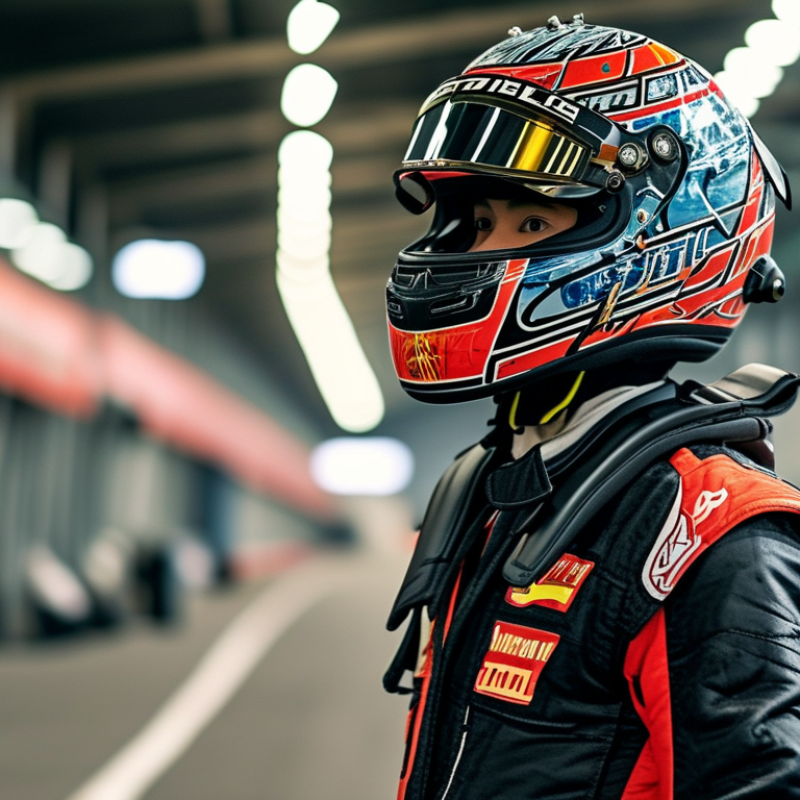
Understanding the Importance of a Quality Racing Shirt
When selecting a quality racing shirt, it's essential to understand its role in performance. A good racing shirt can significantly impact overall comfort and effectiveness during a race. According to a study from the Sports Engineering Institute, the right fabric can reduce moisture retention by up to 30%. This is crucial as excessive sweat can lead to discomfort and distract a racer’s focus.
Quality shirts offer more than moisture-wicking; they provide breathability. Research indicates that breathable fabrics can increase airflow by 40%, helping to regulate body temperature. Riders engaged in intense races often overlook this detail. Neglecting airflow leads to overheating, which can diminish performance. Choosing a shirt that allows for adequate ventilation is vital.
In addition to material considerations, fit matters. A shirt should fit snugly but not restrict movement. Surveys show that nearly 55% of racers experienced reduced performance due to poor-fitting gear. Comfort cannot be overstated. Many racers rely on companies, such as China ODM Le Mans Car Racing Factories, to ensure a proper fit tailored to their needs. A well-fitted shirt enhances aerodynamics and boosts confidence during races.
Comparison of Racing Shirts: Key Features
This chart compares various key features of racing shirts, highlighting their importance in terms of moisture wicking, breathability, durability, fit, and design options. Understanding these features can help you choose the best racing shirt that meets your specific needs.
Key Features to Look for in Racing Shirts
When selecting the perfect racing shirt, key features should be a priority. Breathability is vital. A shirt made from moisture-wicking fabric helps regulate body temperature. According to a recent study by the Journal of Sports Sciences, breathable materials can improve performance by up to 15%. Look for shirts with mesh panels to enhance airflow.
Fit matters too. A snug but comfortable fit allows for better movement. The shirt shouldn't be too tight, as this restricts circulation. Reports indicate that a well-fitted racing shirt can minimize discomfort during long races, thus improving overall endurance. Consider options with flatlock seams to reduce chafing.
Think about climate. For warmer temperatures, lighter colors reflect heat better. In contrast, darker colors can trap heat but may be suitable for cooler environments. Race performance varies with shirt design, and personal preference plays a significant role. Always choose what feels best for you over trendy options. Remember, not every feature works for everyone. Experimentation is key. With the right shirt, your racing experience can greatly improve.
When in doubt, consult experts or resources, such as "China ODM Le Mans Car Racing Suppliers." Quality insights can enhance your decision-making process.
Choosing the Right Fabric for Comfort and Performance
When selecting a racing shirt, the fabric is crucial for comfort and performance. Many racers prefer materials that wick moisture away from the skin. Synthetic fabrics like polyester often excel in this area. They keep you dry, especially during intense competitions. However, cotton might be your go-to for casual racing settings. Cotton absorbs sweat but can become heavy and uncomfortable.
Consider the fit of the shirt as well. A snug fit can enhance aerodynamics. But too tight can restrict movement. Look for shirts that offer a balance. For those experimenting with styles, try different fabrics and fits. Reflect on your experiences. How does each option perform during various weather conditions?
Breathability is key. Look for mesh panels or vents in your shirt. They can significantly improve airflow. Ultimately, choosing the right fabric is an individual journey. It impacts your experience on the track. Seek advice from experts and peer reviews. High-Quality Track Car Racing Suppliers can provide insights into material quality.
Sizing and Fit: How to Find Your Ideal Racing Shirt Size
Choosing the right racing shirt starts with understanding sizing and fit. According to a survey by the American Apparel and Footwear Association, 68% of runners prioritize fit over other factors when selecting gear. This statistic underscores the importance of finding a shirt that aligns with your body type.
To determine your ideal size, use a measuring tape and assess your chest, waist, and hips. Each of these dimensions plays a crucial role in comfort during races. A shirt that is too tight can restrict movement. Conversely, an overly loose shirt may lead to chafing. Research indicates that around 44% of athletes experience discomfort due to improper fit, making it essential to choose wisely.
Don’t hesitate to try shirts in different styles and fabrics. Fabrics engineered to wick away moisture can enhance performance. A snug fit promotes aerodynamics, while breathability helps regulate temperature. Remember, a shirt that feels great during a test run may not perform well over longer distances. Adjustments might be necessary. Embedding this meticulous approach into your selection process boosts both comfort and performance on race day.
How to Choose the Best Racing Shirt for Your Needs?
| Size |
Chest Measurement (inches) |
Fit Type |
Material |
Recommended Use |
| Small |
34-36 |
Slim Fit |
Polyester |
Running, Cycling |
| Medium |
38-40 |
Regular Fit |
Nylon |
Triathlons, Marathons |
| Large |
42-44 |
Loose Fit |
Cotton Blend |
Casual Wear, Training |
| X-Large |
46-48 |
Relaxed Fit |
Polyester |
Endurance Sports |
Weather Considerations: Selecting Shirts for Different Conditions
When selecting a racing shirt, the weather is a crucial factor. Different conditions demand different materials and designs. In hot weather, moisture-wicking fabric is essential. It keeps you cool and dry, reducing the risk of chafing. Look for lightweight options that allow for airflow.
In contrast, chilly weather requires more insulation. Long-sleeve shirts can offer warmth, but breathability must also be a priority. Look for materials that trap heat while letting sweat escape. This balance is vital; otherwise, you risk feeling cold and damp.
Rainy conditions present another challenge. Waterproof fabrics might seem ideal, but they can be heavy. Consider water-resistant options that provide some protection without compromising comfort. Remember, selecting the right shirt isn’t just about features; it’s also about fit and personal preference. Experiment with different styles to find what works best for you.
Design Elements: Style vs. Functionality in Racing Shirts
Choosing the right racing shirt can significantly impact your performance and comfort. When considering design elements, it's essential to balance style and functionality. A well-designed shirt should reflect your personal taste while offering practical features. Look for moisture-wicking fabrics, as they help keep you dry. Bright colors and eye-catching designs can boost your spirits, but ensure the fit is snug without being restrictive.
Functionality is key in racing shirts. Features like breathability, lightweight materials, and ergonomic seams can enhance your experience. It's common to overlook how fabric weight affects your movement. Heavy shirts may hinder your speed, while overly loose designs may flap around and distract you. Pay attention to these details. Even seemingly minor adjustments can result in a noticeable difference during a race.
Style shouldn't come at the expense of performance. You may find a shirt that looks fantastic but lacks essential features. Reflecting on your priorities can help guide your decision. Ask yourself what matters more at race time – the aesthetic or your comfort and speed. A thoughtful choice leads to a more enjoyable racing experience.
Budgeting: Finding the Best Racing Shirt within Your Price Range
When budgeting for a racing shirt, it’s essential to find a balance between quality and price. A good racing shirt can enhance comfort and performance. Professional data indicates that investing in proper apparel can reduce fatigue by up to 30%. This statistic highlights the importance of selecting the right fabric and fit, which often correlates with increased costs. However, a higher price does not always guarantee superior performance.
While searching within your price range, consider features like moisture-wicking technology and breathability. Many quality shirts can range from $20 to $100. It can be challenging to find shirts that meet both style and function without stretching your budget. According to a recent market study, about 40% of racing enthusiasts prioritize budget over brand. This indicates a growing trend towards value shopping.
Always be mindful of your specific requirements. Sizing and material can impact performance, especially during long races. Reflect on how you feel during each event; discomfort can lead to poor results. Collaborating with a China OEM Drift Racing Apparel Supplier can yield custom options that respect your budget. Ultimately, each choice should align with your performance goals while keeping an eye on affordability.
FAQS
: Use a measuring tape to assess your chest, waist, and hips. Each dimension is important for comfort.
Fit affects movement. A shirt that is too tight can restrict you. An overly loose shirt may cause chafing.
Research indicates that around 44% of athletes face discomfort due to poor fit. Choosing wisely is crucial.
Yes, trying different styles helps you find what fits best. Fabrics that wick moisture can enhance performance.
Look for breathability and lightweight materials. These features can significantly enhance your racing experience.
Yes, style shouldn't come at the cost of functionality. A beautiful shirt may lack essential features you need.
Reflect on your priorities. Comfort and speed often matter more than aesthetics on race day.
Heavy shirts may hinder your speed and distract you during a race. Lightweight options are generally preferable.
Absolutely. A shirt that feels good during a short run might not perform well over longer distances.
Yes, even small details can lead to noticeable improvements in your comfort and performance. Remember to pay attention.
Conclusion
Choosing the best racing shirt is essential for both comfort and performance during races. A quality racing shirt should feature specific characteristics such as moisture-wicking properties and breathable fabric to enhance your experience. It's important to consider the type of fabric that suits your needs, as different materials can significantly affect your comfort levels and overall performance.
Additionally, finding the right size and fit is crucial to ensure optimal movement and prevent distractions while racing. Weather conditions also play a role in your selection, as shirts designed for hot, cold, or rainy conditions can greatly impact your performance. Lastly, don’t forget to balance style and functionality; while aesthetics matter, the primary function of the racing shirt should always be to support your racing endeavors. By considering your budget alongside these factors, you're more likely to find the perfect racing shirt tailored to your specific requirements.