Picking the right sportswear is really important if you wanna perform well and stay comfortable while you're at it. Different sports kinda need their own special kind of clothing to support you properly. Like, for example, running gear should be super lightweight, so it doesn’t weigh you down, while yoga clothes need to be stretchy and comfy. Knowing these little details can actually help you make smarter choices.
Every sport has its own set of demands, and choosing the right gear from a trusted brand—like a well-known sportswear manufacturer—can seriously make a difference. Honestly, stuff quality-wise really matters; wearing the wrong things can just leave you feeling awkward and distracted. And hey, it’s always a good idea to try stuff on first, since everyone’s body is a bit different and what works for one person might not be perfect for another.
Sure, fashion trends can be tempting, but honestly, focusing on function is way more important. You might see some super stylish shoes that look amazing, but if they don’t support your feet properly, it’s kind of pointless. So, don’t just follow the marketing hype—think about what actually suits your activities best. At the end of the day, making smart, informed choices can really boost your workout experience and save you from dealing with unnecessary discomfort or setbacks.
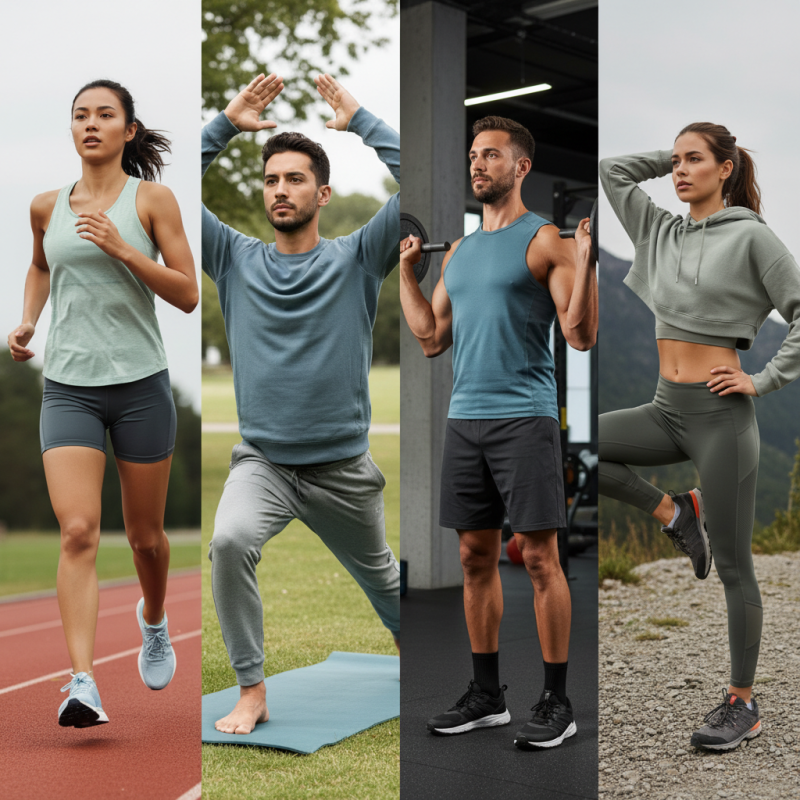
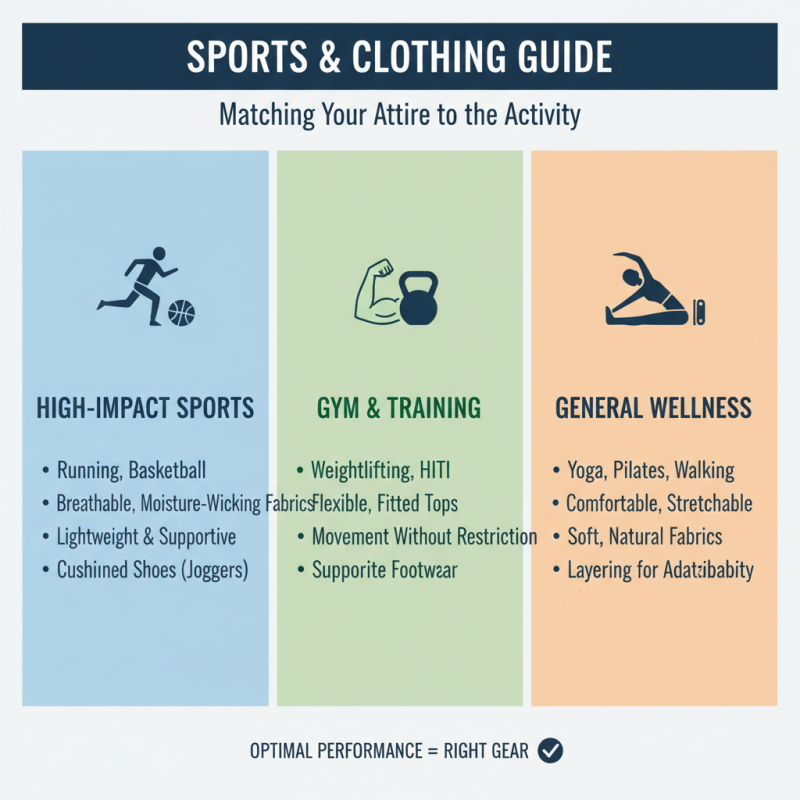
Choosing the right sportswear hinges on understanding the specific needs of each activity. For high-impact sports like running or basketball, breathable and moisture-wicking fabrics are essential. Look for lightweight materials that provide adequate support, ensuring optimal performance. Joggers need shoes that cushion every step while gym-goers might prefer fitted tops that allow flexibility without restricting movement.
For activities like yoga or Pilates, comfort is key. Stretchable and seamless designs enhance mobility, allowing for deeper stretches. Women might opt for high-waisted leggings, while men may choose loose-fitting shorts. Always consider the temperature of your environment; layering is important for outdoor activities.
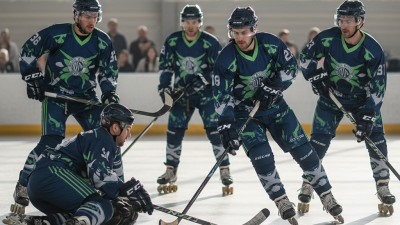
In contrast, team sports require durable gear. Jerseys should offer longevity against wear and tear. Choosing appropriate colors can foster team spirit. Regardless of the sport, it's worthwhile to consult a Global Custom Sports Wear Manufacturer to find tailored options that suit your individual preferences and needs. Remember, the right gear not only elevates performance but also influences your confidence in every activity.
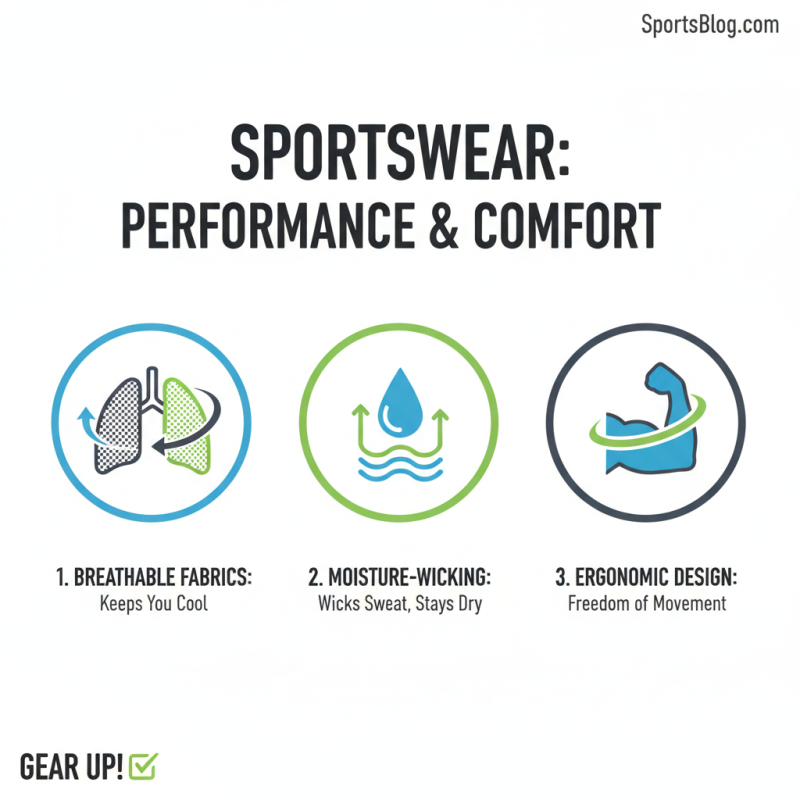
Choosing the right sportswear is essential for performance and comfort. When selecting your gear, focus on key features. Look for breathable fabrics. They keep you cool while exercising. Moisture-wicking materials are important too. They pull sweat away from the skin, helping you stay dry and comfortable.
Fit is another critical aspect. Your sportswear should allow freedom of movement. Tight clothing can restrict your range and lead to discomfort. Loose-fitting options may chafe during intense workouts. Find a balance that suits your body type and activity level.
Lastly, consider the weather. Layering can make a difference in maintaining optimal body temperature. For colder activities, thermal layers are beneficial. In hotter climates, lightweight materials can help regulate heat. Always test your gear in different conditions. This assessment ensures your sportswear meets your performance needs while keeping you comfortable. Experimenting with various options can help refine your personal preferences.
Choosing the right fabrics is crucial for sportswear. Breathability and moisture management are essential for comfort during activities. Fabrics like polyester and nylon are commonly used. They wick moisture away from the skin and allow air circulation. This keeps you dry and comfortable.
When selecting fabrics, consider your activity. For high-intensity workouts, you might need a fabric that provides better moisture control. On the other hand, low-impact activities may require lighter materials. A light cotton blend could suffice. However, cotton alone may trap moisture, leading to discomfort.
**Tips:** Look for mesh panels for increased airflow. Check labels for moisture-wicking properties. Don't overlook weight; lighter fabrics can enhance performance. Sometimes, the right choice feels wrong initially. Take time to test, and adjust your selections based on your experience.
Choosing the right sportswear begins with understanding fit and flexibility. According to a report by the Global Sports Apparel Market, clothing that offers both comfort and mobility can enhance performance by up to 15%. Movement is key during activities like running, yoga, or weightlifting. Poorly fitting gear can restrict motion and cause injuries.
Consider the material used in the sportswear. Stretchable fabrics should allow for a full range of motion. For instance, spandex and nylon blends can create garments that move with you rather than against you. Evaluating how a piece of clothing responds during various activities is crucial. Loose garments can hinder performance while overly tight ones can restrict blood flow.
When shopping, look for pieces from high-quality sportswear manufacturers that prioritize these features. A study from the Journal of Sports Sciences found that well-fitted athletic clothing led to improved posture and biomechanics. It is essential to pay attention to details. Take time to assess how different fabrics interact with your body. This investment not only impacts performance but also overall comfort during workouts.
Choosing appropriate footwear is crucial for any sports activity. Each sport has unique requirements that must be considered. For instance, running shoes prioritize cushioning to absorb shock on hard surfaces, while basketball shoes focus on ankle support and traction for quick lateral movements. According to a 2021 report by the Sports Science Institute, 70% of sports injuries stem from inadequate footwear. This statistic highlights the importance of selecting the right type.
When picking footwear, consider the type of surface. Trail running demands rugged soles for grip, while indoor sports need lighter shoes for agility. A 2022 study by the Athletic Footwear Research Group indicated that 65% of athletes reported improved performance with sport-specific shoes. However, many people stick to general-purpose sneakers, risking comfort and safety.
Reflecting on personal experiences, some athletes often overlook the fit. A shoe that feels fine initially may cause blisters or discomfort during extended play. Remember, the right fit varies between brands, so trying on multiple options is essential. Achieving optimal performance sometimes means reassessing choices made in the past.
| Activity | Footwear Type | Key Features | Recommended Use |
|---|---|---|---|
| Running | Road Running Shoes | Lightweight, cushioned, good grip | Pavements, roads |
| Basketball | Basketball Sneakers | Ankle support, grip, cushioning | Indoor courts |
| Tennis | Tennis Shoes | Stability, lateral support, traction | Hard courts and grass courts |
| Hiking | Hiking Boots | Water-resistant, grip, ankle support | Trails, uneven terrain |
| CrossFit | CrossFit Sneakers | Multi-directional support, flat sole | Variety of workouts |
When choosing sportswear for various activities, accessorizing plays a crucial role in enhancing performance. Consider the essential gear that can elevate your workout. According to a report by Statista, over 70% of athletes believe that the right accessories improve their overall experience. From breathable socks to supportive headbands, these items are not mere add-ons; they can make a substantial difference.
Breathe easy. Proper footwear can reduce injuries. A study highlights that up to 40% of sports injuries could be linked to inadequate shoes. Ensure your sneakers provide excellent shock absorption. Elbow and knee supports are also vital for high-impact activities. Remember, not all accessories are created equal. Research quality sources, like China OEM Seamless Yoga Wear Factories, for the best options.
Tips: Stay aware. Accessories may not fit everyone perfectly. Take time to find what matches your unique needs. Not all styles are suitable for every sport, so be discerning. A quick adjustment can prevent discomfort during your session. Pay attention to materials; moisture-wicking fabrics can help in managing sweat.
Accessorizing thoughtfully can lead to better focus. As you choose your gear, remember that the right accessories not only complement your sportswear but also enhance your performance. Each element contributes to your comfort and efficacy during workouts.
This chart illustrates the number of recommended sportswear items for various activities. It's essential to choose the right gear based on the specific needs of each sport to enhance performance and comfort.
When choosing sports wear, weather conditions play a crucial role. In hot climates, breathable fabrics are essential. Look for materials that wick moisture away from the skin. Lightweight shorts and tank tops are common choices. They help keep your body cool. Avoid heavy fabrics that trap heat. Consider the intensity of your activity. For a high-energy run, you need something that moves with you.
In cold weather, layering becomes important. Start with a moisture-wicking base layer to keep sweat away. A thermal layer can provide warmth, while a windproof jacket adds protection. Accessories like gloves and hats can make a big difference. When the temperature drops, exposed skin can lose heat rapidly. Reflective elements on your gear can improve safety in low-light conditions.
Finally, remember that not all fabrics are created equal. Consulting with manufacturers like China OEM Seamless Yoga Wear Suppliers can help you find the right options. However, even with expert advice, personal comfort is key. Always test your gear during a workout. If it doesn’t feel right, rethink your choice. Your comfort level impacts performance. Prioritize finding the right fit for your specific needs.
: Accessories enhance comfort and efficiency. Many athletes feel they significantly boost their experience during workouts.
Proper footwear provides shock absorption. Poor shoe quality can lead to injuries. Always prioritize comfort and support.
Weather is crucial. In hot climates, opt for breathable fabrics. In cold temperatures, layering helps retain warmth.
Moisture-wicking materials are essential. They help keep your body cool. Avoid heavy fabrics that can trap heat.
Personal comfort affects performance. If gear feels wrong, reconsider your choice for better focus during workouts.
No, not all accessories work for every sport. Choosing items based on your activity can prevent discomfort and enhance performance.
Testing gear during a workout is vital. A quick adjustment can prevent issues. Always prioritize finding your right fit.
Start with moisture-wicking base layers. Add warmth with thermal layers and protect with windproof jackets. Accessories like gloves are also helpful.
Choosing the best sports wear requires a comprehensive understanding of various sports activities and their specific clothing needs. Different activities, from running to yoga, demand unique features in sports wear that cater to performance and comfort. Key attributes to consider include breathability, moisture management, fit, and flexibility, each crucial for optimal movement. Selecting the right fabrics is essential to ensure that athletes remain comfortable and dry, while choosing appropriate footwear is vital for specific sports requirements.
In addition to clothing, accessorizing with essential gear can enhance overall performance. It's also important to consider weather conditions, as they can significantly impact the choice of sports attire. By taking these factors into account, individuals can make informed decisions about their sports wear, ensuring they are well-equipped for whatever activity they pursue.