Leave Your Message
0%

Finding OEM wholesale sportswear products can be quite the journey—sometimes tough, but totally worth it in the end. A lot of businesses are on the hunt for high-quality, stylish gear that really makes them stand out in a crowded market. Remember, sportswear isn’t just about function; it’s also about your branding and keeping your customers happy. As you dive into this niche, keep in mind all the different factors that come into play when sourcing effectively.

First off, picking a reliable supplier is a must. You want someone who gets your brand vision and can deliver consistently good quality. Good communication is key here—mistakes or miscommunications can cause delays and, let’s be honest, a lot of frustration. Don’t forget to pay attention to the materials, design options, and how quickly they can turn things around. Sometimes, businesses overlook these little details, but skipping them could mean your products don’t perform well once they hit the market.

Building a good relationship with your OEM partner really helps things go smoothly. Regular check-ins and honest feedback? Totally necessary. And don’t skip product testing — it might seem like a hassle, but it’s super important. If you don’t evaluate properly, your products might not meet expectations. Take time to reflect on your sourcing process and stay open to making improvements — that’s how you stay ahead in the sportswear game.

10 Essential Tips for Sourcing OEM Wholesale Sports Wear Products

Understanding OEM and Wholesale Sports Wear Concepts

Understanding OEM (Original Equipment Manufacturer) and wholesale sportswear concepts is crucial for businesses in the apparel industry. OEM products are made by one company and marketed by another. This allows retailers to offer unique designs without the burden of manufacturing. According to the Global Sports Apparel Market report, the sector is projected to reach $250 billion by 2025. However, a lack of understanding of OEM processes may lead to quality control issues, impacting brand reputation.

Wholesale sportswear is often sourced at a cost-effective rate. Businesses can buy in bulk to save money. In fact, buying wholesale can lower costs by up to 40%. Yet, selecting the right OEM partner can be challenging. It's not just about price; communication and quality assurance are vital. The TPP (Trans-Pacific Partnership) has emphasized the importance of ethical sourcing. However, many brands struggle with transparency in their supply chains. They often overlook the social implications of their choices, leading to potential backlash.

Ultimately, the key to success in sourcing OEM wholesale sportswear lies in understanding the balance between cost, quality, and ethical practices. Businesses should regularly reassess their partners and supply chains. A proactive approach can prevent costly mistakes. Utilizing data and market insights will guide more informed decisions. Being adaptable in this fast-paced industry is essential.

10 Essential Tips for Sourcing OEM Wholesale Sports Wear Products

Tip Description Considerations Benefits
1. Research Your Market Understand the demand and trends for sports wear in your target market. Local customer preferences and purchasing behaviors. Increased sales potential.
2. Identify Reliable OEM Suppliers Choose suppliers with a good track record and experience in sports wear. Research supplier reviews and testimonials. Quality assurance and timely delivery.
3. Request Samples Obtain samples to evaluate fabric quality and manufacturing standards. Be prepared for additional costs. Ensure product meets your quality criteria.
4. Check Compliance and Certifications Ensure the products comply with industry standards and regulations. Stay updated on regulations. Avoid legal issues and improve market credibility.
5. Negotiate Pricing Get competitive pricing while ensuring quality materials. Be clear about minimum order quantities. Increase profit margins.
6. Establish Strong Communication Maintain clear and consistent communication with your suppliers. Use translation tools if necessary. Prevent misunderstandings and delays.
7. Consider the Logistics Plan for shipping, customs, and delivery timelines. Calculate total costs. Timely arrival of products.
8. Develop a Strong Brand Create a unique identity for your sports wear that resonates with customers. Market research to determine brand positioning. Build customer loyalty and trust.
9. Monitor Trends and Feedback Stay updated on new styles and customer preferences. Use customer reviews and insights. Adapt offerings to match demand.
10. Build Long-Term Relationships Focus on developing ongoing partnerships with suppliers. Communicate and collaborate regularly. Stability and reliability in sourcing.

Identifying Reliable Manufacturers for Sports Wear Products

Finding reliable manufacturers for sports wear products can be challenging. It's crucial to conduct thorough research. Look for manufacturers with a proven track record. Check their websites to see the kinds of products they offer. A professional-looking site can be a good sign. However, don’t take this at face value. Always dig deeper.

Consider reaching out to previous clients. Their feedback can provide valuable insights. Sometimes, the best manufacturers may not be the most visible ones. Attend trade shows and networking events. This can help you establish direct connections. Face-to-face interactions build trust. However, be cautious during this process. Just because a manufacturer seems promising doesn’t mean they are the right fit.

Examine their production capabilities and quality control processes. Ask about their compliance with industry standards. Many manufacturers may promise quality, but the reality can differ. Always ask for samples before making large orders. This helps assess their work firsthand. Remember, trust but verify is key in this sourcing journey.

Evaluating the Quality Standards of Sports Wear Items

When sourcing OEM wholesale sportswear, one must pay close attention to quality standards. The global sportswear market is projected to reach $207 billion by 2024. This statistic highlights the competitive landscape, making quality evaluation paramount. A report by Research and Markets indicates that 60% of consumers view material quality as their top priority when choosing sportswear. Manufacturers must ensure their products meet these expectations.

Evaluating the quality of sportswear involves several key factors. Fabric type is crucial; breathable materials like polyester and nylon are preferred for their moisture-wicking properties. According to a study by the Textile Institute, 70% of consumers experience comfort issues with subpar fabrics. Testing for durability is equally important. Abrasion resistance and colorfastness can influence long-term customer satisfaction. Brands that fail to meet these standards risk losing credibility.

It’s important to remember that quality control processes can be flawed. Some manufacturers cut corners to reduce costs, impacting the final product. A recent analysis found that 30% of sportswear items failed quality inspections at some point in their supply chain. This reality underscores the necessity for thorough evaluations. Continuous improvement is vital for staying competitive in this market. By focusing on quality, businesses can better meet customer expectations.

Negotiating Pricing and Terms with OEM Suppliers

Negotiating pricing and terms with OEM suppliers can be daunting. Start by understanding your market and competitors. Researching various suppliers is a must. This knowledge empowers you during negotiations. Never settle for the first price. Always ask for discounts or better terms. Keep in mind that not all suppliers will offer flexibility.

When discussing terms, be clear about your expectations. Define product quality, delivery timelines, and payment methods. A detailed agreement minimizes misunderstandings later. However, don’t be afraid to challenge a supplier. If a deal feels too good to be true, it might be. Review contracts with a critical eye. Small details can have significant implications on your business.

Building relationships with suppliers is equally important. Respect and trust can lead to better deals over time. Be honest about your needs and capabilities. Sometimes, a supplier might have hidden fees. Clarifying these aspects upfront saves future hassles. Remember, negotiation is about finding common ground. Embrace the process, even if it’s uncomfortable. It’s a learning experience for both sides.

10 Essential Tips for Sourcing OEM Wholesale Sports Wear Products

This chart represents the average pricing of various sports wear products essential for negotiating with OEM suppliers. Understanding these price points can aid in making informed decisions during sourcing and negotiations.

Establishing Effective Communication Channels

Effective communication is key when sourcing OEM wholesale sportswear products. A recent industry report reveals that 72% of supply chain disruptions are linked to poor communication. This highlights the necessity of establishing clear channels of communication with suppliers. Frequent updates and open dialogues can significantly reduce misunderstandings.

Using technology can enhance these communication efforts. For example, utilizing platforms that allow real-time updates can facilitate quick feedback. Visual tools can help bridge language barriers, making requirements clear. However, it’s important to remember that technology alone cannot solve all issues. Regular face-to-face meetings, even virtually, can build trust and clarify expectations. A human touch can make a huge difference.

Moreover, miscommunication can lead to costly errors. A staggering 35% of businesses experience financial losses due to inadequate communication. Learning to listen is as crucial as speaking. Consider feedback from suppliers seriously. This can help you fine-tune orders and improve product quality. Challenges will arise, but a responsive and open communication channel can turn potential failures into valuable lessons.

Assessing Market Trends and Consumer Preferences

10 Essential Tips for Sourcing OEM Wholesale Sports Wear Products

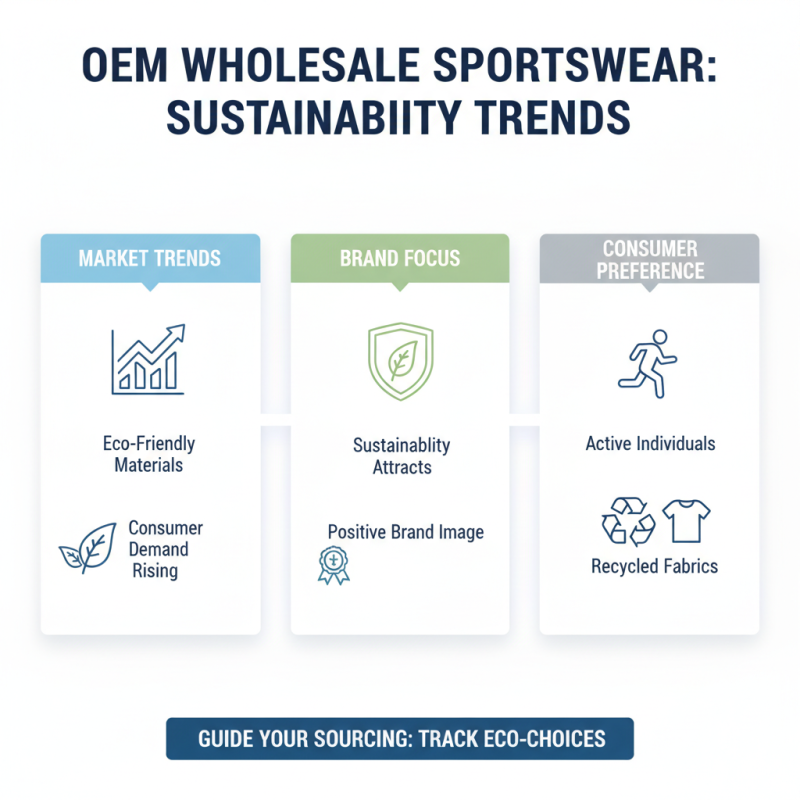
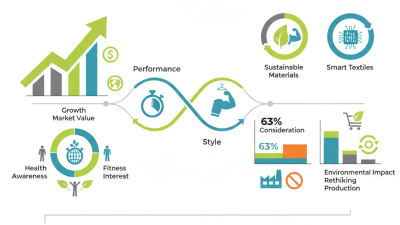
When sourcing OEM wholesale sportswear products, understanding market trends is crucial. Consumers are increasingly seeking eco-friendly materials. Brands that focus on sustainability attract attention. Research shows that active individuals prefer clothes made from recycled fabrics. Tracking these preferences can guide your sourcing decisions.

Consumer preferences are not stagnant. They evolve based on lifestyle changes and cultural influences. For instance, the rise of home workouts has shifted demand. Athleisure is now a staple. Similarly, vibrant colors and unique patterns are gaining traction. Ignoring these shifts can lead to outdated inventory. Regularly engage with your target audience to gather insights.

Reflecting on your product selection is necessary. The perfect range doesn't always exist. Sometimes it's about trial and error. Testing various styles, sizes, and materials can reveal consumer favorites. Pay attention to what's not selling. It might indicate a mismatch with market trends. This ongoing adjustment process is both challenging and rewarding.

Ensuring Compliance with Industry Regulations and Standards

When sourcing OEM wholesale sportswear products, compliance is crucial. It ensures that your products meet industry standards. Understanding regulations prevents costly errors. Familiarize yourself with local and international laws. This knowledge protects your business and builds trust with customers.

Tip: Research materials for your sportswear. They must be safe and environmentally friendly. Some fabrics may seem ideal but fail to meet safety standards. This imbalance can lead to liability issues. Inspect samples thoroughly before committing to a supplier.

Tip: Collaborate with manufacturers who prioritize compliance. Choose partners that are transparent about their sourcing processes. This partnership fosters accountability. A lack of communication can create significant compliance gaps. Regular audits help you stay aligned with regulations. Products must pass inspections to avoid future problems.

FAQS

: What is the purpose of the product?

: The product aims to solve specific problems and improve daily tasks. Its goal is efficiency.

How do I use the product effectively?

Follow the included instructions carefully. Practice helps to master its use.

Is there a return policy?

A return policy exists but terms vary. Check the guidelines before making a return.

Can the product be cleaned?

Yes, it can be cleaned, but follow the specific instructions. Not all materials are safe for all cleaners.

What should I do if the product malfunctions?

Contact customer service for assistance. They can guide you through troubleshooting steps.

Are there any limitations in usage?

Yes, limitations apply. Always consider the capacity and materials. Overuse can lead to issues.

How long is the warranty period?

The warranty typically lasts for a specific time frame. Keep the receipt for claims.

Is it suitable for everyone?

Not necessarily. Some users may find it challenging. Assess personal needs before using.

Can I find alternatives?

Alternatives are available, but they may vary in quality. Research is important to make informed choices.

What if I have further questions?

Reach out to customer support. They are there to help with any concerns or inquiries.

Conclusion

In the competitive world of sports wear, understanding the core concepts of OEM (Original Equipment Manufacturer) and wholesale sourcing is crucial for success. This involves identifying reliable manufacturers who can meet quality standards while offering favorable pricing and terms. Effective communication with OEM suppliers can ensure that both parties are aligned with market trends and consumer preferences, allowing businesses to remain agile in response to changes in demand.

Additionally, it is vital to ensure compliance with industry regulations and standards to maintain product integrity and consumer trust. By following these essential tips, businesses can navigate the complexities of sourcing sports wear products, ultimately leading to a successful partnership with manufacturers that prioritize quality and innovation.

Blog Tags:

    Sophia

    Sophia

    Sophia is a dedicated marketing professional with a wealth of experience in the sportswear industry. With over 15 years of expertise in producing high-quality athletic apparel, she possesses a deep understanding of the market and the evolving needs of customers. As a vital part of Achieve......
    Previous What are the Benefits of Wearing Polo Shirts?