When you think about the sports tracksuit market, it’s really comfort, team identity, and just being able to move through your day that drive it. These days, it’s not just something you throw on for the training ground. People are wearing matching jackets and trousers on their commute, to school stuff, and even on weekend trips.
So, McKinsey and the World Federation of the Sporting Goods Industry found that sporting goods grew by around 7% a year between 2021 and 2023. In their Sporting Goods 2024 report, they expect that growth to settle down a bit—to roughly 6% annually through 2029. Grand View Research also flags athleisure demand and rising sports participation as key market drivers. That all sounds promising, sure. But demand by itself doesn't guarantee profitable sourcing.
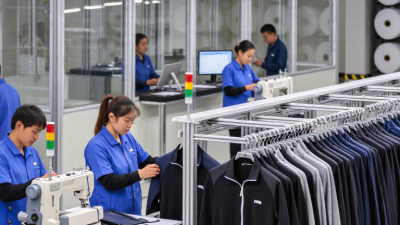
You know how Matt Powell—formerly a sports-industry advisor at The NPD Group—once put it? “Athleisure isn’t just a trend; it’s a lifestyle.” And honestly, that little point matters when you’re checking out High-Quality Sports Tracksuit Factories. A supplier you can trust should be able to walk you through things like fabric weight, fiber content, shrinkage control, colorfastness, seam strength, and sizing tolerance—not just gloss over them. Honestly, it's worth asking for a physical sample—not just digital photos. Get it in your hands and check the zipper movement, see how the cuffs recover, and feel the embroidery tension under normal day-to-day use. And while you're at it, look into the factory's production capacity, quality records, audit history, and minimum order quantity.
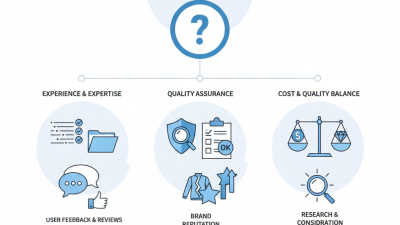
Price is definitely something you’ve got to look at closely. That cheaper quote? It might not include packaging, testing, or those fixes that come up later. And honestly, no sourcing checklist is perfect. Even seasoned buyers can miss things like grading that doesn’t match across sizes. So yeah—compare at least three factories, and use the same spec sheet for all of them. Make sure you approve a sample before they go into bulk production. At the end of the day, a smart sourcing call is about balancing performance, lead time, communication, compliance, and total landed cost. And honestly, that kind of balance is usually worth way more than just the lowest unit price.
What Is a Sports Tracksuit? Components, Fits, and 140–240 GSM Fabric Options
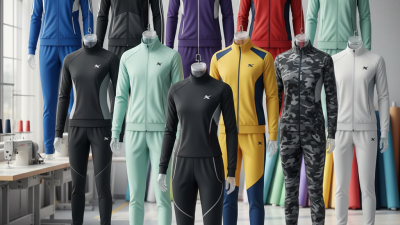
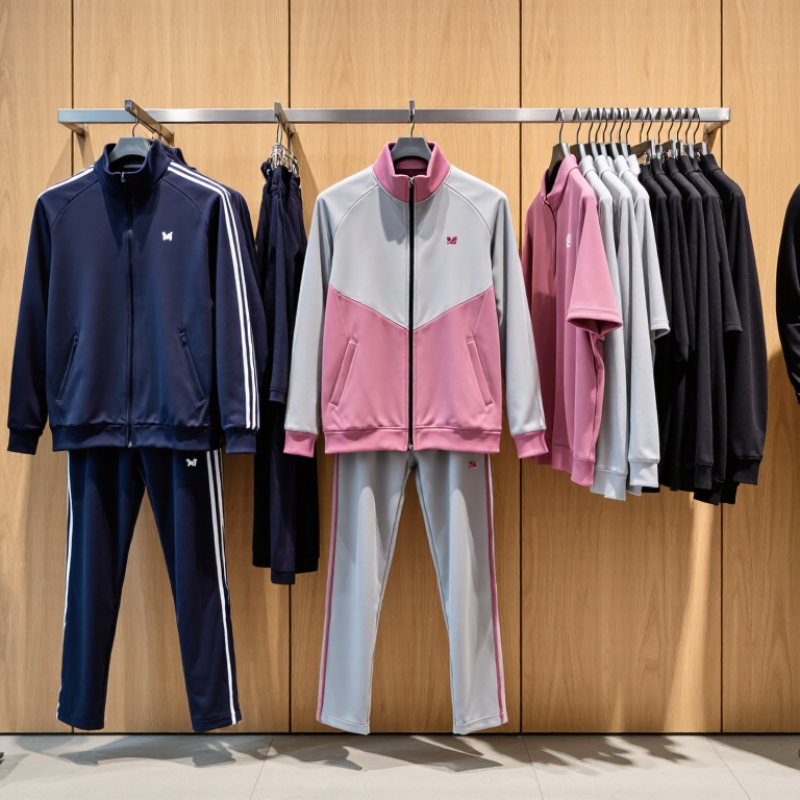
A sports tracksuit usually combines a zip jacket or pullover with matching trousers.
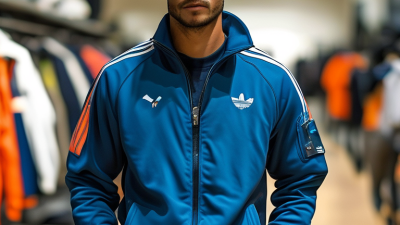
The jacket may include a stand collar, ribbed cuffs, side pockets, and a drawcord hem. Trousers often use an elastic waistband, ankle openings, and secure pockets. These parts support warm-ups, travel, training, and casual movement.
Construction matters.
Reinforced seams and smooth zippers can reduce irritation during repeated wear.
Fit changes performance and appearance.
A regular fit leaves room for layering without looking loose. A slim fit follows the leg but can restrict deep squats if the pattern is poor. Relaxed fits suit streetwear and colder training sessions.
Measure chest, waist, hip, inseam, and sleeve length before ordering wholesale samples. I have found that a size chart alone can mislead. Test movement, pocket position, and shrinkage after washing.
Fabric weight gives a useful starting point.
Lightweight 140–170 GSM polyester or poly-spandex works well for indoor training and mild weather. Midweight 180–210 GSM offers better shape retention and warmth. Heavy 220–240 GSM feels more substantial for cool seasons.
However, higher GSM does not guarantee comfort. Fiber blend, brushing, breathability, and finishing also matter. Ask suppliers for GSM tolerance, composition reports, colorfastness results, and pre-production samples. Small flaws appear later. Wholesale buyers should compare actual measurements, not promises.
How Polyester Blends Deliver Moisture Wicking, Stretch, and Colorfastness
Polyester blends are central to modern sports tracksuits because they balance cost, durability, and comfort. Textile Exchange’s 2024 Materials Market Report estimates polyester represented about 59% of global fiber production in 2023. That scale supports stable wholesale supply, including from a China ODM Sports Tracksuit Manufacturer. However, fiber volume does not guarantee garment quality.
A well-designed polyester-spandex blend can move sweat through capillary channels. This helps the fabric dry faster against the skin. AATCC TM195 evaluates liquid moisture management through absorption, spreading, and drying behavior. For activewear, I would request test results, not rely on labels alone. A fabric with 88% polyester and 12% spandex may offer useful stretch, but yarn quality, knitting density, and recovery also matter. Stretch can disappoint.
Colorfastness needs equal attention. AATCC TM61 examines accelerated laundering performance, while perspiration and rubbing tests reveal different weaknesses. Dark navy fabric may look excellent before washing, then transfer color onto lighter panels. Ask for wash-test photos and dimensional measurements after five cycles. This is a small step, but often ignored.
Wholesale sourcing should compare fabric weight, blend ratio, moisture results, stretch recovery, seam strength, and color approval records. Polyester also resists wrinkles and repeated washing, yet excessive heat can damage elasticity. That detail is easy to miss. A supplier should explain finishing chemicals and care instructions clearly. My view is imperfect but practical: the cheapest quotation may become expensive after returns, shade corrections, and delayed production.
Which Standards Apply? ISO 13688, REACH, and AQL 2.5 Inspection
A sports tracksuit combines a jacket and trousers for training, travel, or team use. When sourcing wholesale, buyers should check fabric weight, stretch recovery, zipper quality, and seam strength. A China OEM Sports Tracksuit Manufacturer may offer custom colors, labels, and size grading. However, a low sample price can hide weak finishing or inconsistent measurements.
ISO 13688 provides general principles for protective clothing, including ergonomics, sizing, and harmless materials. It does not automatically certify every sports tracksuit. Confirm whether the product’s intended use makes this standard relevant. REACH requirements are more directly important for European sales. They restrict certain chemicals in textiles, prints, coatings, and accessories. Ask for recent laboratory test reports, not only a supplier declaration. Reports should match the actual fabric, color, and production batch.
AQL 2.5
inspection uses sampling to control major and minor defects. It does not mean every garment is perfect. Inspectors should measure chest width, inseam length, logo position, stitching, stains, and zipper operation. Keep approved samples beside packed goods. Small differences become expensive later.
Tips: Write measurable quality points in the purchase order. Set fabric composition and tolerance ranges clearly. Request pre-production samples and a final random inspection. I once underestimated color variation between fabric lots; it looked minor under factory lighting, but obvious in daylight. That mistake deserved a stricter review.
How to Define Wholesale Specs: MOQ, Size Ratios, Colorways, and Tech Packs
What Is a Sports Tracksuit and How to Source Wholesale?
How to Define Wholesale Specs: MOQ, Size Ratios, Colorways, and Tech Packs
A sports tracksuit combines a jacket and matching trousers for training, travel, or everyday movement. Wholesale sourcing starts with measurable specifications, not attractive sample photos. Define fabric weight, stretch percentage, zipper type, pocket depth, and seam construction. These details affect comfort, durability, and production cost.
MOQ should match your sales forecast and cash flow. A large minimum order may reduce the unit price, but it can leave unsold stock. Start with a pilot order when possible. Keep it realistic. Specify size ratios by market demand, such as more medium and large units for adult collections. However, never copy a ratio without reviewing customer data. I have seen balanced assortments fail because local shoppers preferred different fits. Check measurements, not just labels.
Colorways need clear codes, fabric references, and acceptable shade limits. A black sample can look different under warehouse lighting. Request a lab dip or production swatch before approval. The tech pack should include graded measurements, construction drawings, fabric composition, trims, care labels, artwork placement, and tolerance ranges. Add close-up images of cuffs, hems, and stitching. Test it twice. A pre-production sample can reveal sleeve twisting, weak elastic, or trousers that sit poorly. Record every correction in writing, then compare the final inspection against the approved sample. Supplier claims still require verification.
How to Vet Suppliers Using Samples, Factory Audits, and 30–45-Day Lead Times
A sports tracksuit includes a jacket and matching trousers designed for training, travel, or teamwear. Wholesale sourcing should begin with product evidence, not attractive catalog images. Request samples in your target fabric, colors, sizes, and logo placement. Check zipper strength, seam consistency, waistband recovery, and stitching after washing. I once found a comfortable sample with weak pocket seams. That small fault could create expensive returns.
A factory audit adds useful evidence before a larger order. Review production areas, fabric storage, cutting equipment, quality records, and worker safety procedures. Ask who controls measurements during sewing and final packing. Confirm whether the factory produces in-house or uses undisclosed subcontractors. Supplier interviews can sound convincing, but physical records matter more. An audit is not perfect, either. It shows conditions on one day, not every production shift.
Tips: Build a written approval sheet for every sample. Record fabric weight, shrinkage, color tolerance, and packaging details. Request a production timeline with clear checkpoints. A 30–45-day lead time may cover fabric booking, cutting, sewing, inspection, and shipping preparation. Confirm which stage starts the clock. Keep extra time for revisions or holiday closures. Do not accept “ready soon” as a schedule. Ask for weekly photos and measurable progress updates. Small orders may receive less attention, so negotiate inspection rights early. Even careful buyers can miss problems when deadlines feel comfortable.
How to Calculate Wholesale Cost: FOB, Landed Cost, Duties, and 10–30% Buffer
A sports tracksuit usually includes a matching jacket and trousers for training, travel, or team activity. When sourcing wholesale, the factory quote is only the starting point. A Global Custom Sports Tracksuit Supplier may quote FOB, meaning the goods reach the named export port. You still pay ocean freight, insurance, destination handling, and import duties.
Calculate the landed cost per set carefully. Use this formula: product price plus freight, insurance, port charges, duties, taxes, and local delivery.
For example, a 12-dollar FOB tracksuit may add 2 dollars for freight, 1 dollar for handling, and 3 dollars in duties. The estimated landed cost becomes 18 dollars before storage or payment fees.
Duty rates depend on fabric composition, garment classification, and destination rules. Confirm them with a qualified customs professional.
Add a 10–30% buffer. It can cover currency movement, inspection failures, carton changes, or unexpected port charges. Smaller orders often need a higher buffer.
I have seen attractive quotes lose their advantage after delivery fees were added. That mistake is easy to repeat.
Ask for a detailed pro forma invoice, carton dimensions, fabric percentages, and production terms. Keep every assumption written down. Some estimates will still be wrong, especially when shipping rates change quickly. Recheck the numbers before approving production.
How to Control Quality with Pre-Shipment Testing and Reorder KPIs
A sports tracksuit combines a jacket and matching trousers for training, travel, or team use. For wholesale buyers, appearance matters, but production consistency matters more. A Global Leading Sports Tracksuit Factory should provide measurable quality records, not only attractive samples.
Before shipment, inspect fabric weight, colorfastness, shrinkage, stitching, zippers, and printed details. Compare finished measurements with the approved size chart. Check several cartons, not just the first one. An independent inspector can record defect levels using an agreed AQL standard and photograph weak seams or shade differences. Test movement, too. A tracksuit may look perfect on a table but restrict the shoulders during warm-ups. That mistake is easy to miss.
Tips:
Set pass-and-fail limits before production starts. Track fabric GSM, size tolerance, seam strength, packing accuracy, and on-time shipment rate. Keep the inspection report beside the purchase order. Reorder decisions should use at least three shipment cycles. Useful KPIs include major defect rate, measurement accuracy, complaint percentage, delivery reliability, and repeat lead time. A low defect rate alone can mislead if customer returns remain high. We learned this the hard way. Soft fabric is not enough when colors fade after washing, and fast delivery is not useful when cartons contain mixed sizes. Review every result with the factory and adjust the next specification in writing.
Custom Sublimation Sports Polo Shirts: Insights from Grand View Research’s Sports Apparel Market Report
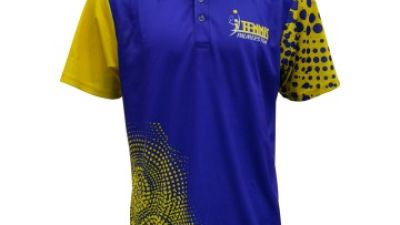
Custom sublimation sports polo shirts are gaining attention as sports apparel increasingly combines performance, personalization, and everyday versatility. Market insights in the sports apparel sector point to growing demand for lightweight, breathable garments that support active lifestyles while offering a professional appearance. The Blue & Yellow Sublimation Polo meets these needs with soft, moisture-wicking fabric that helps keep wearers dry and comfortable during training, competitions, events, or daily use. Its structured cut supports a neat silhouette, while the reinforced collar remains crisp after repeated washing.
Made from premium lightweight polyester, the polo is designed to resist pilling and color fading, helping maintain a polished appearance over time. Full digital sublimation printing allows logos, numbers, names, and creative graphics to appear in vivid, durable colors without peeling or cracking. This makes the shirt suitable for sports teams, clubs, corporate uniforms, school activities, promotional events, and personal projects. Flexible sizing options and available OEM service allow organizations to adjust the design and fit for different groups, while optional reinforced shoulder panels can provide additional durability for active wear. The combination of functional fabric, stable construction, and detailed customization reflects the wider movement toward sports apparel that is both performance-focused and visually distinctive.
FAQS
It usually includes a zip jacket or pullover with matching trousers. The jacket may have pockets, ribbed cuffs, and a drawcord hem. Trousers often include an elastic waist and secure ankle openings. These details support warm-ups, travel, training, and casual movement.
A regular fit allows layering without looking baggy. A slim fit looks neat but may restrict deep squats. A relaxed fit suits colder sessions and casual wear. Test shoulder movement, hip comfort, and pocket placement before ordering.
Measure the chest, waist, hips, inseam, and sleeve length. Do not trust the size chart alone. Try sample garments through walking, bending, and warm-up movements. Washing may change the measurements.
Lightweight fabric suits indoor training and mild weather. Polyester or polyester-spandex blends can feel flexible and dry quickly. Thin fabric may feel less warm outdoors. That trade-off is easy to overlook.
Midweight fabric offers more warmth and shape retention. It works for regular training, travel, and changing weather. Comfort still depends on breathability, fiber blend, and finishing. Higher GSM is not automatically better.
Heavy fabric feels more substantial during cool seasons. It may provide better warmth and structure. However, it can feel uncomfortable during intense indoor exercise. The best choice depends on activity and climate.
Polyester can resist wrinkles and repeated washing. Adding stretch fiber may improve flexibility and recovery. Fabric construction also matters. Some blends stretch well but recover poorly after use.
Request test results for absorption, spreading, and drying behavior. Do not rely on a “quick-dry” label alone. Check the fabric after movement and washing. Real performance may disappoint.
Check GSM, measurements, stitching, zippers, shrinkage, and colorfastness. Inspect several cartons, not only the first carton. Photograph weak seams, shade differences, and mixed sizes. A garment can look perfect on a table.
Track defect rates, measurement accuracy, complaints, delivery reliability, and repeat lead time. Review at least three shipment cycles before deciding. Fast delivery means little when cartons contain incorrect sizes. I may still miss hidden issues, so keep improving the specification.
Conclusion
A Sports Tracksuit is a coordinated top-and-bottom outfit designed for training, warm-ups, travel, or casual athletic wear. This guide explains how to evaluate its components, fit, construction, and fabric, including practical 140–240 GSM options. Polyester blends can provide moisture management, stretch, durability, and colorfastness when properly engineered. It also outlines relevant requirements such as ISO 13688, REACH, and AQL 2.5 inspection principles to help buyers establish clear quality expectations.
For wholesale sourcing, buyers should prepare detailed specifications covering MOQ, size ratios, colorways, measurements, labeling, packaging, and technical drawings. Supplier evaluation should include sample reviews, factory audits, realistic 30–45-day lead-time checks, and documented production communication. Cost planning should distinguish FOB pricing from landed cost, duties, shipping, and a 10–30% contingency buffer. Finally, pre-shipment testing and reorder KPIs—such as defect rates, delivery accuracy, color consistency, and repeat quality—can support reliable purchasing decisions and long-term supply stability.