When it comes to baseball equipment, it's not just about how well you perform—these gear choices actually impact safety, comfort, training routines, and even your team’s identity. In this guide, we’ll take a look at some of the top baseball manufacturers and suppliers around the globe, like Rawlings, Wilson Sporting Goods, Easton, Marucci, Mizuno, Louisville Slugger, and Baden Sports. They cater to everyone—from pro teams and schools to retailers and independent players. Their product lines include everything from bats and gloves to helmets, protective gear, uniforms, and training tools.
You know what Yogi Berra famously said? “Baseball is 90 percent mental and the other half is physical.” That saying really hits home. It’s a reminder that choosing the right equipment is about more than just spotting the lowest price. Your glove should close naturally, your bat needs to match your strength and swing style, and protective gear has to fit snugly without restricting movement. And if you're looking at a high-quality baseball vest, make sure it shows quality—think consistent stitching, breathable fabrics, accurate sizing, and solid production standards.
In this overview, I’ll cover what really matters—material quality, how experienced the manufacturer is, options for customizing, minimum order quantities, delivery times, and the level of customer support. It’s also smart to check test reports, factory info, warranty details, and regional requirements before making any purchase. Sometimes, suppliers make impressive claims, but the proof of quality is what really counts.
Remember, no ranking stays perfect forever. New factories pop up, older brands switch suppliers, and shipping conditions constantly change. That means, even a manufacturer known for quality might have issues with communication or delays, while a cheaper option might cut corners on quality control. So, savvy buyers should ask for samples, take a close look at seams and padding, and request written specs. Doing a few practical checks is the best way to navigate the global baseball equipment market with confidence.
Baseball Equipment Manufacturing: An Overview
Baseball equipment manufacturing combines material science, skilled labor, and strict quality control. A regulation baseball usually requires a consistent core, tightly wound yarn, durable leather or synthetic cover, and even stitching. Small differences can affect its flight and grip. Production teams therefore inspect weight, circumference, seam height, and surface tension during several stages.
Bats demand different checks.
Manufacturers measure wood grain, alloy strength, barrel balance, and handle flexibility. Protective gloves need carefully selected leather, reinforced finger stalls, and smooth web construction.
A reliable factory records material batches and tests samples before mass production. Equipment should also follow the buyer’s target market standards, labeling rules, and safety requirements.
Apparel production adds another layer. A China OEM Baseball T-Shirt Manufacturer may manage fabric selection, pattern cutting, dye consistency, embroidery, and shrinkage testing. Cotton blends feel comfortable, but poor stitching can fail after repeated washing. Heat and humidity can also change fabric performance during storage.
No process is flawless. Even a clean sample can hide uneven seams or incorrect sizing. That is why practical audits, random inspections, and clear measurement charts remain essential. Suppliers should share production records honestly, including defects and corrective actions. Fancy photographs are not enough. Reliable results come from repeatable processes, trained workers, and evidence that each shipment matches the approved sample.
Major Baseball Product Categories and Their Uses
Baseball products serve different roles, from practice repetition to official competition. Manufacturers and suppliers worldwide usually divide them into clear categories. The right category matters more than appearance. A game ball needs consistent leather, centered stitching, and reliable rebound. Practice balls can use softer covers or reduced flight. This distinction protects players and helps coaches control drills.
Uniform sets provide team identity, movement, and weather control. A China OEM Baseball Uniform Set Supplier may produce jerseys, pants, caps, belts, and socks to specified measurements. Polyester blends dry quickly, while reinforced seams withstand repeated sliding. Yet sizing charts are not always honest enough. Buyers should test shoulder movement, waistband tension, and fabric opacity before ordering bulk quantities. A polished sample can hide uncomfortable heat during a long doubleheader.
Bats vary by material, length, weight, and competition requirements. Wood supports traditional hitting practice, while alloy or composite designs may reduce fatigue. Gloves need suitable pocket depth and flexible break-in quality. Catcher’s gear adds protection but must fit without limiting movement. Helmets require secure adjustment and clear visibility. In my experience, suppliers documenting material tests, size tolerances, and inspections are easier to trust. Still, specifications can miss real field conditions. Dirt, sweat, and repeated impact reveal weaknesses that a catalog cannot.
Leading Baseball Manufacturers by Region
North America remains a major baseball supply center, supported by strong participation and organized leagues. The SFIA 2024 Topline Report recorded more than 16 million American baseball participants in 2023. This demand supports suppliers producing game uniforms, training apparel, protective equipment, and replacement components. Buyers often inspect fabric weight, seam strength, moisture control, and size consistency. Small details matter. A uniform may look sharp, yet fail after repeated washing.
Europe has a more fragmented supplier landscape, shaped by national federations and club systems. The European baseball market often requires smaller production runs, multilingual labeling, and flexible delivery schedules. In Latin America, suppliers commonly serve high-volume amateur programs and professional development academies. Regional climate also affects material selection, especially in hot coastal areas. Cotton-rich fabric can feel comfortable, but synthetic blends usually dry faster.
Asia-Pacific combines expanding participation with concentrated manufacturing capability. Grand View Research’s Baseball Equipment Market analysis identifies Asia-Pacific as a significant growth region through 2030. China’s manufacturing base supports fabric sourcing, pattern development, embroidery, and scalable production. A China ODM Baseball Uniform Set Supplier can help overseas buyers adjust collars, sleeve cuts, sizing, and packaging without creating an entirely new factory process. However, low quotations deserve careful review. Quality audits, pre-production samples, and batch inspections remain essential. No regional map is perfect; supplier capability can vary sharply between neighboring factories.
Global Baseball Suppliers and Distribution Networks
Global baseball supply networks are becoming more regional and data-driven. The Sports & Fitness Industry Association’s 2024 Topline Report recorded 16.7 million U.S. baseball participants in 2023, a 4.7% annual increase. More players create steady demand for gloves, balls, protective equipment, and team uniforms.
That changes procurement. Suppliers now connect factories, material vendors, quality inspectors, warehouses, and local distributors through shared inventory systems. Global Custom Baseball Jersey Factories often serve clubs through regional production hubs, reducing transit time for names, numbers, and size adjustments. Grand View Research estimates the global baseball equipment market will continue expanding through 2030, supported by youth participation and organized leagues. However, market estimates differ by product category and research method. Forecasts are not guarantees.
Reliable distribution requires more than a low unit price. Buyers should check fabric weight, stitching density, colorfastness, packaging strength, and documented inspection records. A sample jersey can reveal loose threads before a container leaves the factory. Digital tracking also helps suppliers monitor customs documents, delivery milestones, and replacement orders. The weak point is often communication. A measurement error sent from a sales office may reach production unchanged. That mistake becomes expensive. Experienced sourcing teams use approved size charts, inspection photos, and written tolerances. They also keep alternative suppliers for seasonal demand, although switching factories can affect color matching and consistency. Trade data, supplier audits, and transparent lead-time records provide stronger evidence than promotional claims.
Materials, Technology, and Quality Standards
Top Baseball Manufacturers and Suppliers Worldwide
Materials, technology, and quality standards determine how a baseball performs in real play. Manufacturers commonly select leather or synthetic covers, depending on weather exposure, cost, and intended use. A firm leather cover can improve grip, but it may require careful conditioning. Rubber or cork centers affect rebound, weight, and durability. Thread tension also matters. Uneven winding can create a slight imbalance that players notice during flight.
Experienced suppliers test more than appearance. They measure circumference, weight, compression, seam height, and moisture resistance in controlled conditions. Digital scales and pressure sensors help reduce human error.
Skilled inspectors still examine stitching by hand. Technology supports judgment; it does not replace it. Reliable factories record material batches and production dates, allowing buyers to trace defects.
Independent laboratories can verify performance against applicable sporting standards and documented quality systems, such as ISO-based procedures.
Quality control is never perfectly clean. Temperature changes can alter leather stiffness, while storage humidity may affect the core. A supplier that admits these risks appears more credible than one promising flawless consistency.
Buyers should request sample data, inspection records, and clear tolerance ranges before placing large orders. Small variations may not matter in casual training, but they can affect tournament-level performance. This distinction deserves more attention. A well-made ball should feel stable in the hand, maintain its shape after repeated impact, and remain predictable across different playing conditions.
How to Compare Baseball Manufacturers and Suppliers
Comparing baseball manufacturers and suppliers requires more than checking unit price. SFIA’s 2024 Topline Participation Report recorded 16.7 million U.S. baseball participants in 2023, a 4% annual increase. That growth can tighten production schedules before peak season. Ask each supplier for current capacity, monthly output, minimum order quantity, and confirmed lead times. A factory may quote 20 days, but port handling can add another three weeks.
Evaluate the product with measurable details. Request samples of baseballs, gloves, or protective equipment from the same production batch. Check ball circumference, weight, leather or synthetic material, seam height, stitching density, and compression consistency. For protective products, request laboratory test reports and applicable standards, such as NOCSAE requirements for helmets. ISO 9001 certification can support process control, but it does not guarantee product quality. I have seen attractive samples hide uneven stitching. Small differences matter during repeated training.
Tips: Build a comparison sheet. Score quality, testing, communication, payment terms, and delivery reliability separately. Use at least three samples per supplier. Ask for raw-material traceability and a corrective-action record. Grand View Research projects continued growth in baseball equipment demand through 2030, but market forecasts vary by methodology. Treat forecasts as direction, not proof. A low quotation may reflect thinner materials, weaker inspection, or incomplete shipping costs. Compare the landed cost instead. Supplier visits, independent inspections, and documented pre-shipment checks provide stronger evidence than polished catalogs.
Classic Blue Orange Browns Baseball Jersey: Style, Fit, Features, and Buying Guide
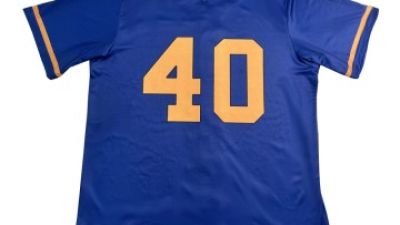
This classic blue and orange baseball jersey delivers a clean, confident look for players and fans alike. Its solid blue body is accented by bold orange script lettering across the chest and a matching number 40 below, creating a traditional team-inspired appearance. The contrast is easy to notice on the field while remaining simple enough for casual wear, school activities, group events, or everyday sports outfits.
Made from lightweight polyester, the jersey helps move moisture away from the skin and dries quickly during practices, games, or outdoor activities. The button-front design makes changing convenient, while sublimated graphics are built into the fabric to help preserve the lettering and numbers without cracking or peeling. The relaxed athletic cut allows comfortable movement for throwing, batting, running, and cheering. For a closer fit, choose your regular size; for layering or a looser game-day feel, consider sizing up.
Customization options make this jersey suitable for recreational teams, leagues, school programs, and organized events. Buyers can select different color combinations and add a preferred name, number, or emblem to create a more personal uniform. Youth and adult sizes are available, but checking the measurement chart before ordering is recommended, especially when buying for a group. Consider chest width, jersey length, and sleeve room to find a fit that feels comfortable without appearing oversized.
FAQS
North America has strong demand from organized leagues and training programs. Asia-Pacific combines growing participation with concentrated manufacturing capacity. Europe often serves smaller, fragmented club systems. Latin America supports amateur programs and development academies. Regional strength varies by factory.
Inspect fabric weight, seam strength, moisture control, and size consistency. Check the uniform after repeated washing. A sharp-looking garment may still shrink or split. Request a washed sample. Small flaws become obvious later.
Hot coastal regions usually need fast-drying materials. Synthetic blends often dry faster than cotton-rich fabrics. Cotton can feel softer against the skin. It may retain moisture longer. Comfort and drying speed can conflict.
Baseballs may use leather or synthetic covers. Leather can improve grip but may need conditioning. Rubber or cork centers affect rebound and weight. Thread tension influences balance. Uneven winding can change the ball’s flight.
Request measurements for circumference, weight, compression, seam height, and moisture resistance. Ask for material batch records and production dates. Inspect stitching by hand. Digital tools reduce errors, but they do not replace judgment. Data matters.
Build a comparison sheet for quality, testing, communication, payment terms, and delivery reliability. Use at least three samples per supplier. Compare landed cost, not unit price alone. Cheap quotes may hide thinner materials or shipping charges. I might overvalue catalogs without noticing.
Confirm monthly capacity, minimum order quantity, and realistic lead times. Ask for current production schedules. Port handling may add several weeks. Request pre-production samples and pre-shipment inspections. Do not trust a perfect promise.
Traceability connects defects to material batches and production dates. Corrective-action records show how problems were handled. Storage humidity can affect a ball’s core. Temperature may change leather stiffness. Quality control is never perfectly clean.
Conclusion
The global Baseball industry includes a wide range of manufacturers and suppliers producing equipment for training, competition, recreation, and professional use. Key product categories include baseballs, bats, gloves, helmets, protective gear, bases, uniforms, and practice accessories, each designed to support player safety, performance, and game consistency. Manufacturers across different regions contribute specialized production capabilities, while international suppliers and distribution networks help make these products available to teams, schools, retailers, and individual players.
Materials, production technology, and quality control are essential factors in baseball equipment manufacturing. Durable leather or synthetic covers, carefully engineered bat materials, impact-resistant protective components, and reliable stitching all affect product performance. When comparing manufacturers and suppliers, buyers should consider product quality, safety testing, customization options, production capacity, delivery reliability, pricing, and customer support. A trustworthy supplier should provide consistent specifications, transparent communication, and products that meet recognized industry standards and practical playing needs.