Leave Your Message
0%

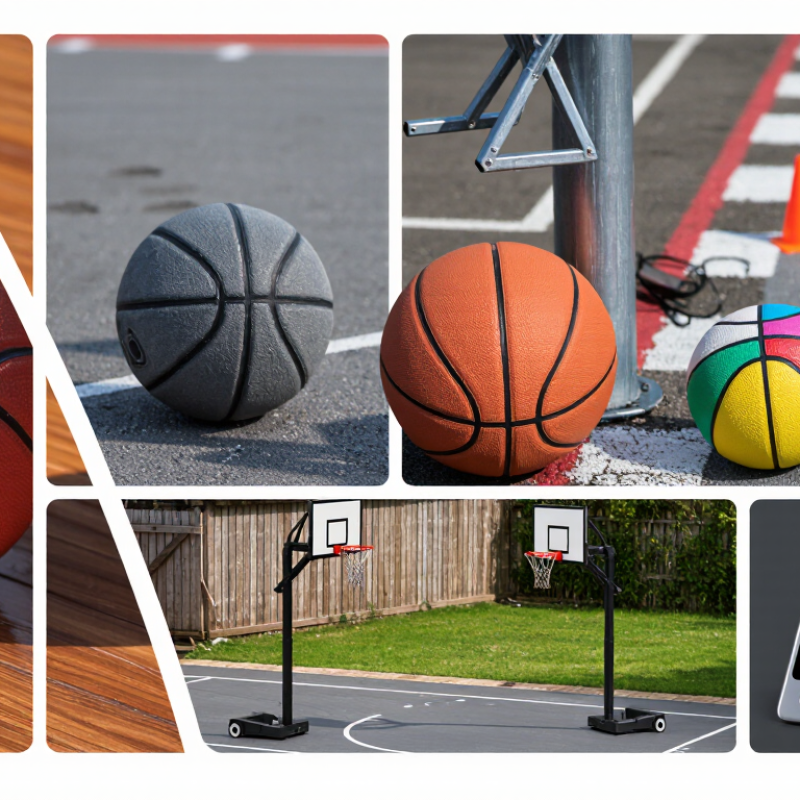
Basketball today isn’t just a one-size-fits-all product for global buyers. It’s become a whole category of different kinds—think indoor game balls, outdoor composite balls, rubber street balls, youth sizes, training models, and even connected equipment. According to FIBA’s Global Basketball Report 2023, over 610 million people aged six and up play basketball around the world. That’s a huge demand, but it doesn’t mean every market needs the same exact product or guarantees top performance everywhere.

When it comes to surfaces, that’s where things really matter. Indoor players usually look for real leather feel, a steady grip, and a predictable bounce. On the flip side, outdoor players want durable rubber channels and really tough resistance to wear and tear. Kids’ programs typically go for size 5 balls, while pros tend to use size 7. The market outlook from Grand View Research says the global basketball equipment scene will keep growing steadily through 2030—thanks to schools, fitness groups, and organized leagues. But, just a heads-up, market forecasts aren’t a perfect blueprints for purchasing. They often overlook stuff like humidity, shipping conditions, local coaching habits, or how often you’ll need to replace your gear.

This guide covers the types of basketball equipment that are most relevant for sourcing around 2026. It also dives into things like basketball jerseys, training aids, portable hoops, and smart tech for performance tracking. When you’re ready to buy in bulk, make sure you compare material specs, check certifications, read warranty details, and look at feedback from samples. The little things matter—a ball that feels great indoors might not grip the same way on a hot outdoor court. Always test before you buy in big quantities; assumptions can lead you off track.

Remember, what’s on this list isn’t set in stone. Rankings can be a bit subjective since different regions prioritize different features. While data is super helpful, nothing beats hands-on testing. The best choice is one that balances the type of surface you’re playing on, the age of users, climate, your budget, and how often you’ll need to replace the ball or equipment.
2026 Top Basketball Types for Global Buyers?

FIBA Size 7 Basketballs: Men’s 5-on-5 Standard (FIBA Rules 2024)

For global buyers, the FIBA size 7 basketball remains the standard choice for men’s 5-on-5 play under the 2024 FIBA rules. It measures about 75–78 centimetres in circumference and weighs approximately 600–650 grams. These dimensions affect passing speed, shooting control, and player handling. A smaller ball may feel easier, but it does not reproduce the required match experience.

Material selection matters during procurement. A leather-like composite surface usually offers reliable indoor grip, while rubber covers can better tolerate outdoor courts. Buyers should check roundness, air retention, valve quality, and bounce consistency across several samples. In practical gym testing, a ball should rebound evenly from a clean hardwood floor and remain controllable after repeated use. Small differences become obvious during fast transitions.

Do not trust printed specifications alone. A ball can meet size requirements and still feel slippery, overly firm, or poorly balanced. That is an easy mistake. for men basketball top searches may identify suitable products, but professional buyers should request test data and sample units first. Coaches often notice grip changes caused by dust, sweat, or humidity, especially during long sessions. Packaging also needs protection against pressure loss during international shipping. I would reassess any purchase based only on appearance, because durability claims sometimes exceed real court performance.

FIBA Size 6 Basketballs: Women’s, Youth, and 3x3 Use (FIBA Rules 2024)

The 2026 global basketball market increasingly favors versatile FIBA size 6 basketballs. They serve women’s competitions, youth development, and many 3x3 programs. Under FIBA Rules 2024, size 6 generally measures 724–737 millimeters in circumference. Its typical weight is 510–550 grams.

For women’s play, this size supports reliable control, passing, and shooting without excessive hand strain. Youth buyers should check local age-group rules before ordering. Training needs may differ from official game requirements. A softer composite cover can help beginners grip the ball during indoor practice. For outdoor use, buyers should request stronger surface resistance and deeper channel definition.

In 3x3 basketball, size requirements need closer attention. Official 3x3 specifications use size 6 circumference with a heavier size 7 weight profile. Procurement teams should confirm the event handbook before approving production samples. Ask suppliers for circumference, weight, rebound height, bladder retention, and panel-bonding test records. Natural rubber may improve outdoor resilience, but it can feel less refined indoors. That trade-off matters.

Quality checks often miss inflation consistency. I have found that two balls from one shipment can feel noticeably different. Sampling several pieces is wiser than approving one attractive sample. Also inspect valve alignment, printed markings, and surface wear after repeated court contact. These details affect player confidence, even when the ball technically meets the stated size.

2026 Top Basketball Types for Global Buyers? - FIBA Size 6 Basketballs: Women’s, Youth, and 3x3 Use (FIBA Rules 2024)

Basketball Type Primary Use FIBA 2024 Classification Circumference Weight Recommended Buyer Segment Key Purchasing Considerations
Women’s 5-on-5 Size 6 Basketball Women’s senior and female junior 5-on-5 basketball Standard FIBA women’s competition ball 724–737 mm 510–550 g Women’s leagues, schools, clubs, training centers, and sporting-goods distributors Check FIBA approval where required; specify indoor or indoor/outdoor construction, cover material, grip, air retention, and channel durability.
Youth Size 6 Basketball Older youth, junior development, and age groups assigned Size 6 by the local competition authority Size 6 dimensions; youth rules are not universally identical across countries or age groups 724–737 mm when manufactured to the FIBA Size 6 range 510–550 g when manufactured to the FIBA Size 6 range Youth academies, schools, community programs, junior clubs, and family recreation Confirm the target country’s age-category rules before ordering; prioritize softer handling, consistent bounce, moderate grip, and durable outdoor options.
FIBA 3x3 Competition Basketball Official 3x3 basketball for men’s, women’s, and youth 3x3 events FIBA 3x3 ball: Size 6 circumference with Size 7 weight 720–740 mm 580–620 g 3x3 tournament organizers, federations, clubs, schools, and outdoor-court operators Do not substitute a standard women’s Size 6 ball; verify the 3x3 circumference-weight combination, outdoor durability, dust grip, and FIBA event requirements.
Size 6 Indoor Training Ball Skill development, shooting practice, team training, and indoor recreation FIBA Size 6 dimensions may be used; formal approval is separate from dimensional compliance Target range: 724–737 mm Target range: 510–550 g Training facilities, schools, clubs, sports retailers, and institutional buyers Select a microfiber or composite-leather cover for indoor grip; request bounce consistency, roundness tolerance, valve quality, and carton-packaging details.
Size 6 Indoor/Outdoor Basketball Mixed-use training, school courts, driveways, parks, and community facilities Size 6 format; competition acceptance depends on the event organizer Target range: 724–737 mm Target range: 510–550 g General sporting-goods importers, schools, municipal programs, and recreational buyers Prioritize abrasion resistance, all-weather grip, reinforced channels, butyl bladder performance, and clear indoor/outdoor usage labeling.
Technical note: Standard FIBA Size 6 specifications are generally 724–737 mm in circumference and 510–550 g in weight. Under FIBA 3x3 rules, the ball uses a Size 6 circumference but a Size 7 weight range of 580–620 g and a circumference range of 720–740 mm. Youth equipment requirements can vary by national federation, league, school system, and age category.

FIBA Size 5 Youth Basketballs: Junior Specifications (FIBA Rules 2024)

For global buyers, a size 5 basketball suits many junior players, especially children developing basic handling skills.

Its typical circumference is 69–71 cm, with a weight of about 470–500 g. These dimensions create a manageable ball for smaller hands. However, FIBA’s 2024 official rules mainly specify size 7 for men’s games and size 6 for women’s games. Size 5 is common in youth and mini-basketball, but local competitions may set different requirements.

In practical testing, check the ball’s roundness, grip, valve, and rebound consistency.
A good youth ball should feel secure on a child’s fingertips, even during outdoor drills. Rubber covers usually tolerate rough courts better, while synthetic leather can provide a softer indoor touch. I have found that printed specifications are not always enough. Some balls lose shape after repeated heat exposure or extended storage. That detail deserves more attention from buyers.

Tips for buyers: Confirm the target age, court surface, and league rules before ordering. Request circumference and weight inspection records. Test several samples for bounce height and air retention. Packaging also matters; compressed storage may affect shape temporarily. Do not assume every “FIBA size 5” label means official FIBA certification. Ask for clear documentation. A careful sample check can prevent costly misunderstandings.

Official 3x3 Basketballs: 72–74 cm and 567–650 g (FIBA 3x3 Rules)

2026 Top Basketball Types for Global Buyers?

For official 3x3 basketballs, size and weight are purchasing essentials. FIBA 3x3 rules specify a circumference of 72–74 cm and a weight of 567–650 g. These figures support quick passes, controlled dribbling, and reliable shooting on a half court. Buyers should request measurement records, not only catalogue descriptions.

Check the ball with a flexible measuring tape. Weigh it on a calibrated digital scale. Test several samples, because one ball may meet the range while another does not. Surface grip also matters on dusty outdoor courts. A textured cover should feel secure without becoming harsh against the fingers. Inflation pressure deserves attention too. Small pressure changes can alter bounce and shooting comfort.

Packaging teams may also coordinate matching apparel, including a sublimation printed basketball jersey for tournament staff or players. Confirm fabric weight, color accuracy, size grading, and wash resistance before bulk production. I have learned that a clean sample can hide inconsistent stitching. That mistake is easy to miss. Global buyers should keep inspection photos, batch numbers, and signed specifications. Rules and event requirements can change, so verify the latest official guidance before shipment. A low price is not proof of suitability. Reliable sourcing needs evidence.

Indoor, Outdoor, and Hybrid Basketballs: Cover Materials and Durability

2026 Top Basketball Types for Global Buyers?

Indoor, outdoor, and hybrid basketballs differ mainly in their cover materials and expected abuse. Indoor balls often use genuine leather or soft composite leather. They feel smooth and develop better grip on clean hardwood. However, leather can harden when stored in dry air or exposed to moisture. Composite covers offer easier maintenance, though their touch may feel less natural.

Outdoor basketballs need rubber or rugged composite covers. Rough concrete quickly cuts shallow channels into soft materials. A deeper pebble texture usually keeps its grip longer. During product checks, buyers should inspect seam strength, valve stability, and surface abrasion after repeated bouncing. A ball that feels excellent on day one may become slippery after several weeks. This happens more often than sellers admit.

Hybrid basketballs combine a durable outer layer with a softer playing surface. They suit schools, training centers, and buyers with mixed indoor and outdoor use. Still, “all-court” does not mean damage-proof. Wiping dust after use and keeping correct air pressure can extend service life. I once preferred a cheaper outdoor ball for daily drills, but its stiff cover caused hand fatigue. That choice looked practical, yet it was not fully considered. For clubs ordering a basketball uniform for clubs/ team, matching ball durability with training frequency prevents unnecessary replacement costs.

Global Buyer Selection: Match Ball Types with Markets, MOQ, and Use Cases

2026 Top Basketball Types for Global Buyers?

Global buyers should match basketball construction with market, MOQ, and use case. FIBA rules recognize size 7 for men’s competition, size 6 for women’s play, and size 5 for younger players. This simple structure supports clearer purchasing decisions.

For professional clubs, choose a size 7 composite or genuine leather ball with stable channel depth.

Schools and community programs often need durable rubber or synthetic covers. Outdoor courts punish soft materials quickly.

Market data also matters. The SFIA 2024 Topline Participation Report recorded about 29.7 million basketball participants in the United States during 2023. That figure suggests strong demand for training balls, youth sizes, and coordinated basketball shorts.

However, one market cannot represent every region. Humid cities, dusty outdoor courts, and limited storage can change the preferred specification. That assumption can fail.

Tips: Test samples on the actual court surface. Check grip after dust exposure and repeated inflation. For new buyers, a smaller MOQ can reduce inventory risk, although unit costs may rise. Request inspection records for circumference, weight, rebound, and valve performance. FIBA’s Official Basketball Rules provide useful reference points, but buyers should confirm local league requirements. A mixed order may work well: size 7 for competition, size 6 for women’s programs, and size 5 for youth training. Keep the first order practical, not perfect.

Custom Men’s Basketball Uniforms: Designing Breathable Jersey Sets for Club Teams

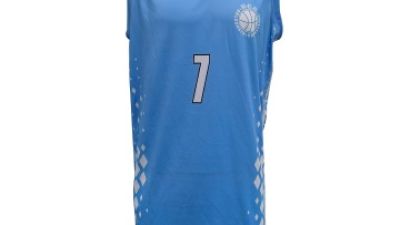
Designing breathable basketball jersey sets for club teams requires careful attention to comfort, mobility, and visual identity. This custom men’s basketball uniform uses premium 100% polyester mesh fabric to promote airflow and reduce moisture during training sessions and competitive games. Its lightweight construction helps players stay comfortable through fast-paced movement, while the sleeveless cut and V-neck design provide unrestricted motion for shooting, passing, defending, and rebounding.

A regular athletic fit accommodates a variety of body types without feeling overly tight or loose. Full sublimation printing allows clubs to create sharp, professional designs with vivid colors, team logos, player names, numbers, and original patterns. Because the artwork becomes part of the fabric, it maintains strong color fastness and resists fading or peeling after repeated washing, helping the uniform remain presentable throughout a demanding season.

OEM and ODM services support flexible customization for club teams, schools, tournaments, training programs, and promotional sportswear projects. Teams can select coordinated colors, sizes, graphics, and numbering details to create matching jersey sets that reflect their identity. Breathable performance fabric combined with personalized design makes the uniform suitable for regular practice, official matches, and organized basketball events.

FAQS

What are the standard measurements for an official 3x3 basketball?

The circumference should measure 72–74 cm. The weight should range from 567–650 g. Check both measurements with reliable tools. Catalogue data alone is not enough.

How should buyers inspect basketball samples?

Use a flexible measuring tape for circumference. Use a calibrated digital scale for weight. Test several balls from different cartons. One sample may pass while another fails.

Which cover material suits indoor basketball courts?

Genuine leather offers a soft, natural touch. Composite leather usually needs less maintenance. Leather may harden in dry air. Moisture can also change its feel.

What makes a basketball suitable for outdoor courts?

Rubber and rugged composite covers handle rough concrete better. A deeper pebble texture can protect grip. Inspect seams, valves, and abrasion marks. Outdoor courts are not gentle.

Are hybrid basketballs truly suitable for every court?

Hybrid balls combine durability with a softer playing surface. They suit schools, training centers, and mixed-use programs. However, “all-court” does not mean damage-proof. That assumption can become expensive.

How do players’ ages and programs affect ball size?

Size 7 commonly suits men’s competition. Size 6 often suits women’s programs. Size 5 works well for younger players. Confirm local competition requirements before ordering.

What should buyers test before placing a large order?

Test grip on the actual court surface. Check rebound after repeated inflation. Inspect valve stability and channel depth. A ball may feel slippery later.

How can buyers reduce purchasing risk?

Start with a smaller MOQ when possible. Unit costs may rise slightly. Keep inspection photos, batch numbers, and signed specifications. A mixed order may be more practical.

Conclusion

This guide explains the main Basketball types that global buyers should consider in 2026. FIBA Size 7 remains the standard choice for men’s 5-on-5 competition, while Size 6 is suitable for women’s games, youth players, and many 3x3 applications. Size 5 basketballs are designed for junior players, offering easier handling and better control. Official 3x3 basketballs follow specific size and weight requirements, with a circumference of 72–74 cm and a weight of 567–650 g.

The article also compares indoor, outdoor, and hybrid basketballs by cover material, grip, weather resistance, and durability. For international purchasing, buyers should match ball specifications with local market preferences, player age groups, competition rules, playing environments, and intended use. MOQ, shipping needs, product consistency, and long-term performance are also important when selecting the most suitable Basketball type for schools, clubs, retailers, training programs, and organized events.
Sophia

Sophia

Sophia is a dedicated marketing professional with a wealth of experience in the sportswear industry. With over 15 years of expertise in producing high-quality athletic apparel, she possesses a deep understanding of the market and the evolving needs of customers. As a vital part of Achieve......
Previous Top Sublimated Lacrosse Shirt Manufacturers Worldwide