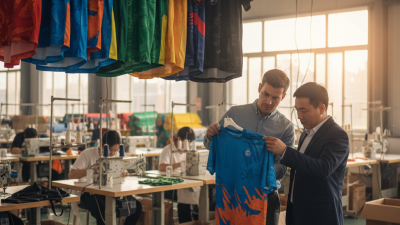
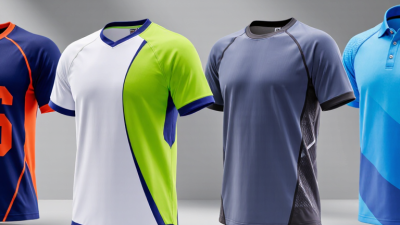
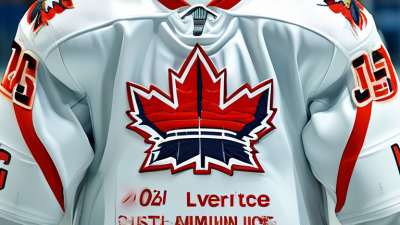
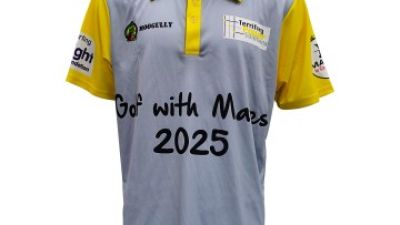
If you're buying lacrosse gear from overseas, picking the right apparel partner isn't just about price tags. Your shirts have to survive a lot—constant motion, endless washes, and those custom team designs. The fabric needs to feel good on the skin but still let players move without restriction. And honestly? Fit is everything.
Honestly, a good manufacturer should be able to walk you through material options, sizing, printing methods, sample approval, and production timelines without all the vague fluff. Before you commit, it’s worth asking them how they check color consistency and review artwork before production kicks off. Getting those details nailed down now can save you from some pretty avoidable headaches later. A solid China ODM Lacrosse Tournament Supplier should be upfront about what you can customize and what order details they need you to confirm. And let's be real—no factory is going to be right for every brief.
Honestly, samples deserve way more attention than people give them. When you're checking one out, don't just look at it—actually wear it or use it normally, and pay close attention to the seams, collar, sleeve shape, fabric weight, and any printed details. It's easy to get excited about a first sample, but it can still totally miss the mark. So when you give feedback, be specific about what's off, and write it down somewhere. That's just part of the process, you know?
Alright, so if you're looking at China-based lacrosse shirt manufacturers, this guide walks you through the stuff that actually matters—communication, product development, quality checks, and how delivery gets planned. I'm not going to pretend the cheapest quote is always the best deal. It isn't. The real trick is figuring out whether a supplier can handle your team's needs, your order size, and your timeline. And honestly, the questions you ask matter a lot more than how polished their sales pitch sounds.
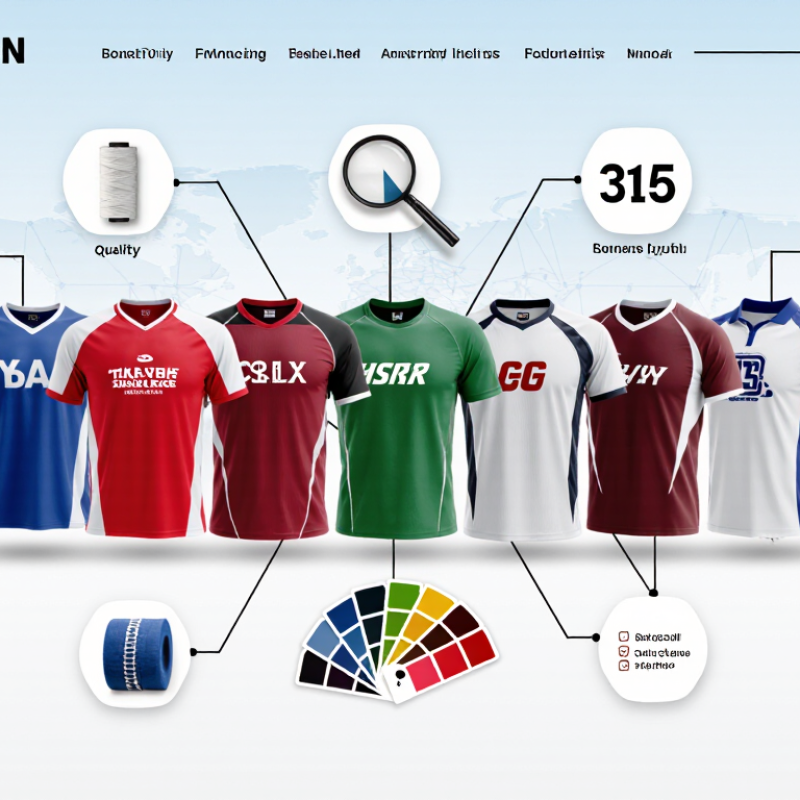
A lacrosse shirt manufacturer in China is defined by more than sewing capacity. It should understand the movement demands of cutting, passing, and repeated contact. Well-placed mesh panels can improve airflow, while reinforced seams help withstand regular practice. Details matter.
A capable team can explain fabric weight, stretch recovery, colorfastness, and print placement in plain terms. Ask for a size set and inspect collar shape, sleeve length, and stitching before approving bulk production. Wash testing is useful too; a bright sample may fade or twist after repeated cycles. Keep written specifications, including tolerances, so later batches can be checked against the approved sample. This step is often skipped, and that is a mistake.
For global buyers, reliable communication and realistic lead times matter as much as unit price. A China OEM Lacrosse Tournament Supplier should confirm material availability, sampling steps, inspection points, and packing details before production begins. Request evidence, such as measurement records or fabric test results, rather than relying on broad claims. Small inconsistencies still happen. A careful manufacturer reports them early and agrees on a correction plan. Buyers should also review capacity during peak seasons; a factory may handle prototypes well but struggle with a large, urgent order.
For global buyers, China’s lacrosse apparel manufacturing sector can support custom designs, team orders, and repeat production. Suppliers may help select lightweight polyester, mesh panels, reinforced seams, and printed or embroidered details. Buyers can share size charts, artwork files, and expected quantities before requesting a sample. A sample makes fit and stitching easier to assess. Small details matter.
Production planning often involves material confirmation, sample approval, size grading, and final inspection. Ask how the supplier checks measurements, color consistency, and seam strength across a batch. Confirm minimum order quantities, lead times, packaging, and shipping responsibilities in writing. Communication can be efficient, but time zones and unclear specifications may cause delays. No process is flawless; allow room for revisions.
Tips: Send a clear tech pack, including garment measurements and placement diagrams. Approve a physical sample before bulk production, and keep written records of changes. Request progress updates at agreed production stages. Don’t rely on assumptions.
A lacrosse shirt needs to handle sprinting, contact, and repeated washing. Lightweight polyester mesh is a common choice because it allows airflow and dries faster than heavy cotton. Some designs add stretch panels under the arms, where players reach and rotate often. Fit matters. A shirt that feels comfortable standing still may pull across the shoulders during a shot.
Construction details affect comfort over a full game. Flat seams can reduce rubbing beneath shoulder pads, while reinforced stitching helps stress points withstand regular use. A ribbed or shaped collar should sit flat without feeling tight. Small details count. Printing and panel placement should also be checked for flexibility, especially around seams and high-movement areas. Not every fabric choice is perfect: a smooth material may feel cool indoors but cling during a humid match. Test samples in motion and after washing.
For buyers comparing suppliers, China ODM Lacrosse Jersey Manufacturers may offer options for fabric weight, mesh zones, sizing, and artwork placement. Ask for material specifications and a sample before confirming an order. Check the shirt with pads, then raise both arms and mimic a pass. That practical check can reveal tight seams or a hem that rides up. It is easy to overlook. A clear measurement chart and consistent quality checks help reduce sizing surprises, though fit can still vary between players.
Lacrosse shirts begin with a clear size range, fabric choice, and pattern. Many teams choose lightweight polyester knit because it dries quickly and holds printed colors well. The fabric is checked for stretch, weight, and surface consistency before cutting. Panels are cut to match the approved pattern, then stitched with reinforced seams around high-movement areas. Small details matter. A crooked collar can affect both comfort and the finished look. Quality checks should include measurements, seam strength, and print alignment, not just a quick visual review.
Customization usually starts with team colors, player names, numbers, and placement diagrams. Sublimation can integrate artwork into the fabric, while applied decoration may suit simpler designs. A China ODM Lacrosse Uniform Manufacturer can develop samples from a buyer’s specifications, but the sample must be checked against the intended fit and fabric feel. A design that looks sharp on screen may appear crowded on a shirt. Allow time to adjust spacing and test color contrast before approving bulk production.
Tips: Send a size chart and artwork files early. Request a physical sample when possible. Check numbers in bright indoor light; subtle color differences can be missed on a monitor. Be ready to revise the first draft.
China Top Lacrosse Shirts Manufacturer for Global Buyers
Quality Standards and Compliance for International Orders
International lacrosse orders need more than a good-looking sample. Buyers should define fabric weight, fit tolerances, stitching, color matching, and labeling before production. Textile Exchange’s Materials Market Report 2024 estimates that global fiber production reached 124 million tonnes in 2023. That scale makes clear material records and traceable batch information useful when verifying supplier claims.
For each shirt, request test results for colorfastness, dimensional change after washing, and seam strength. Ask which test methods and sample sizes were used; a report without these details is hard to assess. ISO 9001 offers a framework for documented quality processes, but certification alone does not prove that every garment meets an order’s specifications. Confirm fiber-content and care-label requirements for the destination market, since rules can differ. A checklist helps, but it cannot replace inspecting production samples.
Tips: Approve a signed reference sample before bulk production. Compare finished shirts against it under consistent lighting, then record any variation. Keep batch IDs, inspection photos, and corrective-action notes with the order file. Allow time for retesting. Small details get missed.
China Top Lacrosse Shirts Manufacturer for Global Buyers
Choosing a Chinese lacrosse shirt supplier takes more than comparing unit prices. Ask for fabric details, including fiber content, weight, stretch, and mesh placement. Then request a sample in the intended size range. Check seam strength, collar shape, number visibility, and whether the fabric feels comfortable during movement. Small details matter. A shirt can look polished on a hanger but fit poorly during play.
Tips: Wash and dry the sample as players would. Inspect color changes, loose threads, and print edges. Ask how the supplier checks sizing and finished pieces. One sample is not proof of consistent production.
Buyers considering a China OEM Adult Lacrosse Jersey Factory should also review communication, production timelines, and order requirements in writing. Share a clear specification sheet with measurements, artwork placement, fabric preferences, and packaging needs. Confirm which details can change after sample approval. If answers are vague, ask specific follow-up questions. Supplier evaluation is not always neat; even a well-made sample may reveal little about a full production run. Request relevant quality records, clarify inspection steps, and agree on how defects will be handled before placing an order.
| Evaluation dimension | What to check | Evidence to request or verify | Practical evaluation guide |
|---|---|---|---|
| Product specification | Confirm the supplier can make the requested shirt construction, fit, sleeve style, collar, colors, and decoration. | Written specification sheet, material details, artwork requirements, and a pre-production sample. | Compare the sample against the approved specification, not just product photos. |
| Fabric and performance claims | Check fiber composition, fabric weight, stretch, surface feel, and any stated moisture-management or quick-drying properties. | Fabric composition and weight information, test reports where relevant, and a physical fabric swatch or sample garment. | Treat performance descriptions as claims until the material or test evidence supports them. |
| Fit and sizing | Review the size range, measurement points, tolerances, and intended fit, such as athletic or relaxed. | Size chart with garment measurements, grading details, and samples in relevant sizes. | Measure samples and compare them with the agreed chart; do not rely only on generic size labels. |
| Decoration and artwork | Establish available decoration methods, placement, color matching, artwork file requirements, and durability expectations. | Decoration sample, placement diagram, approved artwork proof, and care or wash guidance where applicable. | Approve the actual decoration on a sample before authorizing bulk production. |
| Quality control | Ask how materials, measurements, stitching, color, decoration, and finished goods are checked. | Inspection checklist, sample inspection records, defect-handling procedure, and agreed acceptance criteria. | Define acceptable measurements and defects in writing before production begins. |
| Order quantity and capacity | Clarify minimum order quantity, size and color assortment rules, production capacity, and whether repeat orders can follow the same specification. | Written quotation, production plan, and confirmation of order quantities by style, color, and size. | Check that the quoted minimums and capacity fit the buyer's actual assortment and delivery needs. |
| Lead time and communication | Separate sample development, approval, bulk production, and shipping timelines; confirm who manages updates and changes. | Dated schedule, communication contact, and written process for handling revisions or delays. | Use a timeline that identifies approval milestones rather than relying on a single estimated delivery date. |
| Pricing and payment terms | Check what the unit price includes and identify separate charges for samples, artwork, packaging, freight, or other requested services. | Itemized quotation, currency, payment schedule, quotation validity, and stated delivery terms. | Compare quotations on the same specification and shipment basis; clarify exclusions before placing an order. |
| Shipping and export documents | Confirm shipping method, destination responsibilities, packing details, and which export or shipping documents will be provided. | Packing list, commercial invoice, shipping plan, and agreement on responsibilities for transport and import clearance. | Confirm requirements with the buyer's freight provider or customs broker for the destination market. |
| Compliance and traceability | Identify product, chemical, labeling, and packaging requirements that apply in the destination market and to the specific order. | Relevant test reports or declarations, material information, and a clear description of the products and production scope covered. | Verify that documents are current and applicable to the ordered materials and market; requirements vary by destination. |
| Supplier verification | Establish the supplier's legal identity and whether the contracting party is the manufacturer, a trading company, or another intermediary. | Business registration details, contract entity information, factory or production-process information, and consistent contact details. | Check that the entity receiving payment matches the entity named in the contract and verify details independently. |
| Sample and order protection | Agree on sample charges, approval records, specification changes, remedies for confirmed defects, and the process for resolving disputes. | Signed or written sample approval, final specification, purchase order, and clear defect-resolution terms. | Keep approved samples, artwork, and written decisions as references throughout the order. |
Evaluation note: Compare suppliers using the same product specification, quantity, destination, and delivery basis. Confirm market-specific requirements with qualified local advisers where needed.
Sourcing high-performance custom polo shirts from China starts with a clear product brief. Specify the intended event, quantity, delivery date, color, size range, and artwork requirements before contacting manufacturers. For team and racing events, look for lightweight, breathable fabric with moisture-wicking properties to help wearers stay comfortable during long, active days. Ask potential suppliers about fabric composition, available performance finishes, stitching, collar construction, and options for printing or embroidering team and sponsor logos.
Before placing a bulk order, request fabric details, production specifications, and a sample featuring the proposed logo placement. Check the fit, color accuracy, print quality, and comfort, and confirm that the sample matches the final order requirements. It is also useful to ask how the supplier manages quality checks, production timelines, packaging, and shipping, then compare written quotations on the same specifications rather than price alone. Confirm logo files, size breakdowns, and approval steps in writing to reduce avoidable delays.
A well-made custom event polo should balance practical performance with a polished appearance. Choose a design that reflects the team’s identity while remaining comfortable for events and casual wear. Working closely with a reliable Chinese manufacturer can help turn those requirements into a consistent, custom-made polo ready for the event.
It should understand movement during cutting, passing, and repeated contact. Mesh panels can improve airflow, while reinforced seams help during practice. Details matter.
Ask about fiber content, fabric weight, stretch recovery, and surface consistency. Lightweight polyester knit often dries quickly. Feel the fabric yourself.
Check collar shape, sleeve length, measurements, seam strength, and print alignment. Try moving in it. A hanger tells little.
Washing can reveal fading, twisting, loose threads, or damaged print edges. Follow the care routine players will use. Small changes count.
Send team colors, names, numbers, artwork, and placement diagrams early. Check number visibility in bright indoor light. Screens can mislead.
Share a size chart and request samples across the intended size range. Compare measurements against written tolerances. One sample is not proof.
Confirm material availability, lead times, inspection steps, packing details, and defect handling in writing. Ask how approved details will be maintained.
No. A sample may not represent every finished shirt. Request measurement records and quality checks, especially for larger orders. This still leaves some uncertainty.
China’s lacrosse shirt manufacturing sector serves global buyers with production capabilities ranging from standard team apparel to customized orders. A reliable manufacturer combines textile sourcing, garment construction, printing, and embroidery expertise with the flexibility to meet different team, tournament, and retail requirements. Lacrosse shirts are commonly designed with lightweight, breathable, moisture-managing fabrics and durable seams to support comfort and movement during play. Buyers can discuss fit, colors, sizing, logos, and other design details before production, while sample approval helps confirm the final specifications.
For international orders, manufacturers should provide clear information about materials, production timelines, inspection procedures, and applicable quality and safety requirements. Global buyers can compare suppliers by reviewing samples, assessing communication and customization options, confirming minimum order quantities, and checking how quality is monitored throughout production. Careful evaluation helps buyers select a dependable partner and receive consistent lacrosse apparel suited to their market.