Looking ahead to 2026, sport shirt trends are changing pretty fast. People are really craving fresh designs and more eco-friendly materials these days. Brands are diving into smart fabrics that boost performance—something that’s a game-changer both for athletes and casual wear fans. It’s a big shift, and honestly, it feels like brands have to keep up or get left behind.
Take the Global Leading Sport Shirt Manufacturer, for example—they’re adjusting to these new trends by actually focusing on more sustainable production methods. Today’s shoppers want comfort, style, and something that works well—so brands are facing the tricky task of balancing good looks with innovation.
Of course, it’s not all sunshine and rainbows. Some brands are struggling to keep pace when it comes to genuine sustainability efforts. Many still aren’t transparent enough about where their materials come from, which raises quite a few eyebrows. All these changes make it really important for us, as consumers, to stay informed when picking out a sport shirt. Knowing what’s trending and understanding the ins and outs can help us make smarter choices in this ever-changing market.

Top Sport Shirt Styles to Watch for in 2026
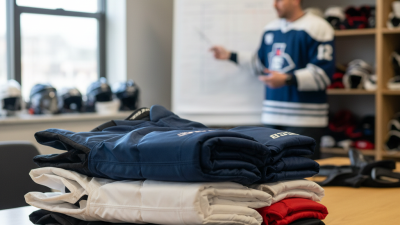
As we look ahead to the sport shirt trends of 2026, certain styles are emerging as frontrunners. Data from industry reports indicate that performance fabrics continue to dominate. These materials offer moisture-wicking and breathability, crucial for active lifestyles. The global activewear market was valued at $353 billion in 2023 and is projected to grow significantly by 2026, reflecting a strong demand for functional sport shirts.
Athleisure remains a powerful trend, blurring the lines between fashion and functionality. In 2023, athleisure accounted for nearly 30% of the apparel market. Sport shirts designed with versatility in mind are proving to be popular. Think of shirts with clean lines and subtle designs that can transition from a workout to casual outings. Minimalist aesthetics are gaining traction, focusing on solid colors and simple patterns, appealing to style-conscious consumers.
Sustainability is an important factor too. Eco-friendly materials and ethical production practices are resonating with the modern buyer. Unfortunately, many brands still struggle with transparency in their supply chains. This gap in information can lead consumers to question the reliability of sustainability claims. As 2026 approaches, brands must bridge this gap to build trust and authenticity within the market.
Top Sport Shirt Trends for 2026
Key Fabric Innovations Driving Sport Shirt Trends
As we approach 2026, the landscape of sport shirts is evolving. Key fabric innovations play a crucial role in this transformation. Look for breathable materials with moisture-wicking properties. These fabrics ensure comfort during intense activities, keeping wearers dry and cool. Lightweight options are gaining traction, making them ideal for all-day wear.
Sustainability is another important factor. Eco-friendly fabrics are becoming essential in modern sport shirt designs. Recycled materials are being used more frequently, demonstrating a shift towards responsible manufacturing. Brands are focusing on reducing their carbon footprint while maintaining quality.
Adapting to newer technologies is also notable. For instance, smart fabrics that react to body temperature are emerging. This technology could redefine how we experience athletic wear. However, this innovation raises questions about durability and care. Will these advanced fabrics withstand regular use over time? Ultimately, as a Global Custom Sport Shirt Manufacturer, the commitment to innovation must balance performance with practicality.
Popular Color Palettes for Sport Shirts in 2026
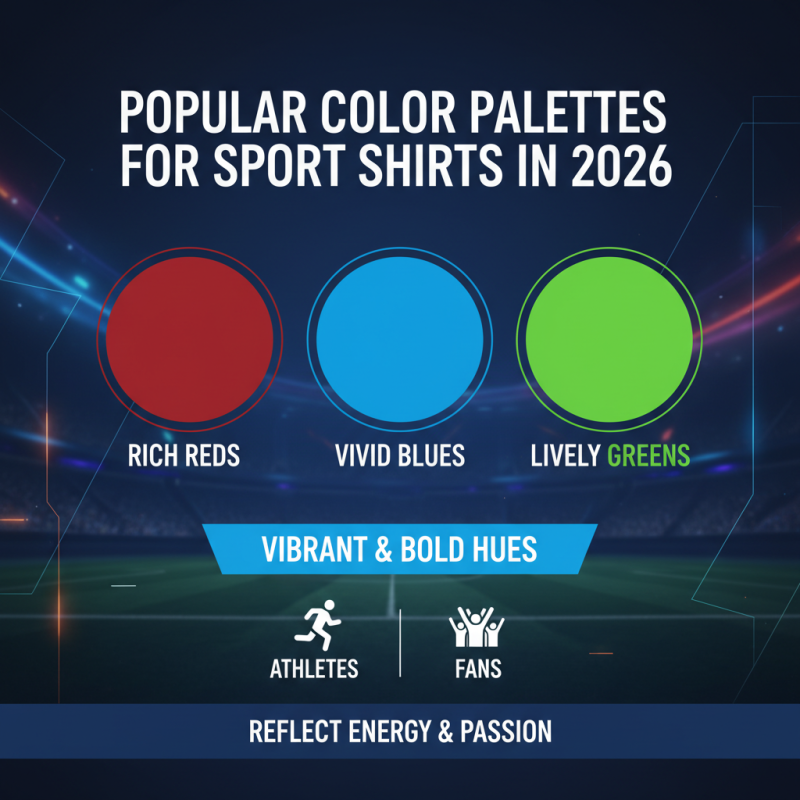
As we look ahead to 2026, sport shirt trends are evolving. One key element to observe is color palettes. Vibrant, bold hues are making a comeback. Expect to see rich reds, vivid blues, and lively greens. These colors will dominate store shelves and athletic fields alike. They reflect energy and passion, appealing to both athletes and fans.
Pastel shades are also gaining traction. Soft pinks, light blues, and gentle yellows bring a fresh perspective. They offer a nice balance to the vibrant colors. Mixing these tones can create a visually appealing look. The idea here is to be versatile. Layering colors provides depth and intrigue to any outfit.
While trends suggest bright and soft colors, personal style remains important. Not every shade suits every individual. Some might find a bold red overwhelming. Others may feel more at ease in muted tones. It's essential to choose what feels comfortable. Failing to do so could lead to wardrobe regrets. Comfort and confidence should be the ultimate guide in sport shirt choices.
Emerging Sustainability Practices in Sport Shirt Design
Sustainability is reshaping the sport shirt industry. Many High-Quality Sport Shirt Manufacturers are now focusing on eco-friendly materials. Recycled polyester and organic cotton are becoming more common. These fabrics reduce environmental impact significantly. They help alleviate the fashion industry's long-standing issues with waste.
Reusable packaging is another trend gaining traction. Companies are adopting methods to minimize plastic use. This shift reflects a growing awareness among consumers about environmental footprints. It's a positive move, but challenges remain. Not all brands are equipped to make these changes swiftly. Some struggle with sourcing sustainable materials or adapting production methods.
Transparency is vital in this new era. Shoppers want to know where their products come from. They seek out brands that openly share their practices. This demand for information drives sport shirt manufacturers to be more accountable. It also cultivates a culture of responsibility within the industry. While many steps forward are encouraging, continuous improvement is essential. The path towards full sustainability is still a work in progress.
Technological Advancements in Performance Fabrics
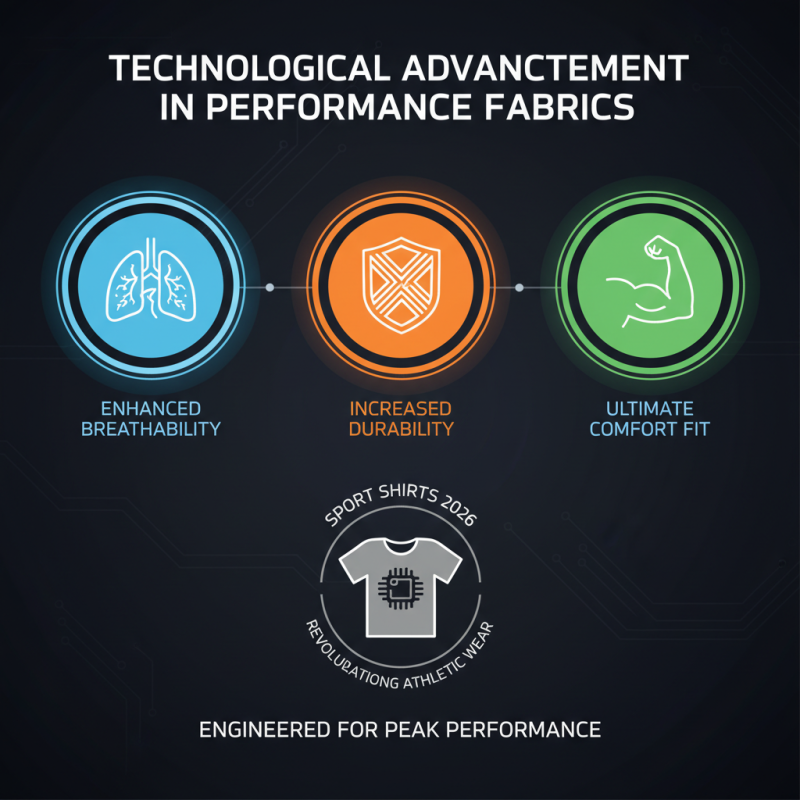
The evolution of performance fabrics is a remarkable trend for sport shirts in 2026. These advancements are changing how athletes and fitness enthusiasts experience their clothing. New materials are being engineered to enhance breathability while maintaining durability. This allows for a comfortable fit even during intense workouts.
Innovative fabrics are now incorporating moisture-wicking technology. This means sweat is pulled away from the skin, reducing discomfort. Fabrics also utilize smart technologies that regulate body temperature. However, these complex materials sometimes come with unexpected challenges. For instance, some users might find them less adaptable to casual wear. Concerns about sustainability also arise as synthetic materials dominate the market.
As the demand for high-performance fabrics grows, manufacturers aim for balance. They must ensure functionality and eco-friendliness simultaneously. This quest can lead to compromises. Some designs may lack aesthetic appeal or versatility. Nonetheless, technological advancements continue to push boundaries, making performance fabrics an exciting area to watch. The future holds promise, but reflections on sustainability and usability remain crucial.
Influence of Athleisure on Sport Shirt Trends
Athleisure has dramatically changed the landscape of sport shirts. This trend seamlessly blends comfort and style, making sports apparel suitable for both workouts and casual outings. Designers are focusing on performance fabrics that wick away moisture while maintaining a sleek aesthetic. The influence of athleisure has led to an emphasis on versatility, where sport shirts can transition from gym sessions to social gatherings without a hitch.
Younger consumers prioritize style and functionality in their wardrobe choices. Sport shirts now feature bold colors and innovative designs. Many prefer shirts that offer a tailored look while still providing the freedom to move. This shift creates a demand for quality and reliability, making it essential for manufacturers to collaborate with experts for insights. The role of a Global Custom Sport Tournament Supplier is pivotal in meeting the evolving needs of these consumers. They ensure that the latest trends align with performance requirements.
Despite these advancements, some athletes express concerns over the durability of thinner, fashionable fabrics. They worry about wear and tear during intense activities. As athleisure continues to shape sport shirt trends, brands must listen to feedback. Balancing style and function will be key. Understanding the nuanced preferences of consumers ensures their offerings remain relevant.
Cultural Factors Shaping Sport Shirt Fashion for 2026
Cultural influences play a significant role in shaping sport shirt fashion trends for 2026. As global events unfold, cultural identity and heritage become focal points for design. Bright colors, unique patterns, and local symbols are gaining popularity. Designers are drawing inspiration from traditional attire, infusing modern sportswear with cultural significance.
Understanding these cultural factors can help consumers make informed choices. When selecting a sport shirt, consider how it reflects personal values and identity. A shirt should not just be about style; it should tell a story. Look for pieces that resonate with your spirit, whether inspired by your heritage or a culture you admire.
Tip: To stay ahead of the trend, explore local markets. You might find unique designs reflecting cultural richness. Engage with the community and discover regional sports influences. This can enrich your wardrobe and align it with the global trend, especially as the Global Leading Sport Tournament Factory embraces these elements in their forthcoming collections. Keep an open mind and experiment with styles that represent your personal and cultural narrative.
Unleash Your Style with Custom High-Quality Sublimation Sports Polo Shirts: The Ultimate Choice for Athletes and Teams
In today's fast-paced world, athletes and teams are increasingly seeking apparel that combines style, comfort, and performance. Custom high-quality sublimation sports polo shirts have emerged as a top choice for those aiming to enhance their athletic wardrobe. The vibrant color schemes and striking designs cater to the need for individuality, while the functional elements ensure optimum performance during training sessions or competitions. According to industry reports, the global sports apparel market is expected to reach $384.8 billion by 2028, reflecting a growing trend towards customizable and performance-driven clothing.
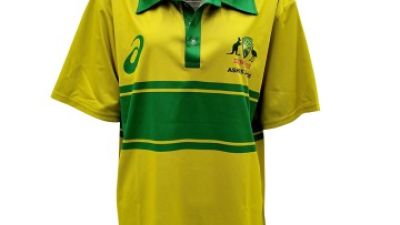
One standout option in the realm of sublimation sports polo shirts is characterized by a bold yellow body with green stripes and a green collar. This eye-catching design not only exudes a sporty aesthetic but also contributes to the wearer's confidence. Constructed from high-quality polyester, the shirt guarantees breathability and lightweight comfort, which is crucial for active pursuits. Studies have shown that breathable fabrics significantly enhance athlete performance, as they help regulate body temperature and moisture. The addition of distinctive branding elements, such as logos, further elevates the shirt's appeal, solidifying team identity and spirit.
Moreover, the longevity and vibrant colors of sublimated garments are essential factors, especially for teams looking to maintain a polished appearance throughout the season. Brands that prioritize high-quality sublimation techniques have reported an increase in customer satisfaction, with colors that resist fading even after multiple washes. This contributes to the overall value and practicality of these shirts, making them a worthwhile investment for both individual athletes and teams alike. As the demand for unique, performance-enhancing apparel continues to rise, custom sublimation sports polo shirts will undoubtedly remain at the forefront of athletic fashion.
FAQS
: Performance fabrics are advanced materials designed for athletic use. They focus on breathability and durability during physical activities.
Moisture-wicking fabrics pull sweat away from the skin. This helps keep athletes dry and comfortable during workouts.
Some users find high-tech fabrics less suitable for casual wear. Adapting them for everyday use can be tricky.
Many sports fabrics are synthetic, which raises environmental concerns. Balancing performance and eco-friendliness is critical but challenging.
Athleisure combines comfort with style, making sport shirts versatile. They are designed for both workouts and casual outings.
Consumers should reflect on personal values and cultural identity. A sport shirt can express more than just style.
Yes, some athletes worry that thinner fabrics may wear down quickly during intense activities. Durability remains a key focus.
Local markets often feature unique designs inspired by cultural heritage. Exploring these can enrich your wardrobe greatly.
Younger consumers prioritize style and functionality. They want sport shirts that look good and allow easy movement.
Listening to feedback helps brands balance style and function. Understanding consumer preferences keeps products relevant and appealing.
Conclusion
As we look forward to 2026, the sport shirt trends are set to evolve significantly, driven by a blend of innovative styles and sustainable practices. Key styles to watch include versatile designs that cater to both athletic and casual settings, emphasizing adaptability in daily wear. The introduction of innovative fabrics enhances performance, ensuring comfort and functionality for active individuals.
Color palettes for sport shirts are becoming bolder and more diverse, reflecting contemporary tastes while remaining aligned with environmental concerns. Sustainability practices in design are gaining traction, with a focus on eco-friendly materials and production methods. Additionally, technological advancements in performance fabrics promise to revolutionize comfort, breathability, and durability. As athleisure continues to influence fashion choices, cultural factors also play a significant role in shaping the direction of sport shirt designs, making them not just functional, but also a statement of personal style.