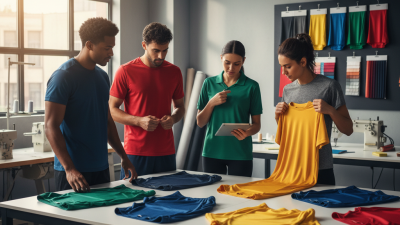
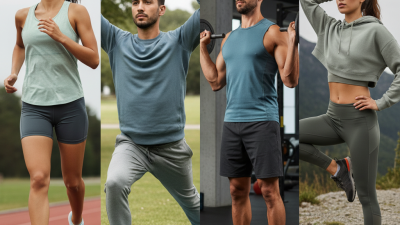
The world of sportswear is changing really quickly — driven by new innovations and what consumers want. I recently came across a report from Grand View Research that estimates the global sports apparel market will hit around $208.8 billion by 2026. That’s a huge jump, and it kind of shows how people are leaning towards gear that’s not just functional but also stylish and eco-friendly. As David Hargreaves, from the top sportswear company put it, “Athletes and everyday folks are looking for stuff that not only performs well but also makes a statement style-wise.”
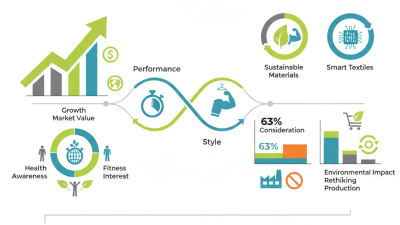
Right now, the buzz is all about sustainable materials and smart fabrics that boost performance. More brands are jumping on the recycled materials train, catering to consumers who care about the environment. But honestly, some brands are kind of lagging behind—they’re still using old-school materials that just don’t cut it anymore.
As the industry keeps evolving, it’s super important for brands to keep up with these trends. The competition out there is intense, and if you want to stay relevant, you’ve gotta keep innovating. It’s all about embracing change and really understanding what your customers want. In such a fast-paced market, ignoring these shifts could mean missing out on big opportunities. The future of sportswear looks pretty promising, but it’s gonna take smart moves and some real thinking from everyone involved to get there.
Key Innovations in Sports Apparel for 2023
In 2023, the world of sports apparel is witnessing remarkable innovations. Functionality continues to be a key focus. Fabrics are now engineered for enhanced breathability and moisture-wicking capabilities. Studies indicate that 65% of athletes prioritize comfort and performance in their gear. Customization has emerged as a game changer, allowing individuals to tailor their sportswear to personal preferences. This trend aligns with findings from the
Global Custom Sports Wear Manufacturer market, reflecting a 20% annual growth.
Sustainability remains a critical issue. There's an increasing demand for eco-friendly materials. Many brands are investing in recycled fabrics and sustainable production processes. A report reveals that 75% of consumers prefer brands that emphasize environmental responsibility. However, the challenge is balancing cost with sustainability. Not all innovations are cost-effective. Some may sacrifice quality for trends, leaving consumers wanting.
Wearable technology is another key innovation. Devices embedded in sportswear offer real-time data on performance. This blend of fashion and function is appealing. Yet, the integration of technology can be overwhelming for some users. Concerns about data privacy also arise. These complexities prompt a reflection on how innovation can sometimes complicate user experience. As trends evolve, brands must navigate these issues delicately, ensuring they meet both performance needs and consumer concerns.
Sustainable Materials Shaping the Future of Sports Wear
The rise of sustainable materials in sports wear is transforming the industry. Consumers increasingly seek eco-friendly options. This trend meets both athlete needs and environmental concerns. Recycled plastics and organic fabrics are becoming mainstream. They reduce waste and lower carbon footprints.
Many High-Quality Sports Wear Manufacturers are embracing this change. They prioritize sustainability in their design and production. This commitment often leads to better performance and durability. However, there are challenges. Not all sustainable materials offer the same level of breathability or moisture-wicking properties. It requires innovation and careful testing.
The shift towards sustainability creates an opportunity for brands. They can connect with eco-conscious consumers. Yet, transparency remains vital. Companies must clearly communicate their sourcing practices. Authenticity fosters trust and loyalty. As the landscape evolves, it is essential to maintain a balance between performance and sustainability. The journey is ongoing, and there is much to learn.
The Rise of Athleisure: Fashion Meets Functionality
The athleisure trend has surged in popularity, blending comfort with style. Statistics show that the global athleisure market is projected to reach $257.1 billion by 2024. This growth reflects a shift toward clothing that offers both functionality and fashion. Consumers are no longer choosing between looking good and feeling comfortable; they expect both.
Athleisure includes a variety of styles. From leggings to joggers, this movement supports active lifestyles. People wear these outfits for workouts, casual outings, and even office settings. However, quality remains a concern. Not all products meet performance standards, which can lead to dissatisfaction. Research indicates that 40% of consumers are willing to pay more for sustainable options, highlighting an opportunity for brands to innovate responsibly.
In this evolving landscape, production practices are also critical. For instance, many companies are turning to
China OEM Seamless Yoga Wear Factories for efficient manufacturing.
These factories focus on high-quality, performance-focused designs. However, there are challenges in ensuring ethical labor practices.
As demand for athleisure increases, maintaining transparency in the supply chain is essential. Brands must reflect on their practices and prioritize ethical standards to build lasting consumer trust.
Smart Textiles: Technology Integration in Sports Wear
Smart textiles are revolutionizing the sportswear industry. These advanced materials can adapt based on environmental changes. For instance, fabrics can regulate temperature or wick moisture effectively. In a recent report by Grand View Research, the smart textile market is expected to reach $5.2 billion by 2025. This growth highlights the increasing demand for integrated technology in athletic apparel.
Wearables are a key aspect of this trend. Smart textiles can be woven with sensors to monitor heart rates or track performance metrics. According to a survey by the Consumer Technology Association, 30% of fitness enthusiasts use wearables during workouts. However, the integration is not without flaws. Some users find wearables uncomfortable or difficult to use. The challenge lies in creating seamless designs that enhance comfort while maintaining functionality.
Moreover, innovations from regions like China are notable. Local manufacturers, including China OEM Seamless Yoga Wear Suppliers, are at the forefront. They produce sportswear that combines performance with smart textile applications. Yet, there are concerns about the durability of these materials over time. As the market evolves, brands must address these challenges to meet consumer expectations for both performance and longevity. Balancing technology and comfort remains a critical focus.
Gender-Neutral Designs in Sports Fashion Trends
The rise of gender-neutral designs in sports fashion reflects a significant shift in consumer preferences. A recent report from the Global Apparel Market suggests that the demand for unisex sportswear has increased by about 36% in the last two years. Consumers are now seeking comfort and versatility, driving brands to innovate their collections.
Gender-neutral designs cater to a more diverse audience, moving beyond traditional norms. This trend emphasizes inclusivity and personalization. A study by the Fashion Institute revealed that 52% of consumers prefer brands that offer unisex options. This indicates a critical change in how buyers view gender in fashion, as they prioritize functionality over rigid classifications.
Yet, the trend isn't without challenges. Some brands struggle to effectively market gender-neutral offerings. Misunderstanding target audiences can lead to poorly designed products. Additionally, there's a need for greater education on gender identity and inclusivity within the industry. The push for unisex designs highlights the importance of thoughtful consideration in product development and marketing strategies.
Customization and Personalization in Athletic Gear
In recent years, customization and personalization in athletic gear have gained massive traction. Sports enthusiasts seek apparel that reflects their individuality. Customized gear boosts motivation, providing athletes with a sense of ownership. This trend encourages people to express their unique styles while training or competing.
Athletic brands now offer tools to create tailored designs. Consumers can choose colors, patterns, and even add their names or motivational quotes. This process makes athletic wear not just functional, but deeply personal. Some find joy in designing their equipment. Others, however, feel overwhelmed by the choices. Striking a balance between creativity and practicality can be challenging.
More than just aesthetics, personalization can enhance performance. Well-fitted gear supports comfort, reducing distractions. However, some athletes struggle to find the perfect fit amid the vast options. As brands innovate, they must listen to feedback. Customization should not sacrifice quality. The evolution of personalized athletic wear will shape the future of fitness.
Top 10 Sports Wear Trends You Need to Know Now
This bar chart illustrates the popularity of the top 10 sports wear trends currently making waves in the athletic gear market. Customization leads the way, showcasing a significant interest in personalized athletic apparel, followed by sustainable materials and tech integration, highlighting the evolving preferences of consumers towards innovative and environmentally friendly options.
Bold Colors and Patterns Dominating the Sports Wear Scene
Bold colors and patterns are shaping the sportswear industry in exciting ways. According to a report by Global Industry Analysts, the activewear market is projected to reach $547 billion by 2024. This increase is partly due to consumers seeking vibrant and unique designs. Bright hues and striking patterns grab attention, encouraging wearers to express their individuality.
Research shows that 65% of consumers prefer sportswear in bold colors. These choices often reflect personal style and mood. Patterns like florals, geometrics, and color blocking are trendy. They appeal especially to younger shoppers who value creativity in their attire. However, balancing style with performance remains a challenge. Some activewear still prioritizes function over flair.
Sustainability is another factor impacting color choices. Eco-friendly dyes and materials are becoming more common. This shift allows brands to offer vibrant options without harming the environment. Yet, not all brands are adopting these practices. The push for sustainability raises questions about transparency in production. As consumers demand more, the industry must reflect on its environmental impact while staying fashion-forward.
FAQS
: Key innovations include enhanced breathability, moisture-wicking fabrics, and wearable technology for performance tracking.
Customization allows athletes to express their individuality and enhance motivation through tailored designs.
Balancing cost with eco-friendly materials is a challenge. Not all sustainable options maintain high quality.
Demand for unisex sportswear has risen by 36%, reflecting a shift towards inclusivity and versatility in fashion.
Users may feel overwhelmed by technology integration and worry about data privacy issues linked to wearable devices.
Personalization enhances comfort and performance, but finding the right fit can be overwhelming for some athletes.
Many brands struggle to effectively reach their audience for gender-neutral designs, resulting in poorly marketed products.
About 75% of consumers prefer brands focused on environmental responsibility, pushing brands to adapt their practices.
Feedback helps ensure that customization options do not compromise quality and align with user expectations.
Some consumers find the variety of choices overwhelming, leading to difficulties in making decisions on their designs.
Conclusion
The landscape of Sports Wear is evolving rapidly in 2023, driven by key innovations and emerging trends. Sustainable materials are at the forefront, influencing how brands create eco-friendly athletic apparel that meets consumer demand for ethical practices. Additionally, the rise of athleisure continues to blur the lines between fashion and functionality, making versatile designs more popular among consumers looking for style in their active lifestyles.
Moreover, technology integration in sports apparel has increased with the introduction of smart textiles that enhance performance. Gender-neutral designs are emerging, promoting inclusivity in sports fashion. Customization and personalization options cater to individual preferences, while bold colors and dynamic patterns are dominating the scene, making Sports Wear more visually striking than ever. Together, these trends are reshaping the future of active wear, aligning it closely with modern consumer values and lifestyle needs.