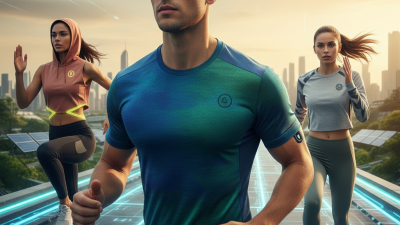
The global market for teamwear is really shifting toward more technical, customized, and demanding options. The 2024 SFIA Topline Participation Report shows that interest in organized sports — like lacrosse and other field activities — is still going strong. This ongoing enthusiasm means there’s a steady demand for durable, personalized uniforms that can keep up with players’ active lifestyles. When it comes to a Sublimated Lacrosse Shirt, it’s not just about how it looks. It needs to stand up to frequent washing, stretching, heat, and contact — so appearance alone just doesn’t cut it.
According to Smithers’ report, *The Future of Digital Textile Printing to 2028*, digital printing is becoming increasingly popular in the textile world. One of its big perks? It allows for small production runs, detailed graphics, and cuts down on waste associated with setup. These advantages are exactly why sublimation remains a go-to for clubs, schools, and pro teams alike. Debbie McKeegan, who founded Texintel and is a well-known expert in digital textile printing, calls this technology “a catalyst for sustainable growth.” That’s a good point, but it’s worth mentioning that sustainability also depends on the fabric you pick, how much energy is used, shipping methods, and overall production controls.
In this guide, we’ll look at some of the top manufacturers of Sublimated Lacrosse Shirts around the world. We’re talking about factors like fabric weight, color accuracy, stitching quality, sizing consistency, how fast they can customize, and their quality checks. We’ll also consider things like how well they communicate, their sample process, certifications, and how transparent they are with their production practices. For example, a China ODM Sublimated Polo Shirt Factory might offer solid customization options at competitive prices, but it’s important to verify if they really have experience with lacrosse gear specifically. Sometimes, a low price quote might hide issues like weak panels, fading ink, or slow restocking.
Remember, rankings can be misleading. Having a shiny, polished sample doesn’t tell the whole story. Trustworthy suppliers will provide detailed specs, photos of their production lines, test results, and clear policies for fixing issues. When comparing quotes, look at the total landed cost—not just the sticker price per unit. The best manufacturers balance flexible design options with consistent, reliable performance. Still, every choice should be carefully reviewed because team needs vary depending on climate, skill level, and budget — so there’s no one-size-fits-all solution.
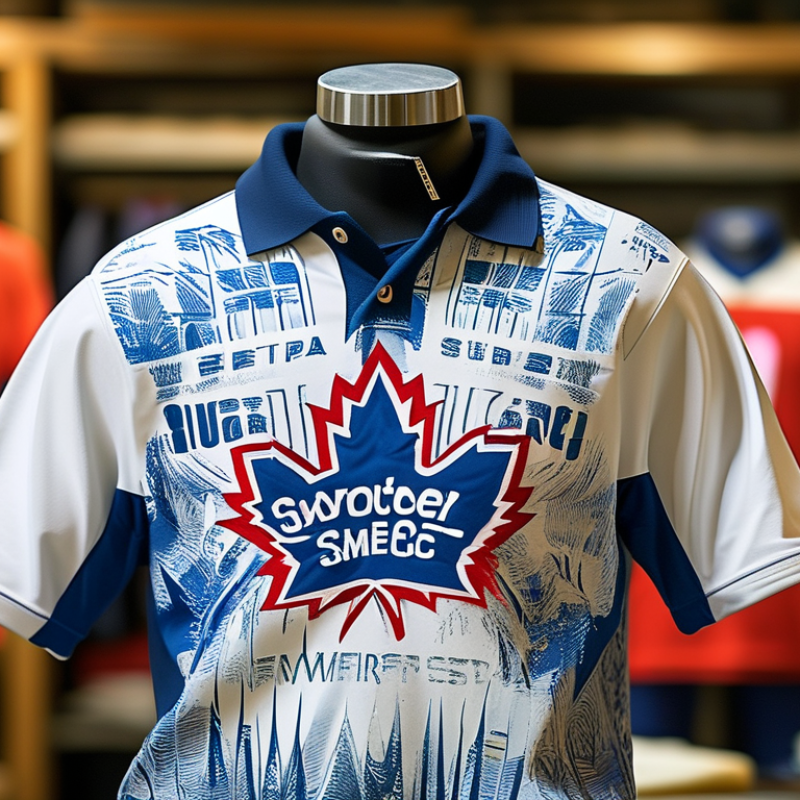
Sublimated lacrosse shirts use heat to transfer dye into polyester fibers. The design becomes part of the fabric, rather than sitting on its surface. This process supports sharp graphics, complex patterns, and lasting color. It also avoids the heavy, rubbery feel common with raised prints.
For players, performance depends on more than appearance. Lightweight polyester helps move sweat away from the skin during intense drills. Breathable mesh panels can improve airflow across the back and underarms. A well-cut shirt should allow full shoulder rotation without pulling at the seams. Reinforced stitching matters around the collar, cuffs, and side panels. Those areas face repeated stretching.
From my experience reviewing team apparel, fabric weight changes comfort more than many buyers expect. A very thin shirt may dry quickly, but it can feel less durable. A heavier fabric may resist wear, yet become uncomfortable in humid weather. No option is perfect. Sample testing remains essential. Check color accuracy, shrinkage, seam strength, and sizing after washing. Buyers comparing China ODM Sublimated Polo Manufacturers should also ask about fabric certificates, production tolerances, and inspection procedures. Clear measurements are more reliable than attractive sample photos. Small inconsistencies can appear between production batches, so written specifications and pre-shipment checks deserve attention.
Evaluating lacrosse shirt manufacturers requires more than comparing catalog photos. A reliable supplier should explain fabric weight, polyester content, sublimation temperature, stitching density, and quality controls. Textile Exchange’s 2024 Materials Market Report states that polyester represented about 57% of global fiber production in 2023. It also reported recycled polyester at roughly 14% of polyester output. These figures make material sourcing worth checking, not assuming.
Request a physical sample before ordering. Examine the collar, sleeve seams, print edges, and inside finishing. Rub the fabric after washing. Colors should remain sharp without bleeding into white areas. Ask for documented wash, abrasion, and colorfastness testing. A High-Quality Sublimated Jersey Supplier should also provide production timelines, minimum order quantities, size tolerances, and a clear replacement policy. The SFIA 2024 Topline Participation Report is useful for understanding sports participation demand, but it cannot verify factory performance. That distinction matters.
Tips: Compare two identical samples under daylight. Ask who performs final inspection. Confirm whether recycled fibers carry recognized certification. Do not trust one perfect photograph. A bright sample can mislead. I would also test a jersey during a full practice, because comfort, sweat control, and seam movement often reveal weaknesses that studio checks miss. Keep a written scorecard for fabric, printing, communication, delivery, and defect handling. One overlooked detail can affect an entire team order.
Sublimated lacrosse shirts are produced across several established textile regions. China offers broad capacity, flexible order quantities, and advanced digital printing equipment. Pakistan is known for sportswear craftsmanship, cut-and-sew skills, and competitive labor costs. Turkey and Portugal provide strong quality control, faster access to European markets, and reliable fabric sourcing. North American manufacturers often support custom team orders, local communication, and shorter domestic delivery times.
Regional strengths can change between factories. A supplier in Eastern Europe may offer excellent stitching but limited color development. A factory in Asia may provide sharper pricing, yet shipping schedules can become less predictable. Production audits should check fabric weight, color accuracy, seam strength, and size consistency. Requesting a physical sample remains essential. Digital images can hide small flaws.
Sublimated lacrosse shirts begin with performance polyester, selected for stretch, moisture control, and color stability. Designers create artwork digitally before testing it on a small fabric panel. This step reveals unexpected color shifts. Dark colors can appear different after heating.
During dye sublimation, heat and pressure turn printed ink into gas. The gas bonds with the polyester fibers instead of sitting on the surface. This produces lightweight graphics that resist peeling and cracking. Experienced manufacturers control temperature, pressure, and dwell time carefully. Small changes can affect sharpness, fabric recovery, and the final hand feel.
Cutting follows the approved pattern, often with automated blades for consistent sizing. Operators then join panels with reinforced stitching around the shoulders, sides, and collar. Some factories use flatlock seams to reduce rubbing during repeated contact. Each shirt should undergo measurements, stretch checks, color reviews, and wash testing. Quality teams also inspect loose threads and uneven seams. Nothing is flawless. A sample may look excellent but feel too warm during extended play. Feedback from athletes should influence fabric weight, ventilation zones, and collar depth. That practical review is easy to skip, yet it often separates attractive apparel from dependable game equipment.
Customization helps teams look organized while supporting comfort during intense play. Experienced manufacturers usually offer full sublimation, allowing names, numbers, logos, and color patterns to become part of the fabric. This method reduces peeling and supports repeated washing. Fit matters. A reliable supplier should provide size charts, player samples, and digital proofs before production. Coaches can compare shoulder width, sleeve length, and body fit under protective equipment.
Teams can request different designs for home, away, goalkeeper, and training shirts. Useful details include reinforced seams, breathable mesh panels, and fabric weights suited to local weather. A manufacturer with strong technical knowledge should explain these choices clearly. Ask about color matching, print durability, minimum order quantities, and delivery schedules. Clear answers matter more than impressive photographs. Small details matter.
Organization needs also vary. Youth clubs may require mixed sizes and flexible reorder options, while larger programs may need consistent designs across several squads. One common mistake is approving artwork without checking how numbers sit on the back. Another is choosing a bright color that becomes difficult to read under stadium lighting. Test it. Request a physical sample when the design includes thin lines, gradients, or complex sponsor-free graphics. Even experienced teams can overlook sleeve tension or collar comfort. That review may feel slow, but it prevents expensive corrections later.
Top Sublimated Lacrosse Shirt Manufacturers Worldwide
Quality starts with the fabric, not the artwork. Textile Exchange’s Materials Market Report 2024 says polyester represented about 57% of global fiber production in 2023. For lacrosse, performance polyester should feel light, resist snags, and dry quickly. Ask for fabric weight, stretch recovery, colorfastness, and a physical wash sample. A bright digital proof proves little. Attractive samples can still fail at the collar.
Pricing changes sharply with quantity. Small runs of 12 to 24 shirts often cost more per unit. Setup, calibration, and packing are spread across fewer pieces. Larger orders can reduce prices. Freight and revision charges may erase the apparent saving. Grand View Research’s 2024 custom T-shirt printing report projects double-digit growth through 2030. It links growth to personalization and faster production demand. That growth does not guarantee low prices. Request a line-item quote, including artwork checks, sample fees, taxes, and delivery.
Minimum orders deserve equal attention. A High-Quality Sublimated Shirts Supplier may accept 10 units. Another may require 25 or 50. Confirm whether mixed sizes count toward the minimum. Ask how reorders use saved artwork. Color matching should be documented. Order two spare shirts for late roster changes. It costs more upfront, but missing a player’s jersey costs more during tournament week.
Choosing a lacrosse shirt manufacturer requires more than comparing unit prices. Check fabric weight, stretch recovery, color accuracy, and stitching quality. A reliable supplier should provide physical samples before accepting bulk production. Examine the collar, sleeve seams, and printed edges under bright light. Small defects often become obvious after repeated washing.
Ask about sublimation equipment, production capacity, minimum order quantities, and quality-control procedures. Request a clear size chart with garment measurements, not only body recommendations. Confirm whether the factory can maintain identical colors across separate orders. This matters when teams reorder mid-season. A written approval sample can prevent costly misunderstandings.
Communication is equally important. Professional manufacturers explain lead times, shipping arrangements, artwork requirements, and possible production risks. Review independent customer feedback, factory certifications, and sample test results where available. A Global Custom Sublimated Hoodie Factory may offer useful production experience, but hoodie expertise does not automatically prove lacrosse quality. Ask for relevant sportswear examples.
Do not chase the cheapest quote. A lower price may hide thinner fabric, weaker thread, or limited inspection. I once underestimated the value of wash testing; the artwork looked perfect initially, but the sizing changed after several cycles. That mistake still matters. Choose a partner willing to discuss problems openly and correct them before shipment.
China offers broad capacity and flexible order quantities. Pakistan provides strong cut-and-sew skills. Turkey and Portugal support European delivery. North American factories often provide local communication and shorter domestic shipping.
Review fabric weight, color accuracy, seam strength, and size consistency. Ask for recent samples and production photos. Photos alone can hide small flaws.
A physical sample reveals color shifts, loose stitching, and poor collar recovery. Digital images may make fabric look smoother than it feels. Always inspect it closely.
Heat and pressure turn ink into gas. The gas bonds with polyester fibers. Graphics resist peeling and cracking. Small temperature changes can affect sharpness.
Performance polyester supports stretch, moisture control, and color stability. Lightweight fabric may feel cooler during long play. However, very thin fabric can reduce durability.
Inspect measurements, stretch recovery, color accuracy, seams, and loose threads. Wash testing is also important. A sample may look excellent but feel too warm.
Reinforced shoulder, side, and collar stitching improves durability. Flatlock seams can reduce rubbing during repeated contact. Collar depth and sleeve tension still need practical testing.
Confirm labels, packaging, design revisions, sampling, and replacement policies. Also check the delivery schedule. Pricing can look attractive until small extra charges appear.
Yes. Wash the shirt several times before approving bulk production. Check color stability, collar recovery, fabric feel, and seam strength. This step is easy to skip.
A Sublimated Lacrosse Shirt is a performance-focused garment created by infusing designs directly into the fabric, producing vivid graphics that resist peeling, cracking, and fading. This article explains the main features of sublimated apparel, including breathable materials, moisture management, flexible construction, durable stitching, and comfortable athletic cuts. It also reviews major production regions and the manufacturing processes commonly used, from digital design and fabric preparation to sublimation printing, cutting, sewing, inspection, and packaging.
Choosing the right manufacturer requires careful evaluation of customization capabilities, color accuracy, sizing options, fabric quality, production capacity, communication, and delivery reliability. Teams and lacrosse organizations should also compare pricing, sample policies, minimum order quantities, artwork support, and quality-control procedures. By balancing performance, design flexibility, budget, and service dependability, buyers can select a manufacturer that delivers consistent, team-ready lacrosse shirts for practices, competitions, and organized events.