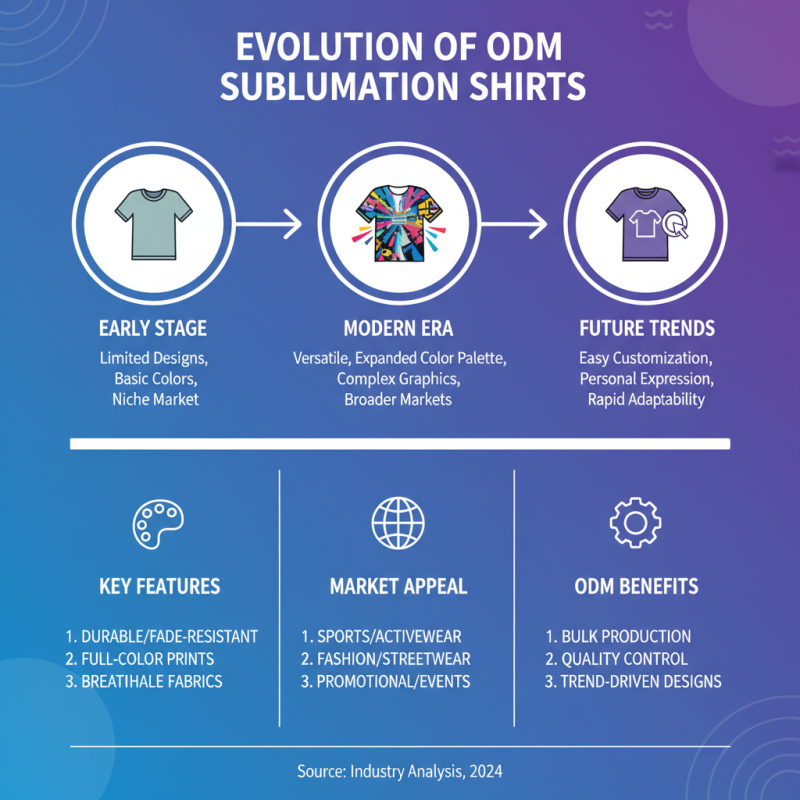
Lately, you've probably noticed that wholesale ODM sublimation shirts are really making a splash in the textile world. Experts like Mark Thompson, who's the big boss over at PrintTech Solutions, keep talking about how efficient they are. I remember him once saying, 'Sublimation shirts give you those unique customization options that just can’t be matched by traditional methods.' That really spots why they’re such a big deal right now.
These shirts aren’t just versatile; they seem to catch the eye of all kinds of folks. The vivid colors and detailed designs—they really make them stand out. But, let’s be honest, it’s not all smooth sailing. There are definitely some hiccups around keeping quality consistent during production. A lot of brands are finding it tricky to hit those high standards all the time.
And then there’s the whole sustainability thing. People are paying more attention to what’s in those materials and whether they’re eco-friendly. As the industry keeps changing, it’s super important for manufacturers to really take these concerns seriously. The road to better practices is still in progress, so I guess we just gotta keep a close eye and hope we see some real improvements down the line.
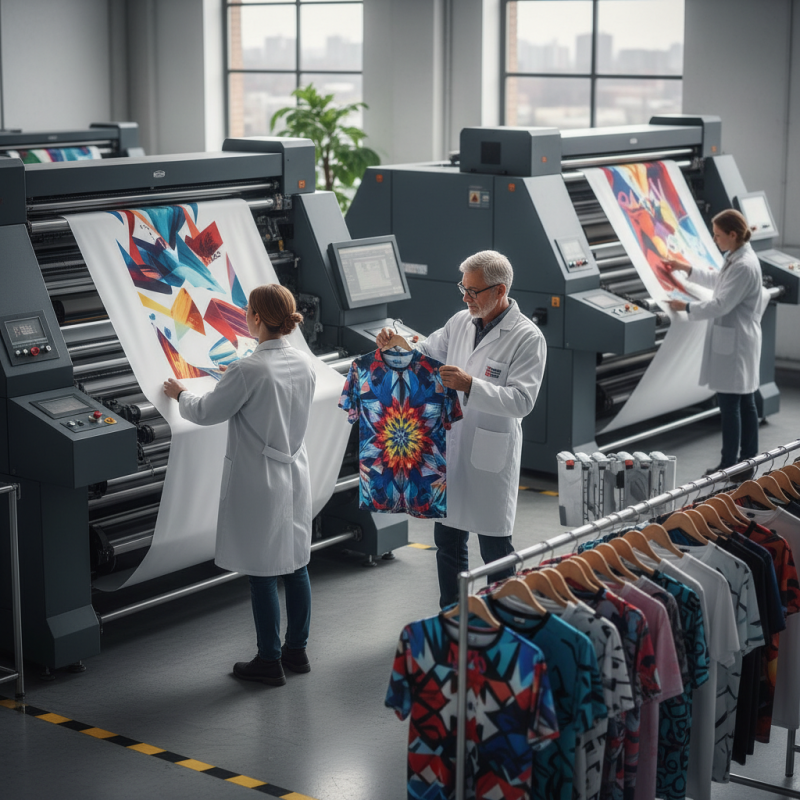
What is Wholesale ODM Sublimation Shirts? An Overview of the Concept
Wholesale ODM (Original Design Manufacturer) sublimation shirts
have gained traction in the apparel industry. These shirts are created through a special dyeing process,
allowing for vibrant colors and intricate designs. According to a recent market report, the global custom
apparel market is projected to reach $10 billion by 2025, highlighting the
growing demand for personalized clothing.
The appeal of wholesale ODM sublimation shirts lies in their cost-effectiveness. Brands can
order in bulk, reducing per-unit costs while maintaining quality. However, there can be challenges.
Sourcing reliable manufacturers is not always easy. A poorly executed shirt can damage a brand’s reputation.
In a market where consumer preferences shift rapidly, slow production can lead to missed opportunities.
Moreover, the environmental impact of sublimation printing raises concerns. The process uses a considerable
amount of water and energy. Companies must find sustainable methods to mitigate this effect. Consumers are
increasingly aware of eco-friendly practices. This is an area needing
reflection and improvement within the industry. It’s crucial for brands to
balance quality, cost, and environmental responsibility
when considering wholesale ODM sublimation shirts.
Market Demand for Custom Apparel: Trends in Sublimation Printing
The custom apparel market is evolving. Recent reports indicate that
sublimation printing is gaining traction. The global market for
custom apparel is projected to reach approximately $400 billion by 2025. This growth reflects
increasing consumer demand for unique clothing options.
Sublimation printing offers vibrant colors and durability. It allows
for intricate designs that do not fade over time. According to industry analyses, around 30%
of apparel consumers prioritize personalized products. This trend highlights the significance of offering
various choices in styles and designs.
However, challenges persist in the sublimation process. Not all fabrics are suitable for this method.
Cotton, for instance, does not yield the same quality
as polyester. Additionally, maintaining cost efficiency
in production can be tricky. Brands must weigh quality against budget constraints. It’s essential
to find the right balance in quality and affordability to capture market share effectively.
Cost-Benefit Analysis: Why Choose Wholesale ODM for Your Business?
In today’s competitive market, businesses seek cost-efficient solutions. Wholesale ODM sublimation shirts can be a smart choice. The ability to customize these shirts offers a significant edge. You can tailor designs to meet customer preferences quickly. This approach saves time and money on production.
Consider these tips when opting for wholesale ODM. First, evaluate your target audience. Understand their fashion preferences or needs. Next, focus on quality. Poorly made shirts can lead to customer dissatisfaction. Ensure your supplier offers good materials. Lastly, be aware of design trends. What’s popular today may not be in six months.
A cost-benefit analysis reveals the importance of choosing wisely. Wholesale options often reduce overhead. You might face challenges in quality control. Stay proactive to address any issues. Build a relationship with your supplier. Frequent communication can help you minimize misunderstandings. Explore versatility in designs, but remember: not all ideas may resonate. Test your concepts before scaling up.
Cost-Benefit Analysis of Wholesale ODM Sublimation Shirts
Quality Control in Wholesale ODM Sublimation Shirts: Best Practices
Quality control is crucial in producing wholesale ODM sublimation shirts. Ensuring consistent quality helps maintain a positive brand image. Regular inspections during production foster a reliable output. Check the ink quality before applying it to fabric. This step can avoid color fading or running.
Another key practice involves monitoring the printing process closely. Precise temperature and pressure settings are essential for vibrant designs. It’s important to document these settings for every batch. Sometimes, issues arise from overlooked details. Small inconsistencies can impact the overall look of the shirts.
Feedback should not be ignored. Collecting insights from customers reveals potential areas of improvement. This can guide adjustments in future production. Engage with your team to discuss any challenges faced during manufacturing. Reflecting on these experiences often leads to better practices and enhanced results.
Case Studies: Successful Brands Utilizing Sublimation Shirt Solutions
Sublimation shirts have gained popularity among brands looking for effective marketing solutions. They offer vibrant colors and intricate designs that stand out. According to a recent industry report, the global custom apparel market is expected to reach $10 billion by 2025. This growth indicates a rising demand for customized apparel, especially in the sports and fashion sectors.
Many successful brands have turned to sublimation shirt solutions. They appeal to customers who seek unique and personalized items. For example, local sports teams often collaborate with print shops for sublimation shirts. This trend not only boosts team spirit but also generates sales. However, brands should remain mindful of quality control. There are instances where subpar prints led to customer dissatisfaction. It’s essential to maintain consistency in production.
Despite the advantages, sublimation does have limitations. Certain fabrics work better than others for this printing method. Polyester is often preferred, but blending with cotton can affect design quality. Brands must invest in proper training for designers and printers to avoid costly errors. Balancing creativity with technical precision is crucial in this competitive landscape.
Environmental Impact of Sublimation Printing in the Apparel Industry
Sublimation printing has gained popularity in the apparel industry. This method transfers ink onto fabric using heat. The vibrant colors it produces are appealing. However, the environmental impact often goes unnoticed.
Dyes used in sublimation can release harmful chemicals. These chemicals can affect air and water quality. While the process may seem efficient, it presents challenges. For instance, the energy consumption during production is significant. Many producers overlook this factor.
Sustainability should be a major concern. Finding alternatives, like eco-friendly inks, is essential. Not all brands are aware of their waste. Unused fabric and chemical runoff can harm nearby ecosystems. A shift toward more responsible practices is needed. The path to a greener production line requires reflection and action.
Conclusion
Wholesale ODM sublimation shirts represent a growing trend in the custom apparel market, characterized by their vibrant designs and personalized options. This article provides an overview of sublimation shirts, highlighting the increasing market demand for customized clothing driven by consumer preferences for unique and high-quality apparel. A cost-benefit analysis reveals why businesses might opt for wholesale ODM solutions, emphasizing the potential for increased profitability and efficiency.
Quality control is crucial in ensuring the durability and aesthetic appeal of sublimation shirts, with best practices outlined to maintain high standards. Additionally, the discussion includes case studies of successful brands that have effectively utilized sublimation shirt solutions, showcasing the advantages of this printing method. The environmental impact of sublimation printing is also considered, reflecting a growing awareness of sustainable practices in the apparel industry. Looking ahead, the article predicts the evolution of wholesale ODM sublimation shirts, suggesting an exciting future for this innovative product category.