Leave Your Message
0%

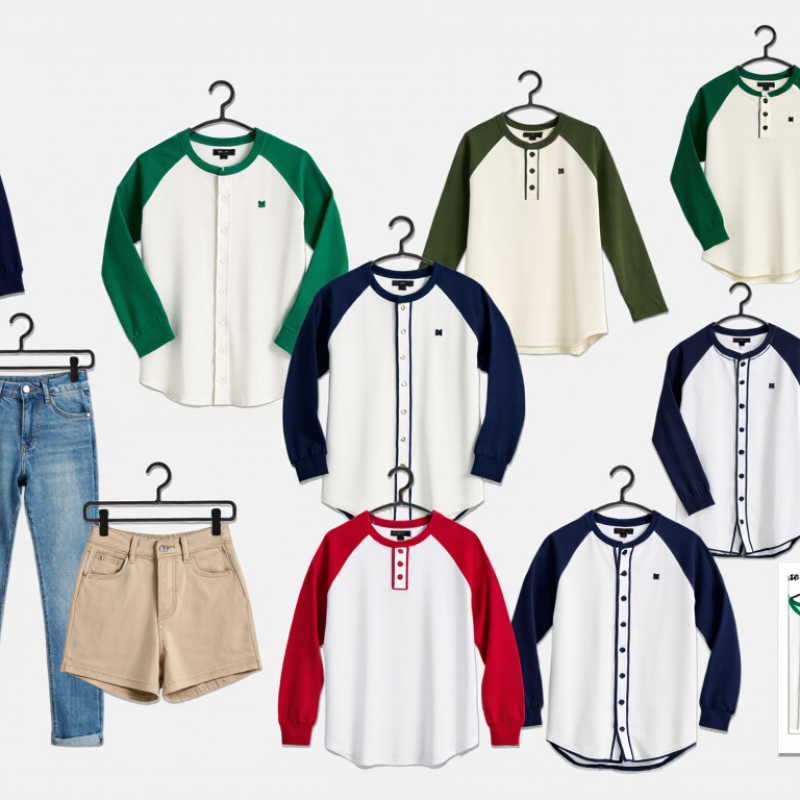
Baseball shirts are pretty easy to spot, but their charm goes beyond just the classic sleeves and button-up front. You know, a Baseball Shirt can totally have that sporty vibe without looking like you're about to hit the baseball diamond. The contrast-color sleeves give it a little extra pop visually, and the relaxed fit makes it super versatile — whether you're pairing it with jeans, shorts, or just a simple skirt. Little details really matter here: a soft collar, neat stitching, and fabric that feels nice against your skin can turn a shirt from something you wear once into a wardrobe staple you'll reach for all the time.

It’s also got this cool cultural edge. Fans might sport team-inspired designs at games, while others might go for plain versions to keep things casual. That kind of flexibility is probably why it’s still so popular in stores and streetwear alike. But just because something’s trendy doesn’t mean it’s high quality. Thin fabric can lose its shape pretty quick, and oversized lettering might start to look a bit outdated sooner than you’d think. So always check the fiber content, sizing, and care instructions before you buy. A good-quality shirt should fit well and feel right for you, not just follow the latest fad.

For brands looking to come up with their own designs, working with a [China OEM Baseball T-Shirt Manufacturer](https://www.szachieve.com/china-oem-baseball-t-shirt-manufacturer-product) can open up options for fabrics, colors, and custom details. Just make sure to review samples, check sizing charts, and go through the production specs — don’t rely only on the product photos. There’s no one perfect version. The best fit really depends on your size, climate, budget, and how often you actually wear it. So, it’s worth giving that some thought.
Why Are Baseball Shirts So Popular?

The Origins and Evolution of the Baseball Shirt

The baseball shirt began as practical sportswear, not a fashion concept. Players needed durable clothing that allowed throwing, running, and sliding. Early uniforms often used wool, buttons, and sturdy construction. The familiar raglan sleeve extends diagonally from collar to underarm, giving the shoulders room to move. Details varied by era. The history is not perfectly tidy.

As sportswear changed, lighter cotton and blended fabrics made baseball-inspired shirts easier to wear off the field. Contrasting sleeves and a simple body kept a clear link to the game, while softer knits suited everyday use. Three-quarter sleeves became a recognizable style, though not every baseball shirt follows that design. Some have full-length sleeves or button fronts. It is easy to reduce the style to its sleeves, but that misses its history. Its appeal also comes from the relaxed shape and visible sporting roots.

Tips: Check fabric weight, seam finish, and sleeve construction before buying. High-Quality Baseball T-Shirt Suppliers should describe materials and sizing clearly. Compare measurements with a shirt you already own. A printed size label can be misleading; fit often depends on the cut, too.

Key Design Features That Set Baseball Shirts Apart

Baseball shirts stand out through a few practical design choices. Raglan sleeves begin at the neckline and angle toward the underarm, instead of ending at a shoulder seam. This creates the familiar diagonal line and can allow freer movement when reaching or stretching. The sleeve-and-body color contrast adds another clear visual cue. It can look lively, though sometimes a little too bold for a quiet outfit.

Sleeve length matters, too. Three-quarter sleeves give the shirt a sporty feel and leave the wrists uncovered, while short sleeves make it easier to wear in warm weather. A soft cotton or cotton-blend jersey usually drapes comfortably, but fabric weight changes how it feels. Thin cloth may suit summer, yet show creases more readily. Small details matter. Check that the neckline lies flat and the raglan seams feel smooth against the skin.

Construction affects both comfort and how well the shirt holds its shape. For buyers comparing High-Quality Baseball T-Shirt Factories, useful signs include even stitching, aligned sleeve panels, and seams that do not twist after washing. A relaxed cut can feel easy without looking oversized, although fit preferences vary. Not every fit works. Trying the shirt with a light jacket can reveal whether the sleeves bunch or the hem rides up.

How Team Identity Shaped Their Appeal

Baseball shirts turn team identity into something people can wear beyond the ballpark. A team’s colors, lettering, and familiar number styles can signal local pride before anyone says a word. The shirt also carries memories: a sunlit afternoon in the stands, a relative’s old cap, or the crack of a bat from a neighborhood field. It feels personal. Importantly, this meaning does not require a fan to follow every statistic.

Crowds help explain why that shared identity stays visible. Major League Baseball’s published 2024 attendance figures recorded 71,348,366 visits to regular-season games, showing the scale of live connection around the sport. Attendance is not a measure of shirt sales, and it cannot explain every buyer. Still, it shows how many people gather around team rituals. Wearing a shirt can carry that feeling into a school, street, or weekend game. Sometimes, it is simply comfortable clothing. Small detail. The appeal is not only loyalty; it is also belonging, even when that belonging is casual or imperfect.

Tip: Choose a shirt for its colors, fit, and story—not only the latest season. A well-worn one may feel more like yours.

Baseball Shirts Beyond the Ballpark

Baseball shirts have moved well beyond the diamond because their shape feels sporty without demanding a full athletic outfit. The button front, contrast sleeves, and loose cut add structure to simple jeans or shorts. They also work as a light layer over a plain T-shirt. That balance matters.

For everyday wear, fabric and fit make a noticeable difference. A soft cotton blend can feel comfortable during a long walk, while a heavier knit may hold its shape better. Check the sleeve length and shoulder seams; an oversized shirt can look relaxed, but too much fabric may feel awkward. Not always flattering.

The style adapts easily to different routines. Wear one open over a tank for a casual afternoon, or button it with straight-leg trousers for a cleaner look. Small details, such as a curved hem or simple stripes, can change the mood without making the outfit complicated. I sometimes find the sporty look a little too expected, especially with matching athletic pieces. Pairing the shirt with unexpected textures, like canvas or denim, helps—and there is still room to experiment.

The Role of Popular Culture and Fashion

Baseball shirts have moved beyond the ballpark because popular culture made them easy to recognize and easy to wear. Their button-front shape, striped sleeves, and bold lettering appear in films, music videos, and street photography. Viewers see them styled with jeans, skirts, or loose trousers, not only with sports gear. That changes the meaning of the shirt. It can suggest team spirit, nostalgia, or simply a relaxed outfit.

Fashion also rewards pieces that feel familiar but allow personal expression. A fan might wear a shirt over a plain white tee, while someone else prefers it buttoned with sleeves rolled to the elbow. Small choices make the look feel individual. Not every styling works, though. Oversized cuts can feel shapeless, and costume-like details may seem forced outside a stadium.

That tension is worth noticing. The phrase Global Leading Baseball Shirt Factories reflects how production connects this recognizable style with everyday wardrobes, but factory scale alone cannot explain its appeal.

Fabric weight, stitching, and a comfortable fit matter when a shirt is worn for hours, not just photographed. A slightly faded finish can feel more personal, though it may also look worn-out. Fans and fashion followers keep reshaping the shirt, sometimes in ways its original designers may not have expected.

Why Baseball Shirts Remain Popular Today

Why Are Baseball Shirts So Popular?

Why Baseball Shirts Remain Popular Today

Baseball shirts remain popular today because they balance relaxed comfort with a clear athletic shape. In my experience, the curved sleeve seam gives a simple outfit more visual structure. A cotton-blend shirt feels light during afternoon errands and easy to layer on cooler evenings. Its button front also changes the look without requiring formal styling. This adaptability helps it move from local games to classrooms, studios, and casual workplaces. The design feels familiar. That may be its strongest advantage.

Tips: Check the fabric weight before buying, especially in hot weather. Choose breathable fibers and reinforced seams for regular wear. Measure the chest and sleeve length, since loose cuts vary between Global Leading Baseball Shirt Suppliers. Wash printed areas inside out and avoid high heat. I learned this after one favorite shirt lost its shape. Small care mistakes matter.

Modern popularity also comes from personal expression. Players, supporters, and everyday wearers can select contrasting sleeves, quiet colors, or meaningful numbers. However, not every decorative detail improves comfort or durability. Some shirts look impressive online but feel stiff at the collar. A reliable supplier should explain fabric content, sizing, stitching, and return terms clearly. Independent reviews can help, though they are not perfect evidence. Try the shirt in motion. Raise your arms. Notice the fabric. This practical test often reveals more than a polished photograph.

Classic Blue Orange Browns Baseball Jersey: Insights from the MLB Fan Cost Index Report

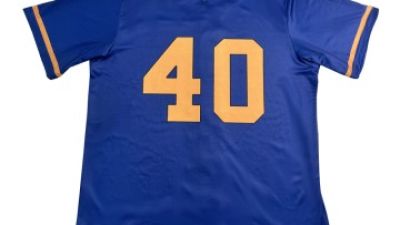
Fan-cost index reports offer a useful way to think about the full price of enjoying baseball, beyond the ticket itself. Travel, food, and team apparel can all affect a household’s game-day budget, so fans may look for comfortable clothing they can wear at the ballpark, at practice, or during casual outings. A classic blue-and-orange baseball jersey brings a recognizable athletic look without needing elaborate styling. Its solid blue body, orange script across the chest, and matching number 40 create a clean, coordinated design that suits both game days and everyday wear.

Made from lightweight polyester, the jersey helps move moisture away from the skin and dries quickly, making it a practical choice for warm days and active play. The button-front closure is easy to put on, while sublimated graphics are designed to remain vivid without cracking through regular use. Personalization options—including alternate colors, names, numbers, and emblems—let teams or groups create a shared look. With youth and adult sizes available, it can work for school activities, recreational leagues, team events, and family outings. When balancing apparel choices against the other costs highlighted in a fan-cost report, a versatile jersey can offer use beyond a single trip to the ballpark.

FAQS

What was the original purpose of a baseball shirt?

It began as practical sportswear for throwing, running, and sliding. Early versions often used wool, buttons, and sturdy construction. Not fashion first.

What does a raglan sleeve look like?

Its seam runs diagonally from the collar to the underarm. This shape gives the shoulders room to move. Details vary.

Do all baseball shirts have three-quarter sleeves?

No. Three-quarter sleeves are recognizable, but some shirts have full-length sleeves or button fronts. The style is broader than one sleeve shape.

Which details should I check before buying one?

Check fabric weight, seam finish, and sleeve construction. Compare its measurements with a shirt you already own. Size labels can mislead.

Why do people wear baseball shirts beyond the ballpark?

Team colors, lettering, and number styles can express local pride. The shirt may also recall a sunny afternoon, an old cap, or a neighborhood field. Or it just feels comfortable.

How has popular culture influenced the shirt’s style?

Films, music videos, and street photography show it with jeans, skirts, and loose trousers. It can suggest nostalgia, team spirit, or a relaxed outfit.

How can I style a baseball shirt casually?

Wear it open over a plain white tee, or button it and roll the sleeves. Fit matters. Oversized cuts can look shapeless.

Does a worn finish always look good?

A slightly faded shirt may feel personal, but it can also look worn-out. That tension is real. Choose what feels comfortable, not merely what looks nostalgic.

Conclusion

Baseball shirts have evolved from practical athletic uniforms into recognizable symbols of sport, teamwork, and casual style. Their button-front design, contrasting sleeves, breathable fabrics, and relaxed fit give them a distinctive appearance that is both comfortable and easy to wear. Team identity has also strengthened their appeal, as colors, numbers, and visual details allow fans and players to express loyalty and belonging.

Today, the Baseball Shirt is no longer limited to the ballpark. It appears in everyday wardrobes, community events, streetwear, and creative fashion because it combines athletic energy with a simple, adaptable design. Popular culture has helped introduce the shirt to wider audiences, while modern styling has made it suitable for different ages and personal tastes. Its lasting popularity comes from this balance of history, comfort, identity, and versatility, allowing the baseball shirt to remain relevant across generations.

Sophia

Sophia

Sophia is a dedicated marketing professional with a wealth of experience in the sportswear industry. With over 15 years of expertise in producing high-quality athletic apparel, she possesses a deep understanding of the market and the evolving needs of customers. As a vital part of Achieve......
Previous Top Baseball Manufacturers and Suppliers Worldwide